Jietai Temple

⭐ 4.20

Jietai Temple, Yongding Town, Mentougou District, Beijing, China
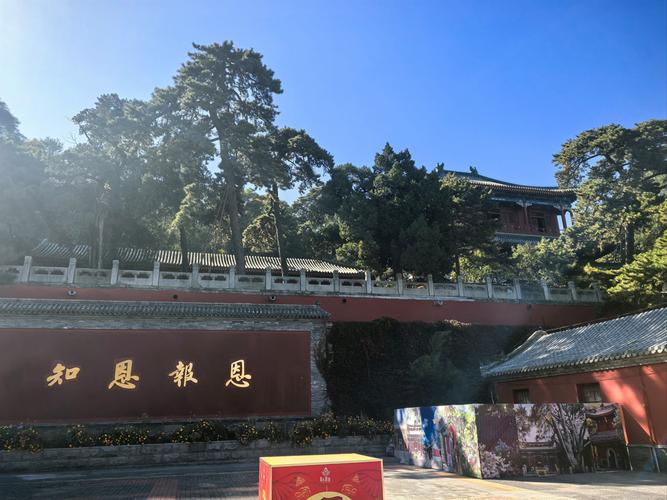
Jietai Temple
Founded during the Sui Emperor's reign (581–600 CE), Jietai Temple—originally named Huiju Monastery and later bestowed the imperial title "Wanshou Chan Temple" during the Ming Dynasty—is both a nationally protected heritage site and a State-AAA-rated scenic area. Its surviving Liao-Jin and Ming-Qing structures, many bearing imperial inscriptions, make it one of Beijing's richest repositories of Liao-era architecture. Contemporary with the rise of Charlemagne's Frankish Empire, the temple stands as a living testament to over a millennium of uninterrupted Buddhist practice in the forested western hills beyond the capital. The temple's crown jewel is the legendary Ordination Platform within the Ordination Hall, an imposing structure of white marble and bluestone rising on a three-tiered Sumeru base. Carved around its circumference are 113 vividly sculpted guardian deities, each rendered in unique expression—a sculptural ensemble rivaling the iconographic ambition of medieval European cathedrals. Above the altar hangs a calligraphy plaque reading "Xuan Fo Chang" (Hall for Selecting Buddhas), personally inscribed by Yuan Shikai, the early-20th-century warlord turned emperor, lending the hall an unexpected layer of political intrigue. The grounds shelter 88 venerable ancient trees, with the celebrated "Ten Famous Pines" drawing visitors much as old cedars draw pilgrims to Lebanon's sacred groves. The Living Pine, Sleeping Dragon Pine, and Pagoda-Embracing Pine each display striking natural forms that have been named and venerated for centuries. In spring and early summer, the Peony Courtyard bursts into bloom, where centuries-old peonies and lilacs fill a classic northern quadrangle styled with the refined touch of Suzhou gardens—a landscape harmony reminiscent of a Chinese answer to the floral courts of the Alhambra. Admission is 45 RMB, with extended hours until 17:00 in spring and summer. Allow two to four hours for a thorough visit. By car, navigate to the Jietai Temple Scenic Area parking lot (roughly one hour from central Beijing); alternatively, take the subway to Pingguoyuan Station and transfer to bus 948 or 931. A vegetarian refectory serves lunch on-site—bring your own water, as some small vendors accept cash only. Begin at the Mountain Gate Hall and proceed through the Heavenly Kings Hall and Great Hero Hall to reach the Ordination Platform Hall, then wind through the grove of ancient pines to the Peony Courtyard—a complete circuit of about two and a half hours. Visitors should dress modestly, refrain from photography inside halls, and maintain respectful silence. Late April through May brings the Lilac and Peony Festival, while September and October offer crisp autumn air and golden foliage. Those with extra time can pair Jietai with a same-day visit to neighboring Tanzhe Temple, together forming the twin spiritual anchors of western Beijing's sacred mountain landscape.

Traveler reviews

The overall experience here was noticeably better than Tanzhe Temple. The ordination platform (Jietai) and the ancient pine trees are the standout features. The grounds are also a bit larger than Tanzhe Temple's, and they serve a vegetarian lunch. There's a mountain path circling the temple outside — with stops for phot...
⭐ 4 · Charlie Brooks Expand
At Jietai Temple's bell courtyard, you can see the morning sun lighting up the China Zun (China), with all of Beijing laid out before your eyes. The temple is home to five famous ancient pines, along with others that are 500, 800, and even over a thousand years old. Inside there's a 500-Arhat Hall, the ordination, and interestingly enough, it's a Buddhist temple that als...
⭐ 5 · Hayden Cruz Expand