Tanzhe Temple

⭐ 4.60

Tanzhe Temple Scenic Area, Tanzhe Temple Town, Mentougou District, Beijing, China
Tanzhe Temple
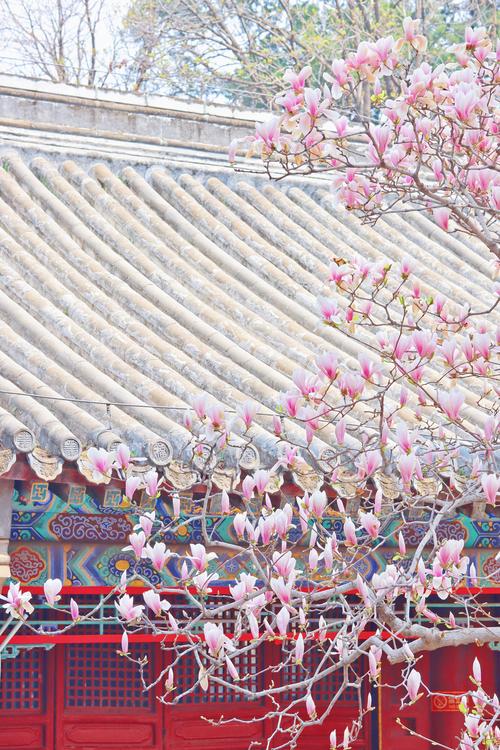
Founded in 307 AD during the Western Jin dynasty—just as Christianity was emerging from Roman persecution in Europe—Tanzhe predates Beijing's construction by some seven centuries. The local proverb "First came Tanzhe, then came Beijing" captures this venerable lineage. While European monasteries like Mont Saint-Michel were still centuries from being built, this temple was already welcoming pilgrims. Emperor Kangxi of the Qing dynasty bestowed upon it the name "Xiuyun Temple," and it earned the popular title of "Imperial Number One Temple" for its status as a favored site of imperial devotion. Built into the slopes of Baozhu Peak and surrounded by nine mountains, the temple's layout mirrors the Forbidden City—earning it the nickname "Mini Forbidden City in the Mountains." Three parallel axes organize its halls: the central axis climbs through the Mountain Gate, Heavenly Kings Hall, and Grand Buddha Hall to the Pilu Pavilion; the eastern axis preserves a Qing royal residence with a "floating cup pavilion" where Qianlong-era scholars recreated the classic game of "winding streams and floating wine cups"; the western axis houses meditation halls. The blend of monumental architecture and natural setting recalls the great monastic complexes of Mount Athos in Greece or the fortified pilgrimage churches of the Carpathians. Tanzhe is a living museum of Chinese Buddhist devotion and imperial patronage. Its most celebrated treasures include the "Imperial Tree," a 30-meter-tall ginkgo planted during the Tang dynasty roughly 1,300 years ago—a sapling when the Western Roman Empire fell. In spring, the "Two Qiao Magnolias," planted in the Ming dynasty, blossom in a rare two-tone pink-and-white display unique to the capital. Don't miss the stone fish outside the Dragon King Hall, which legend says produces five musical notes when struck—a tradition believed to bring blessings to those who tap it with care. Admission is 50 RMB for adults, with discounts for students and seniors. The temple welcomes visitors daily from 8:30 AM to 4:30 PM; allow two to three hours for a thorough visit. Photography is forbidden inside the halls—respect this as you would in an active European cathedral. Always step over thresholds rather than on them, dress modestly covering shoulders and knees, and move quietly near any monks at prayer. Comfortable, non-slip footwear is essential given the many stone steps climbing the mountainside. Each season offers its own magic: spring brings the magnolia blooms, autumn sets the ancient ginkgo ablaze in gold and frames the surrounding peaks in crimson, summer provides a refreshing escape with temperatures noticeably cooler than central Beijing, and winter dusts the eaves in ethereal snow. Driving or taking a taxi is most convenient—about one hour from central Beijing. The 931 bus reaches the temple directly but takes considerably longer. Vegetarian meals are available on-site, offering an authentic taste of monastic "chan" (Zen) cuisine. In a country where Buddhist temples number in the thousands, Tanzhe offers something singular: a chance to walk through 1,700 years of unbroken spiritual continuity in a setting that feels worlds away from modern Beijing. Few places allow visitors to trace the arc from late antiquity through Tang grandeur, Ming refinement, and Qing imperial devotion—all beneath trees that were saplings when Rome fell. It is, quite simply, an essential stop for any traveler seeking to understand the soul of old China.

Traveler reviews

Tanzhe Temple is one of those places I never get tired of visiting, especially in spring when the magnolias and winter jasmines bloom in competition with each other—the spring scenery there is absolutely captivating and makes you want to linger forever. This season draws a lot of visitors to Tanzhe Temple, and the parking lot queue can be q...
⭐ 5 · River Adams Expand
Tan Zhe Temple is surrounded by towering ancient trees and has such a peaceful atmosphere — a perfect escape from the city noise. The architecture is laid out with real care, and you can feel the deep historical roots everywhere you look. ...
⭐ 5 · Alex Morgan Expand