White Cloud Temple

⭐ 4.60

No. 1, Tiantan Dongli, Dongcheng District, Beijing, China
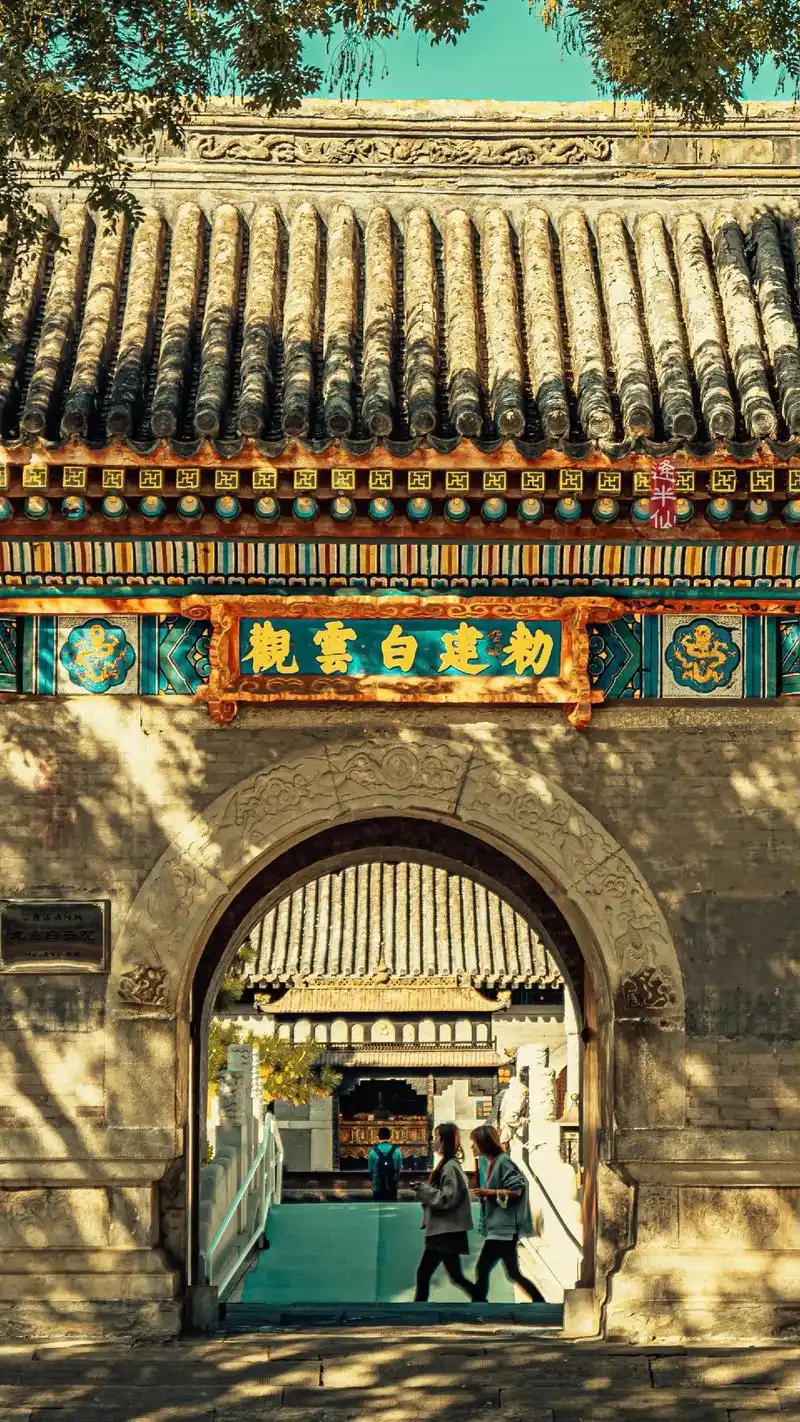
White Cloud Temple
Founded in 741 AD during Emperor Xuanzong's Tang Dynasty, the White Cloud Temple predates the coronation of Charlemagne by nearly six decades, making it one of the oldest continuously active religious sites in the world. The temple rose to prominence in the 12th and 13th centuries when the wandering sage Qiu Chuji established the Dragon Gate sect here. Qiu famously traveled to Afghanistan to meet Genghis Khan, advising the Mongol conqueror on ethics and immortality—a remarkable East-meets-West encounter rivaling Marco Polo's later journey. Today the temple remains the spiritual nerve center of Chinese Taoism and was designated a National Key Cultural Relics site in 2001. The temple complex follows a strict central axis reminiscent of European Benedictine abbeys, with successive halls drawing visitors deeper into sacred space. From the Mountain Gate through the Lingguan Hall, Jade Emperor Hall, and Old Precept Hall, the procession culminates at the Sanqing Hall honoring the Three Pure Ones. The Qiu Ancestral Hall contains the treasured "Qiu Gourd Bowl," a natural-shaped vessel of great antiquity. Most buildings date to the Ming and Qing dynasties (1368-1911), with one notable exception: the green-tiled Lvzu Hall on the western wing, a unique architectural privilege rarely seen in Taoist temples. Beyond its religious function, the temple is beloved for its playful folk traditions. The "Three Monkeys for Fortune"—carved on the eastern gate plinth, western wall, and a stele base—invite visitors to rub each in turn for blessings of fortune, prosperity, and longevity. At Wofeng Bridge, a small wooden bell hangs inside a coin-sized target; toss a coin through to ring it, and prosperity is said to follow. The bronze mule statue in the courtyard was long believed to heal the sick when touched. These living customs transform a solemn pilgrimage site into an interactive cultural playground. Located at No. 9 Baiyunguan Street in Xicheng District, the temple sits just west of Beijing's old inner city walls. Visitors can reach it via Metro Line 2 to Fuxingmen or Fuchengmen, or Line 1 to Nanlishilu, all within a short walk. The temple opens Tuesday through Sunday from 9:00 AM to 5:00 PM, closing Mondays, with last tickets sold at 4:30 PM. Entry is remarkable value at just 10 yuan, with discounts for seniors and children. All visitors pass through airport-style security, modest dress is appreciated, and photography is restricted inside the halls. What makes the White Cloud Temple essential is its rare combination of authenticity and accessibility. Few capital cities offer an active spiritual complex where a 750-year-old sect still conducts rituals within a 1,280-year-old compound, steps from skyscrapers and subway lines. Visit on weekday mornings to avoid crowds; begin with the "Fortune Monkey" at the gate, toss coins at Wofeng Bridge, explore the central halls, then retreat to the Cloud Gathering Garden, a rock-and-pool retreat known as "Little Penglai." Nearby, the 12th-century Tianning Temple Pagoda makes a perfect companion stop.

Traveler reviews

Stepping into Beijing's White Cloud Temple early in the morning, the vermillion mountain gate looks simple yet dignified, with the plaque "Imperial White Cloud Temple" above it radiating a deep sense of history. Ancient cypresses tower throughout the courtyard, and incense curls gently in front of the Sanqing Hall where worshippers kneel devoutly in prayer. Following the central axis, you can see stone steles, a bronze mule, and other artifacts—the mule has been polished to a shine from countless hands touching it, as touching it is said to bring blessings. The small Penglai rockery in t...
⭐ 4 · Quinn Lee Expand
Visiting Beijing's Baiyun Temple (White Cloud Temple) early in the morning was such a peaceful experience. The vermillion mountain gate is so simple and dignified, and the plaque reading "Imperial White Cloud Temple" really gives you a sense of the history here. The ancient cypress trees throughout the courtyard are massive, and in front of the Sanqing Hall, the incense smoke was curling up beautifully while worshippers knelt in devout prayer. Following the central axis, you can spot stone steles, a bronze mule, and other cultural relics along the way. The bronze mule has been polished completely smooth from all the touching — there's a tradition that rubbing it brings good fortun...
⭐ 4 · Hayden Cruz Expand