Longyan Cultural Center
⭐ 3.50
Dongxiao Street, Xinluo District, Longyan City, Fujian Province, China
 The Hakka people, often called "the Jews of the East" for their centuries-long migrations across southern China, have shaped Longyan's identity since the Tang dynasty. This center serves as a guardian of their living traditions, particularly Minxi-branch Shifan music—an ensemble tradition dating back over 300 years—and puppet theater that traces its roots to folk performance arts once popular across rural Europe. As one of Fujian's leading regional cultural institutions, it plays a role comparable to a municipal folk museum in Tuscany or Galicia, preserving endangered vernacular arts while introducing them to new audiences.
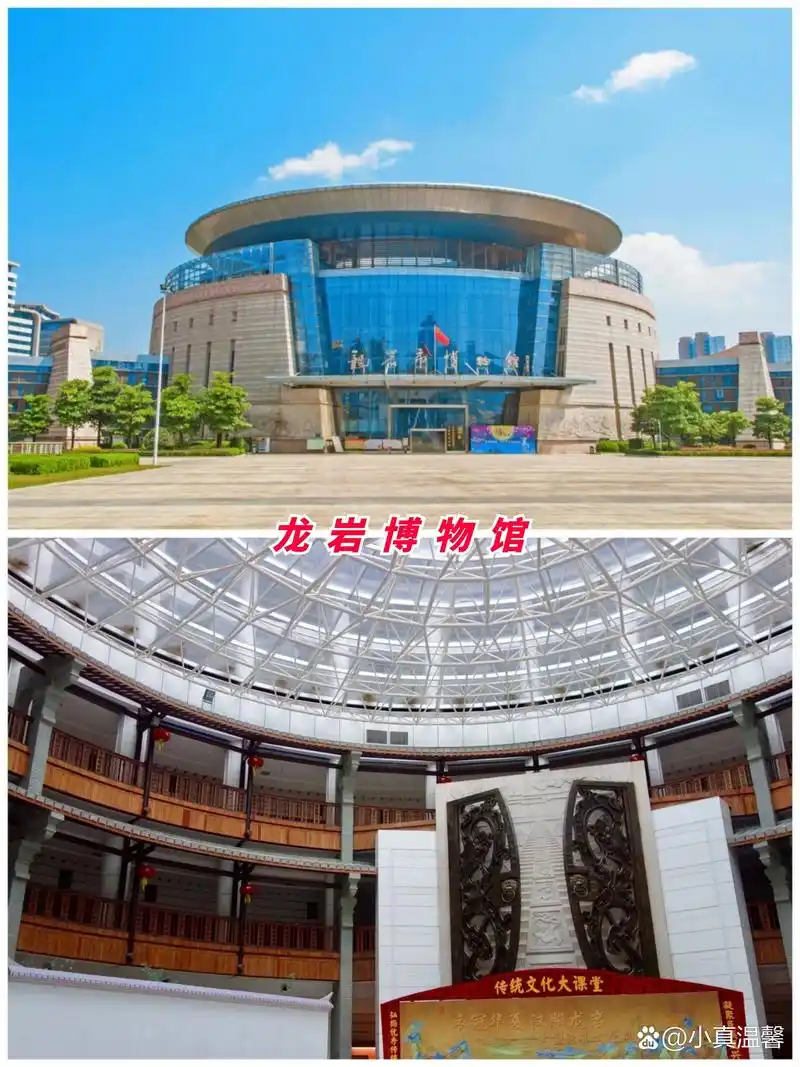
The building rises as a clean, contemporary public landmark in Xinluo's urban fabric, covering roughly 11,000 square meters across multiple stories. Its understated modern facade—with pale surfaces and generous glazing—reflects the same pragmatic civic style seen in post-2000 European cultural venues like Copenhagen's Kunsthal or Bilbao's contemporary wings. Function follows form: gallery halls, calligraphy rooms, training classrooms, and a flexible multipurpose performance space occupy the upper floors, while signage guides visitors upward from the street-level entrance.
Inside, rotating exhibitions showcase local painters and calligraphers whose brush traditions echo Chinese literati practices stretching back to the Song dynasty. Beyond static displays, the venue breathes through nightly Yanqing Night School courses—an echo of China's historic private academy tradition—and occasional heritage showcases where puppeteers and Shifan musicians bring Hakka memory to life. For travelers curious about how southern Chinese communities maintained distinct identities despite vast migrations, this is one of western Fujian's most accessible windows.
Admission is free, though special exhibitions and workshops sometimes require advance booking via the center's official WeChat channel or website. Allow at least two hours to browse the galleries and catch any scheduled performance. Note that the principal exhibition and activity halls sit on the upper floors, so follow posted signs from the entrance at 55 Xiniu South Road. The site pairs naturally with the nearby Longyan Museum and the trendy 1908 Creative Block for a full day of cultural exploration, similar to how visitors combine the Louvre with the Centre Pompidou in Paris.
Whether you are a casual traveler or a student of intangible heritage, this center delivers Fujian's living culture without the crowds of coastal tourist hubs. It offers rare hands-on access to Hakka performing arts—often described in academic circles as among China's most endangered musical traditions—and a quiet space to contemplate regional painting traditions away from the commercial bustle of Xiamen or Quanzhou. For those tracing migration stories, diaspora connections, or simply seeking authentic encounters with southern Chinese village culture, the Longyan Cultural Center is an essential stop.
The Hakka people, often called "the Jews of the East" for their centuries-long migrations across southern China, have shaped Longyan's identity since the Tang dynasty. This center serves as a guardian of their living traditions, particularly Minxi-branch Shifan music—an ensemble tradition dating back over 300 years—and puppet theater that traces its roots to folk performance arts once popular across rural Europe. As one of Fujian's leading regional cultural institutions, it plays a role comparable to a municipal folk museum in Tuscany or Galicia, preserving endangered vernacular arts while introducing them to new audiences.
The building rises as a clean, contemporary public landmark in Xinluo's urban fabric, covering roughly 11,000 square meters across multiple stories. Its understated modern facade—with pale surfaces and generous glazing—reflects the same pragmatic civic style seen in post-2000 European cultural venues like Copenhagen's Kunsthal or Bilbao's contemporary wings. Function follows form: gallery halls, calligraphy rooms, training classrooms, and a flexible multipurpose performance space occupy the upper floors, while signage guides visitors upward from the street-level entrance.
Inside, rotating exhibitions showcase local painters and calligraphers whose brush traditions echo Chinese literati practices stretching back to the Song dynasty. Beyond static displays, the venue breathes through nightly Yanqing Night School courses—an echo of China's historic private academy tradition—and occasional heritage showcases where puppeteers and Shifan musicians bring Hakka memory to life. For travelers curious about how southern Chinese communities maintained distinct identities despite vast migrations, this is one of western Fujian's most accessible windows.
Admission is free, though special exhibitions and workshops sometimes require advance booking via the center's official WeChat channel or website. Allow at least two hours to browse the galleries and catch any scheduled performance. Note that the principal exhibition and activity halls sit on the upper floors, so follow posted signs from the entrance at 55 Xiniu South Road. The site pairs naturally with the nearby Longyan Museum and the trendy 1908 Creative Block for a full day of cultural exploration, similar to how visitors combine the Louvre with the Centre Pompidou in Paris.
Whether you are a casual traveler or a student of intangible heritage, this center delivers Fujian's living culture without the crowds of coastal tourist hubs. It offers rare hands-on access to Hakka performing arts—often described in academic circles as among China's most endangered musical traditions—and a quiet space to contemplate regional painting traditions away from the commercial bustle of Xiamen or Quanzhou. For those tracing migration stories, diaspora connections, or simply seeking authentic encounters with southern Chinese village culture, the Longyan Cultural Center is an essential stop.