Longyan Red Soil Museum
⭐ 4.30
Longyan Red Soil Museum, Xinluo District, Longyan City, Fujian Province, China
 Nestled in the rugged hills of western Fujian, the museum tells a story that resonates far beyond China. By the mid-twentieth century, centuries of intensive farming, fuel gathering, and population pressure had left Changting with some of the worst red soil erosion in Asia, a condition locals grimly called the "Red Desert." The transformation that followed parallels the American Dust Bowl recovery of the 1930s and the twentieth-century reforestation of France's Cévennes, moments when a single determined generation heals landscapes that seemed forever lost. Since the 1940s, Chinese soil scientists and local villagers have waged a quiet battle to coax life back into depleted hillsides, and their success is now studied from Africa to South America.
The museum's architecture deliberately echoes the surrounding Hakka homeland, the earthen-walled, tiled-roof dwellings of the region's migrant-descended communities whose fortified tulou compounds are themselves UNESCO-recognized wonders. Walls of warm brick and timber frame quiet courtyards that open onto experimental plots, so the building feels less like an institution and more like a working village. Local craftsmen incorporated reclaimed timber and traditional joinery, allowing the structure to settle gently into the rolling landscape, a sustainable approach reminiscent of vernacular farmsteads scattered across rural Europe.
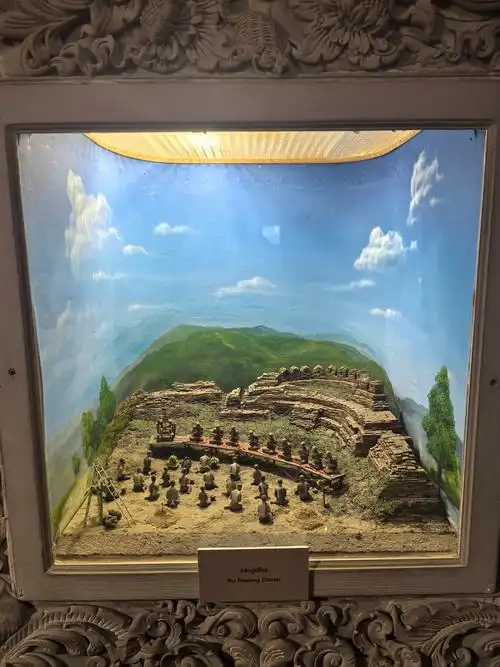
Inside, thoughtfully arranged galleries trace the journey from bare crimson earth to thick forest cover. Old photographs, archival footage, and detailed sand-table models lay bare the devastation of past decades, while large windows frame living comparisons, showing the same gullies now draped in green. A soil-moisture monitoring station, an artificial rainfall simulator, and tactile samples let curious travelers feel the difference between degraded and restored earth. Outside, a native-plant garden showcases the surprisingly diverse species that thrive in recovered laterite soils, turning botany into a colorful stroll.
The museum is also woven into the broader narrative of Changting, a cradle of the Chinese revolution in the late 1920s where Mao Zedong's early supporters organized land reform before the Long March. By linking ecological restoration with this revolutionary heritage, the site reframes "pioneering spirit" in environmental terms, suggesting that the same stubborn determination once applied to social upheaval now drives ecological healing. For travelers interested in modern Chinese history, this dual narrative gives the visit unusual depth.
Plan to spend around 1.5 to 2 hours exploring the museum and surrounding trails. From Tuesday to Friday, the museum opens in scheduled time blocks, while weekends and public holidays offer full-day access. Mondays are closed. The easiest route is a 90-minute drive west from Longyan city, or a longer scenic ride from Xiamen via the mountain highway. Spring and autumn bring mild weather and the lushest greenery, making these the most rewarding seasons to visit. Calling ahead to confirm opening times is wise, especially during national holidays.
A stop here rewards travelers who want to look beyond China's famous megacities and UNESCO highlights. Few places in the world allow visitors to walk through a landscape that has literally been rebuilt from the ground up, to handle the very soil that was lost and restored, and to meet a community that chose patience over shortcuts. Paired with the Changting County Museum and nearby tulou clusters, the Red Soil Museum offers an unusually complete portrait of western Fujian, where geology, revolution, and quiet ecological triumph share the same hillsides.
Nestled in the rugged hills of western Fujian, the museum tells a story that resonates far beyond China. By the mid-twentieth century, centuries of intensive farming, fuel gathering, and population pressure had left Changting with some of the worst red soil erosion in Asia, a condition locals grimly called the "Red Desert." The transformation that followed parallels the American Dust Bowl recovery of the 1930s and the twentieth-century reforestation of France's Cévennes, moments when a single determined generation heals landscapes that seemed forever lost. Since the 1940s, Chinese soil scientists and local villagers have waged a quiet battle to coax life back into depleted hillsides, and their success is now studied from Africa to South America.
The museum's architecture deliberately echoes the surrounding Hakka homeland, the earthen-walled, tiled-roof dwellings of the region's migrant-descended communities whose fortified tulou compounds are themselves UNESCO-recognized wonders. Walls of warm brick and timber frame quiet courtyards that open onto experimental plots, so the building feels less like an institution and more like a working village. Local craftsmen incorporated reclaimed timber and traditional joinery, allowing the structure to settle gently into the rolling landscape, a sustainable approach reminiscent of vernacular farmsteads scattered across rural Europe.
Inside, thoughtfully arranged galleries trace the journey from bare crimson earth to thick forest cover. Old photographs, archival footage, and detailed sand-table models lay bare the devastation of past decades, while large windows frame living comparisons, showing the same gullies now draped in green. A soil-moisture monitoring station, an artificial rainfall simulator, and tactile samples let curious travelers feel the difference between degraded and restored earth. Outside, a native-plant garden showcases the surprisingly diverse species that thrive in recovered laterite soils, turning botany into a colorful stroll.
The museum is also woven into the broader narrative of Changting, a cradle of the Chinese revolution in the late 1920s where Mao Zedong's early supporters organized land reform before the Long March. By linking ecological restoration with this revolutionary heritage, the site reframes "pioneering spirit" in environmental terms, suggesting that the same stubborn determination once applied to social upheaval now drives ecological healing. For travelers interested in modern Chinese history, this dual narrative gives the visit unusual depth.
Plan to spend around 1.5 to 2 hours exploring the museum and surrounding trails. From Tuesday to Friday, the museum opens in scheduled time blocks, while weekends and public holidays offer full-day access. Mondays are closed. The easiest route is a 90-minute drive west from Longyan city, or a longer scenic ride from Xiamen via the mountain highway. Spring and autumn bring mild weather and the lushest greenery, making these the most rewarding seasons to visit. Calling ahead to confirm opening times is wise, especially during national holidays.
A stop here rewards travelers who want to look beyond China's famous megacities and UNESCO highlights. Few places in the world allow visitors to walk through a landscape that has literally been rebuilt from the ground up, to handle the very soil that was lost and restored, and to meet a community that chose patience over shortcuts. Paired with the Changting County Museum and nearby tulou clusters, the Red Soil Museum offers an unusually complete portrait of western Fujian, where geology, revolution, and quiet ecological triumph share the same hillsides.