Longyan Ancient City Wall
⭐ 4.20
Longyan Ancient City Wall, Xinluo District, Longyan City, Fujian Province, China
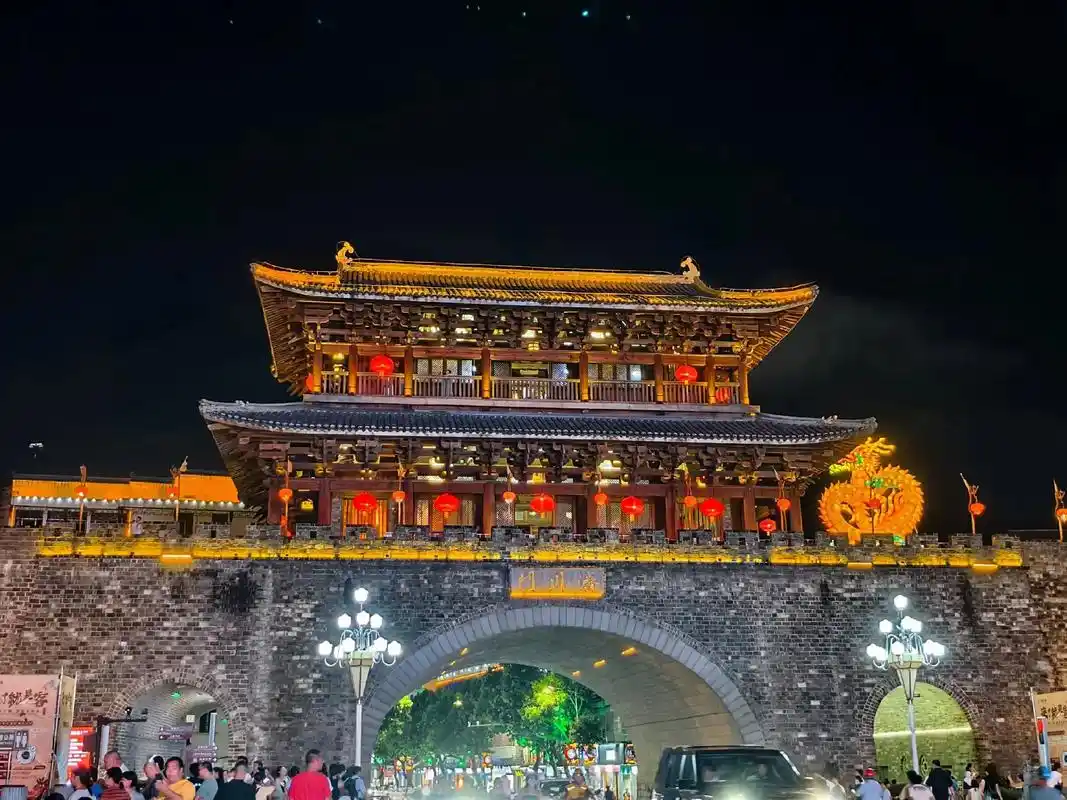 Spanning more than twelve centuries, Changting's city wall was first raised in 769 AD, during the Tang Dynasty—a period roughly contemporary with the early Carolingian age in Europe, when Charlemagne was consolidating his realm. While China's iconic Great Wall stretches across the northern frontier, this southern fortification tells a different story: that of frontier settlement, river trade, and the great Hakka migrations. Like the medieval walled towns of Ávila or Carcassonne, it represents an entire community enclosed in stone, yet unlike those regular European bastions, Tingzhou Wall snakes organically along the contours of the Longshan hills and Tingjiang River, creating a uniquely picturesque silhouette that feels more Italian hill-town than fortress.
The construction itself is a marvel of engineering pragmatism. Massive cut stone blocks form the wall's spine, while fired bricks bear faint Ming and Qing inscriptions still visible today. The gates—most notably Chaotianmen and Sanyuangge—are textbook examples of Ming military architecture, with upturned eaves and robust double-arched tunnel passages engineered to withstand relentless seasonal flooding. This dual function of defense and flood control draws a distant parallel to the great Dutch sea walls or the embankment systems of the Po Valley, marrying martial strength with hydraulic ingenuity.
Beyond its physical presence, the wall embodies the soul of the Hakka people, one of China's most distinctive cultural groups, whose ancestors migrated south over many centuries seeking new lands. From the Tang dynasty through the early modern era, Changting served as the political and commercial heart of the western Fujian borderlands, ruling trade routes that connected Fujian, Guangdong, and Jiangxi provinces. The adjacent Tingzhou Confucius Temple, Yunxiang Pavilion, and labyrinthine old lanes together compose a living tableau of Hakka identity—one with no direct parallel in Europe but echoing the way medieval city walls in places like Rothenburg or Dubrovnik still anchor national memory.
Visiting is refreshingly straightforward: admission is free, and access ramps can be found at both Chaotianmen and Wutongmen Gates. From atop the broad stone-paved ramparts, visitors gaze down at the jade-green Ting River threading through rooftops and banyan trees—an experience echoed on a smaller scale by walking the walls of York or Lucca. Allow half a day to a full day to wander the full circuit and connect with nearby sites such as Diantou Street's traditional shops and the forested slopes of Wolong Mountain.
Photographers will find this place extraordinary. Early-morning mist softens the battlements into watercolor tones, while late-afternoon light gilds the surviving towers in copper and gold—conditions ideal for period-costume portraiture or sweeping architectural shots. Practical tips: wear flat non-slip shoes, as flagstones are uneven in places; bring sun protection and water in summer, when exposed rampart walks offer little shade; and visit on weekday mornings to avoid the weekend crowds. A crucial navigational note: searching for "Longyan City Wall" will mislead you—the wall lies about an hour's drive from central Longyan's Xinluo District, in Changting County. Set your destination to "Changting Ancient City Wall" or "Changting Chaotianmen" to arrive without delay.
Spanning more than twelve centuries, Changting's city wall was first raised in 769 AD, during the Tang Dynasty—a period roughly contemporary with the early Carolingian age in Europe, when Charlemagne was consolidating his realm. While China's iconic Great Wall stretches across the northern frontier, this southern fortification tells a different story: that of frontier settlement, river trade, and the great Hakka migrations. Like the medieval walled towns of Ávila or Carcassonne, it represents an entire community enclosed in stone, yet unlike those regular European bastions, Tingzhou Wall snakes organically along the contours of the Longshan hills and Tingjiang River, creating a uniquely picturesque silhouette that feels more Italian hill-town than fortress.
The construction itself is a marvel of engineering pragmatism. Massive cut stone blocks form the wall's spine, while fired bricks bear faint Ming and Qing inscriptions still visible today. The gates—most notably Chaotianmen and Sanyuangge—are textbook examples of Ming military architecture, with upturned eaves and robust double-arched tunnel passages engineered to withstand relentless seasonal flooding. This dual function of defense and flood control draws a distant parallel to the great Dutch sea walls or the embankment systems of the Po Valley, marrying martial strength with hydraulic ingenuity.
Beyond its physical presence, the wall embodies the soul of the Hakka people, one of China's most distinctive cultural groups, whose ancestors migrated south over many centuries seeking new lands. From the Tang dynasty through the early modern era, Changting served as the political and commercial heart of the western Fujian borderlands, ruling trade routes that connected Fujian, Guangdong, and Jiangxi provinces. The adjacent Tingzhou Confucius Temple, Yunxiang Pavilion, and labyrinthine old lanes together compose a living tableau of Hakka identity—one with no direct parallel in Europe but echoing the way medieval city walls in places like Rothenburg or Dubrovnik still anchor national memory.
Visiting is refreshingly straightforward: admission is free, and access ramps can be found at both Chaotianmen and Wutongmen Gates. From atop the broad stone-paved ramparts, visitors gaze down at the jade-green Ting River threading through rooftops and banyan trees—an experience echoed on a smaller scale by walking the walls of York or Lucca. Allow half a day to a full day to wander the full circuit and connect with nearby sites such as Diantou Street's traditional shops and the forested slopes of Wolong Mountain.
Photographers will find this place extraordinary. Early-morning mist softens the battlements into watercolor tones, while late-afternoon light gilds the surviving towers in copper and gold—conditions ideal for period-costume portraiture or sweeping architectural shots. Practical tips: wear flat non-slip shoes, as flagstones are uneven in places; bring sun protection and water in summer, when exposed rampart walks offer little shade; and visit on weekday mornings to avoid the weekend crowds. A crucial navigational note: searching for "Longyan City Wall" will mislead you—the wall lies about an hour's drive from central Longyan's Xinluo District, in Changting County. Set your destination to "Changting Ancient City Wall" or "Changting Chaotianmen" to arrive without delay.