Li Shizhen Memorial Hall
⭐ 4.20
No. 168, Shizhen Road, Qizhou Town, Qichun County, Hubei Province, China
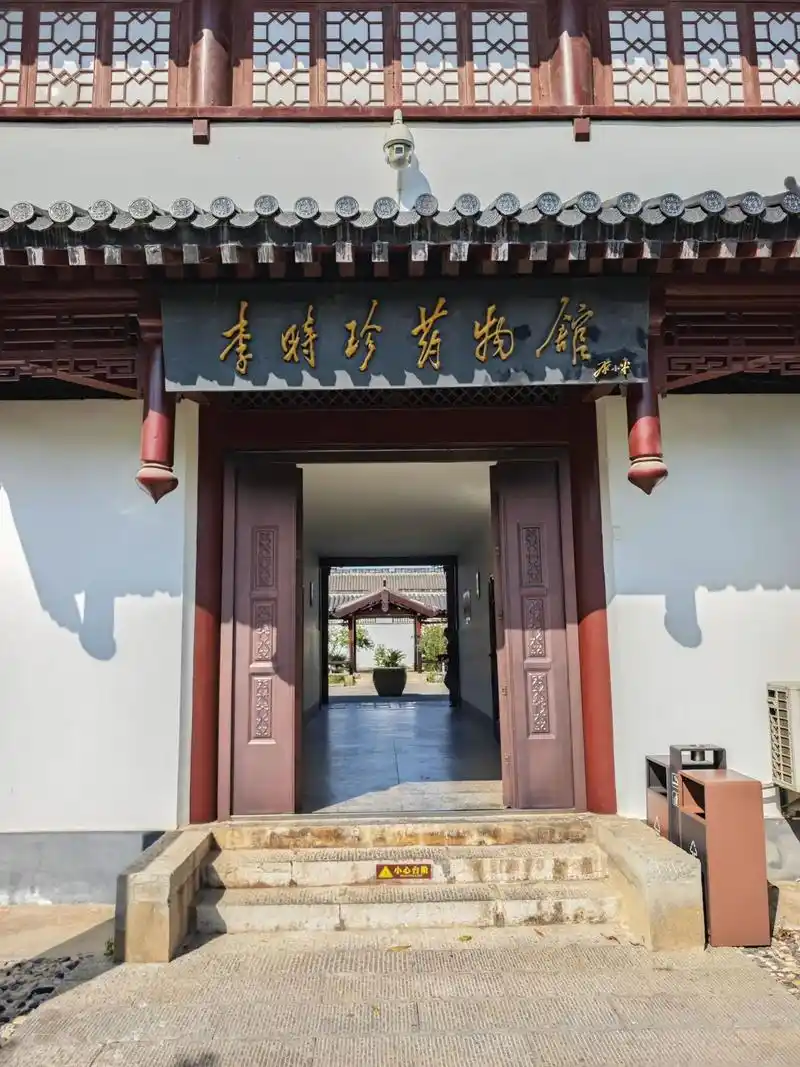 Li Shizhen (1518–1593) lived through the same era as Europe's Renaissance anatomists Andreas Vesalius and Paracelsus, yet his contribution eclipsed them in scope. While Vesalius mapped the human body and Paracelsus pioneered chemical remedies, Li catalogued nearly two thousand substances—from ginseng to rhinoceros horn—drawing on two millennia of Chinese knowledge. The Bencao Gangmu, completed in 1578 and first printed in 1596, later reached Europe via Jesuit missionaries, influencing naturalists like Carl Linnaeus. The memorial stands on Li's birthplace, a pilgrimage site comparable in reverence to Shakespeare's Stratford-upon-Avon for literary pilgrims.
The complex spans 60,000 to 80,000 square meters, with nearly 8,000 square meters of exhibition space, arranged in six sections radiating from Yuhu Lake. The architecture faithfully echoes Ming design: whitewashed walls, grey-tiled roofs, upturned eaves, and pavilions balanced over water. The layout recalls a smaller Suzhou garden merged with a European cloister—memorial solemnity softened by willows, lotus ponds, and meandering paths. A central plaza honors four sages of the region, anchoring the campus in a broader narrative of local scholarly tradition.
The 80-meter-long Herbal Stone Gallery is the cultural heart of the site, displaying carved relief panels of 128 medicinal plants alongside the full preface of the Bencao Gangmu—an open-air library that marries sculpture to scholarship. The adjacent Hundred Herbs Garden organizes living plants by their traditional therapeutic properties: warming, cooling, tonifying, or purgative. Visitors can touch, smell, and occasionally taste specimens under staff guidance. Inside, exhibition halls showcase Li's personal artifacts, rare Ming-era editions of his works, and preserved animal and mineral medicines used for centuries in Chinese pharmacies.
The memorial opens Tuesday through Sunday from 09:00 to 17:00, with last entry at 16:30, and closes only on Mondays (except national holidays). Admission is free, though visitors must present a passport or pre-book online. Allow two to three hours for a thorough visit; the grounds include slopes and uneven paths, so comfortable walking shoes are essential, and insect repellent is advisable in summer. Guided docents cost around 100 RMB per session, while audio guides offer a flexible alternative. The site lies about three hours by high-speed rail from Wuhan.
Travelers with children can join the "Little Shizhen Pharmacist" workshops or try AI-powered virtual consultations that translate symptoms into classical remedies—engaging activities rarely found at solemn historical sites. Literature enthusiasts will linger over Ming woodblock prints and stone epigraphy, while garden lovers can simply absorb the lakeside calm. Li Shizhen's tomb, designated a nationally protected monument, occupies the quietest corner of the grounds and rewards visitors with a moment of reflection beneath ancient cypresses—fitting closure to a journey through one of humanity's earliest attempts to catalogue the healing power of nature.
Li Shizhen (1518–1593) lived through the same era as Europe's Renaissance anatomists Andreas Vesalius and Paracelsus, yet his contribution eclipsed them in scope. While Vesalius mapped the human body and Paracelsus pioneered chemical remedies, Li catalogued nearly two thousand substances—from ginseng to rhinoceros horn—drawing on two millennia of Chinese knowledge. The Bencao Gangmu, completed in 1578 and first printed in 1596, later reached Europe via Jesuit missionaries, influencing naturalists like Carl Linnaeus. The memorial stands on Li's birthplace, a pilgrimage site comparable in reverence to Shakespeare's Stratford-upon-Avon for literary pilgrims.
The complex spans 60,000 to 80,000 square meters, with nearly 8,000 square meters of exhibition space, arranged in six sections radiating from Yuhu Lake. The architecture faithfully echoes Ming design: whitewashed walls, grey-tiled roofs, upturned eaves, and pavilions balanced over water. The layout recalls a smaller Suzhou garden merged with a European cloister—memorial solemnity softened by willows, lotus ponds, and meandering paths. A central plaza honors four sages of the region, anchoring the campus in a broader narrative of local scholarly tradition.
The 80-meter-long Herbal Stone Gallery is the cultural heart of the site, displaying carved relief panels of 128 medicinal plants alongside the full preface of the Bencao Gangmu—an open-air library that marries sculpture to scholarship. The adjacent Hundred Herbs Garden organizes living plants by their traditional therapeutic properties: warming, cooling, tonifying, or purgative. Visitors can touch, smell, and occasionally taste specimens under staff guidance. Inside, exhibition halls showcase Li's personal artifacts, rare Ming-era editions of his works, and preserved animal and mineral medicines used for centuries in Chinese pharmacies.
The memorial opens Tuesday through Sunday from 09:00 to 17:00, with last entry at 16:30, and closes only on Mondays (except national holidays). Admission is free, though visitors must present a passport or pre-book online. Allow two to three hours for a thorough visit; the grounds include slopes and uneven paths, so comfortable walking shoes are essential, and insect repellent is advisable in summer. Guided docents cost around 100 RMB per session, while audio guides offer a flexible alternative. The site lies about three hours by high-speed rail from Wuhan.
Travelers with children can join the "Little Shizhen Pharmacist" workshops or try AI-powered virtual consultations that translate symptoms into classical remedies—engaging activities rarely found at solemn historical sites. Literature enthusiasts will linger over Ming woodblock prints and stone epigraphy, while garden lovers can simply absorb the lakeside calm. Li Shizhen's tomb, designated a nationally protected monument, occupies the quietest corner of the grounds and rewards visitors with a moment of reflection beneath ancient cypresses—fitting closure to a journey through one of humanity's earliest attempts to catalogue the healing power of nature.