Zhumadian Museum
⭐ 4.20
No. 166, Xuexi Street, Yicheng District, Zhumadian City, Henan Province, China
 Zhumadian occupies land once belonging to the ancient State of Cai, a minor vassal that played a surprising role during the Eastern Zhou dynasty—roughly contemporary with ancient Greece’s Classical period. The museum’s collections illuminate this Bronze Age culture alongside Qin-Han administrative relics, placing visitors at a crossroads of Chinese civilization similar to how regional museums across Mediterranean Europe preserve fragments of forgotten city-states. Artifacts connected to Li Si, the Qin chancellor who standardized Chinese script, and Han Feizi, founder of Legalist philosophy, lend remarkable depth to the narrative.
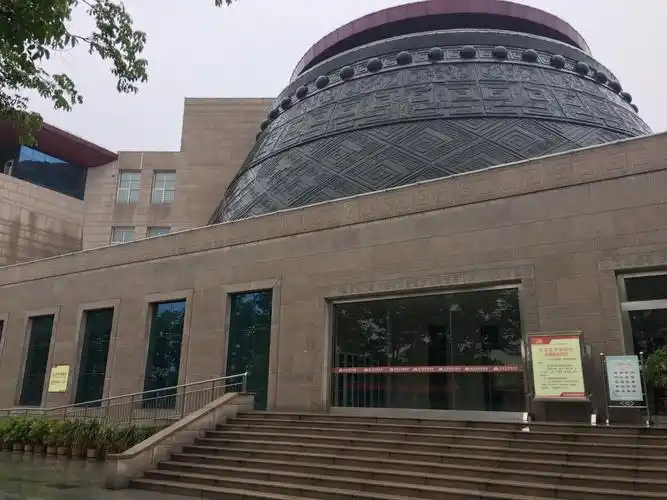
The building itself draws architectural inspiration from ancient bronze ceremonial bells, its dignified silhouette echoing ritual vessels that once rang across Central Plains kingdoms. Spanning three floors with over 7,585 square meters of exhibition space, the museum balances grandeur with intimacy—soft lighting and clear pathways guide visitors through carefully curated galleries that feel contemplative rather than overwhelming.
Beyond its archaeological treasures, the museum offers thematic showcases including ancient coinage, ceramics, and calligraphy, occasionally supplemented by high-quality temporary exhibitions. Multimedia guides and digital inquiry stations cater to modern visitors, while weekend stamp-collecting activities make it especially welcoming for families and school groups exploring Chinese heritage.
Admission is free, requiring only a passport for foreign visitors at the entrance—no advance booking needed. Opening hours run Tuesday through Sunday, 9:00 to 17:00, with final entry at 16:00; the museum closes Mondays except during public holidays. Allow 1.5 to 2 hours for a thorough visit, and consider requesting a guided tour or audio guide for richer context.
Begin on the second floor with Shang and Zhou bronzes and Han dynasty tomb figurines, then descend to explore Cai state history and local folk traditions. Avoid flash photography, and step close to glass cases to appreciate intricate details that distant viewing misses. Afterward, stroll to Tianzhong Square or nearby alleys for regional specialties like spicy pepper soup and crispy fried dough—essential flavors that connect visitors to Zhumadian’s living culture.
Zhumadian occupies land once belonging to the ancient State of Cai, a minor vassal that played a surprising role during the Eastern Zhou dynasty—roughly contemporary with ancient Greece’s Classical period. The museum’s collections illuminate this Bronze Age culture alongside Qin-Han administrative relics, placing visitors at a crossroads of Chinese civilization similar to how regional museums across Mediterranean Europe preserve fragments of forgotten city-states. Artifacts connected to Li Si, the Qin chancellor who standardized Chinese script, and Han Feizi, founder of Legalist philosophy, lend remarkable depth to the narrative.
The building itself draws architectural inspiration from ancient bronze ceremonial bells, its dignified silhouette echoing ritual vessels that once rang across Central Plains kingdoms. Spanning three floors with over 7,585 square meters of exhibition space, the museum balances grandeur with intimacy—soft lighting and clear pathways guide visitors through carefully curated galleries that feel contemplative rather than overwhelming.
Beyond its archaeological treasures, the museum offers thematic showcases including ancient coinage, ceramics, and calligraphy, occasionally supplemented by high-quality temporary exhibitions. Multimedia guides and digital inquiry stations cater to modern visitors, while weekend stamp-collecting activities make it especially welcoming for families and school groups exploring Chinese heritage.
Admission is free, requiring only a passport for foreign visitors at the entrance—no advance booking needed. Opening hours run Tuesday through Sunday, 9:00 to 17:00, with final entry at 16:00; the museum closes Mondays except during public holidays. Allow 1.5 to 2 hours for a thorough visit, and consider requesting a guided tour or audio guide for richer context.
Begin on the second floor with Shang and Zhou bronzes and Han dynasty tomb figurines, then descend to explore Cai state history and local folk traditions. Avoid flash photography, and step close to glass cases to appreciate intricate details that distant viewing misses. Afterward, stroll to Tianzhong Square or nearby alleys for regional specialties like spicy pepper soup and crispy fried dough—essential flavors that connect visitors to Zhumadian’s living culture.