Biyang Tongshan Lake
⭐ 3.80
Tongshan Lake Scenic Area, Biyang County, Zhumadian City, Henan Province, China
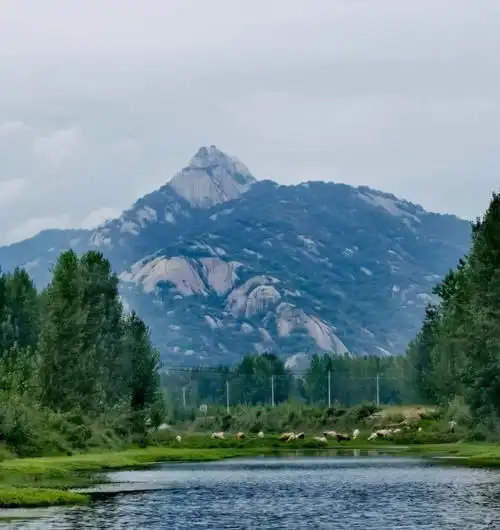 Tongshan Lake was constructed in 1967 during the great wave of Chinese dam-building that transformed the country's waterways in the mid-twentieth century—an effort that echoes the ambitious hydraulic projects of post-war Europe, from the Italian Alps to the Rhône valley. The reservoir covers 74 square kilometres at 681 metres above sea level and holds 132 million cubic metres of water, all kept to Class II–III drinking-water standards. This dual role as both a vital drinking source and a recreational playground makes it comparable to Alpine lakes such as Lake Lucerne, where pristine waters serve communities and visitors alike.
The surrounding forest coverage gives Tongshan its nickname "the great forest of central China," and in 2019 the lakeside marshes were officially designated a national wetland park. More than 190 bird species have been recorded here, including egrets that drift over the reed beds at dusk. For Western visitors familiar with the Camargue in France or the Coto Doñana in Spain, the wetlands offer a similar wealth of birdlife, though set against the distinctive silhouette of Chinese pine-clad ridges.
The jagged summit of Tongshan is frequently dubbed the "Little Wudang" for its Taoist associations and theatrical rock formations, which recall the dramatic precipices of the Spanish Sierra or the cliff faces of the Dolomites. Halfway up the slopes stands Nangong Temple, a Buddhist sanctuary whose incense has burned continuously for over a thousand years—roughly contemporaneous with Europe's great Romanesque abbeys. Hikers following the trail to the summit pass the historic route of the Red 25th Army's Long March, lending the climb both spiritual and revolutionary resonance.
Out on the water, a fleet of small boats ferries visitors between Bird Island, Cactus Island and other named islets. Skippers cheerfully recount the local "water monster" legend, which—spoiler alert—almost certainly traces to large schools of carp or optical tricks on misty mornings. The Torch Pine seed forest, the only one of its kind in central China, offers a shaded alternative to the climbs, releasing the resinous scent and cool air that make this one of the region's favourite summer retreats.
Practicalities are refreshingly simple: entry runs from roughly 20 to 50 yuan, with boat rides charged separately. Public transport is virtually nonexistent, so self-driving or hiring a car from Zhumadian is essential. The optimal season runs from May to October, when summer temperatures stay pleasantly cool. A two-day stay allows a leisurely cruise and lakeside stroll on day one—followed by a hearty bowl of the local silver-bighead carp soup—then a dawn climb to Nangong Temple and the pine forest on day two, a perfect introduction to central China's wild heart.
Tongshan Lake was constructed in 1967 during the great wave of Chinese dam-building that transformed the country's waterways in the mid-twentieth century—an effort that echoes the ambitious hydraulic projects of post-war Europe, from the Italian Alps to the Rhône valley. The reservoir covers 74 square kilometres at 681 metres above sea level and holds 132 million cubic metres of water, all kept to Class II–III drinking-water standards. This dual role as both a vital drinking source and a recreational playground makes it comparable to Alpine lakes such as Lake Lucerne, where pristine waters serve communities and visitors alike.
The surrounding forest coverage gives Tongshan its nickname "the great forest of central China," and in 2019 the lakeside marshes were officially designated a national wetland park. More than 190 bird species have been recorded here, including egrets that drift over the reed beds at dusk. For Western visitors familiar with the Camargue in France or the Coto Doñana in Spain, the wetlands offer a similar wealth of birdlife, though set against the distinctive silhouette of Chinese pine-clad ridges.
The jagged summit of Tongshan is frequently dubbed the "Little Wudang" for its Taoist associations and theatrical rock formations, which recall the dramatic precipices of the Spanish Sierra or the cliff faces of the Dolomites. Halfway up the slopes stands Nangong Temple, a Buddhist sanctuary whose incense has burned continuously for over a thousand years—roughly contemporaneous with Europe's great Romanesque abbeys. Hikers following the trail to the summit pass the historic route of the Red 25th Army's Long March, lending the climb both spiritual and revolutionary resonance.
Out on the water, a fleet of small boats ferries visitors between Bird Island, Cactus Island and other named islets. Skippers cheerfully recount the local "water monster" legend, which—spoiler alert—almost certainly traces to large schools of carp or optical tricks on misty mornings. The Torch Pine seed forest, the only one of its kind in central China, offers a shaded alternative to the climbs, releasing the resinous scent and cool air that make this one of the region's favourite summer retreats.
Practicalities are refreshingly simple: entry runs from roughly 20 to 50 yuan, with boat rides charged separately. Public transport is virtually nonexistent, so self-driving or hiring a car from Zhumadian is essential. The optimal season runs from May to October, when summer temperatures stay pleasantly cool. A two-day stay allows a leisurely cruise and lakeside stroll on day one—followed by a hearty bowl of the local silver-bighead carp soup—then a dawn climb to Nangong Temple and the pine forest on day two, a perfect introduction to central China's wild heart.