Queshan Shilong Mountain
⭐ 3.80
Shilong Mountain Scenic Area, Queshan County, Zhumadian City, Henan Province, China
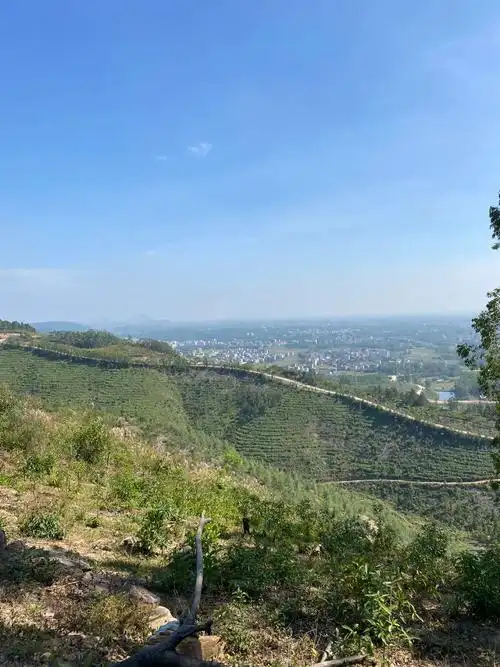 Lao Le Mountain forms the terminal spur of the Funiu Range, where low mountains gradually dissolve into the North China Plain. Its slopes are cloaked in mixed pine-oak forests with over 90% canopy coverage, earning it the local nickname "Zhumadian's Back Garden." The summit offers one of the rare panoramic viewpoints in this otherwise flat agricultural region, with sweeping vistas toward the southern ridges. Summer temperatures run a refreshing 4–6°C cooler than the city below, and high negative-ion counts make the air noticeably cleaner—comparable to what visitors seek in the wooded valleys of Germany's Black Forest or Scotland's Trossachs.
The mountain's cultural lineage stretches back to the Sui and Tang dynasties (6th–10th centuries), a period when Chinese monastic culture flourished alongside the great religious centers of the Silk Road. North Spring Temple (北泉寺) preserves foundations from this era, while scattered Taoist shrines date from the Song and Yuan periods onward, making the site a regional node for southern Henan's Taoist transmission. Each autumn, the mountain hosts a Chongyang (Double Ninth) Festival climbing event, drawing on a tradition that has been observed since at least the Han dynasty—roughly contemporary with Roman harvest festivals in the Mediterranean world.
Architecturally, the site is understated rather than monumental. The remaining temple structures follow classical Chinese hall-and-courtyard layouts, with stone pathways linking meditation spots, pavilions, and a cluster of Ming- and Qing-era Taoist altars. The "Le" (乐, meaning "joy") character motif appears throughout gates and pavilions, including the distinctive Joy Gate and the Immortals' Gathering Pavilion, which serve as focal points for festival gatherings.
Modern visitor infrastructure keeps the experience accessible. A stone staircase leads to the summit, with a cable car shortcut for those who'd rather save their legs—similar to gondolas found in Alpine resorts like Austria's Untersberg. A glass walkway added in recent years juts from the mid-slope, offering thrill-seekers a transparent ledge over the valley. At the base, farmhouse restaurants serve local Henan fare, and parking accommodates both tour buses and self-driving visitors.
Getting there is straightforward by car: from Zhumadian city, follow the G107 national highway and transfer to a county road, arriving at the South Gate in about 40 minutes. Public transport requires a transfer through Queshan town and takes considerably longer, so taxis or rental cars are recommended for out-of-town visitors. Tickets follow seasonal pricing, with discounts for students and seniors. For the smoothest experience, plan a full day—morning hike, lunch at the base, and an afternoon exploring the temples or testing the glass walkway. August brings humidity and rain, so sturdy shoes and rain gear are essential, and sticking to marked trails is important as loose rock can be a hazard during downpours.
Lao Le Mountain forms the terminal spur of the Funiu Range, where low mountains gradually dissolve into the North China Plain. Its slopes are cloaked in mixed pine-oak forests with over 90% canopy coverage, earning it the local nickname "Zhumadian's Back Garden." The summit offers one of the rare panoramic viewpoints in this otherwise flat agricultural region, with sweeping vistas toward the southern ridges. Summer temperatures run a refreshing 4–6°C cooler than the city below, and high negative-ion counts make the air noticeably cleaner—comparable to what visitors seek in the wooded valleys of Germany's Black Forest or Scotland's Trossachs.
The mountain's cultural lineage stretches back to the Sui and Tang dynasties (6th–10th centuries), a period when Chinese monastic culture flourished alongside the great religious centers of the Silk Road. North Spring Temple (北泉寺) preserves foundations from this era, while scattered Taoist shrines date from the Song and Yuan periods onward, making the site a regional node for southern Henan's Taoist transmission. Each autumn, the mountain hosts a Chongyang (Double Ninth) Festival climbing event, drawing on a tradition that has been observed since at least the Han dynasty—roughly contemporary with Roman harvest festivals in the Mediterranean world.
Architecturally, the site is understated rather than monumental. The remaining temple structures follow classical Chinese hall-and-courtyard layouts, with stone pathways linking meditation spots, pavilions, and a cluster of Ming- and Qing-era Taoist altars. The "Le" (乐, meaning "joy") character motif appears throughout gates and pavilions, including the distinctive Joy Gate and the Immortals' Gathering Pavilion, which serve as focal points for festival gatherings.
Modern visitor infrastructure keeps the experience accessible. A stone staircase leads to the summit, with a cable car shortcut for those who'd rather save their legs—similar to gondolas found in Alpine resorts like Austria's Untersberg. A glass walkway added in recent years juts from the mid-slope, offering thrill-seekers a transparent ledge over the valley. At the base, farmhouse restaurants serve local Henan fare, and parking accommodates both tour buses and self-driving visitors.
Getting there is straightforward by car: from Zhumadian city, follow the G107 national highway and transfer to a county road, arriving at the South Gate in about 40 minutes. Public transport requires a transfer through Queshan town and takes considerably longer, so taxis or rental cars are recommended for out-of-town visitors. Tickets follow seasonal pricing, with discounts for students and seniors. For the smoothest experience, plan a full day—morning hike, lunch at the base, and an afternoon exploring the temples or testing the glass walkway. August brings humidity and rain, so sturdy shoes and rain gear are essential, and sticking to marked trails is important as loose rock can be a hazard during downpours.