Fuyang Confucian Temple
⭐ 2.80
Xiguan Street, Yingzhou District, Fuyang City, Anhui Province, China
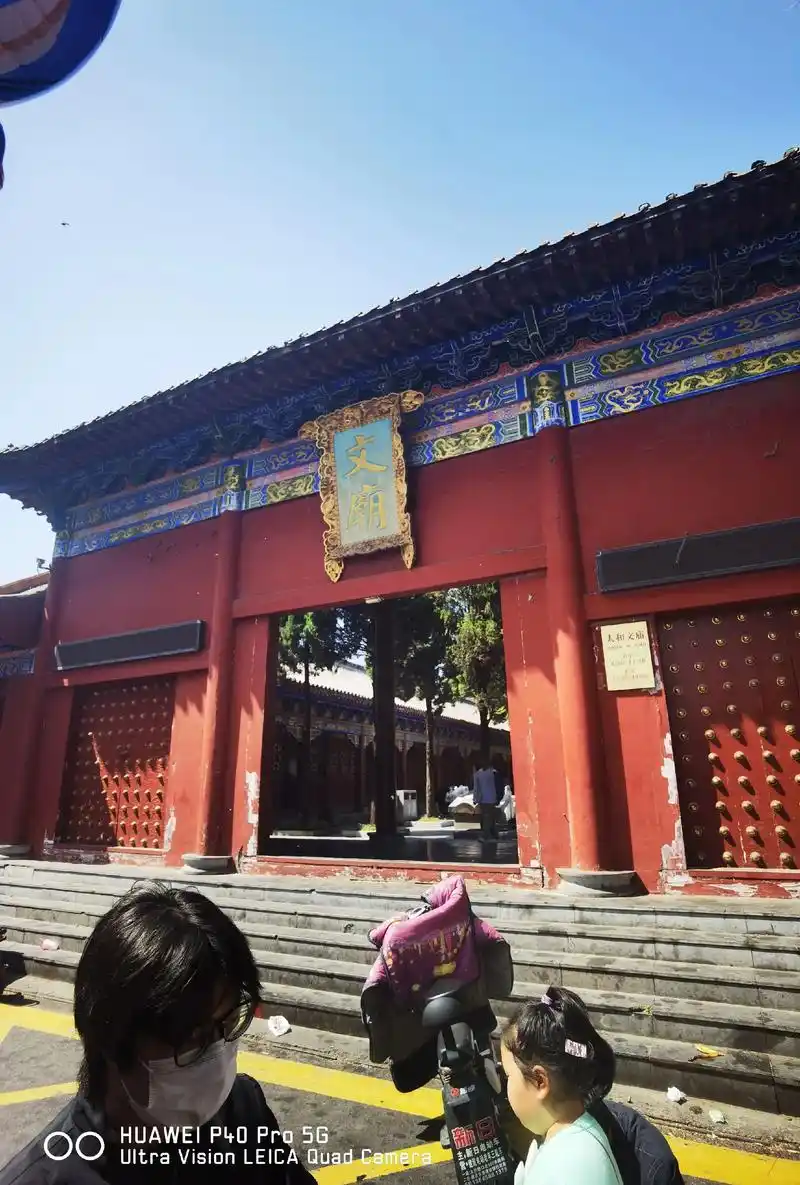 Built in 1304 during the Yuan Dynasty's Dade reign, the Taihe Confucian Temple predates the Black Death in Europe and shares its century with Giotto's frescoes in Padua. As the sole surviving pre-Ming architectural complex in northern Anhui, it serves as a rare physical record of how Confucian academies evolved during the turbulent transition from Mongol to Han Chinese rule. Its continued use over seven centuries mirrors the longevity of Europe's great medieval universities, though its purpose—ritual veneration of Confucius alongside civic scholarship—remains distinctly East Asian.
The temple follows a classic ritual axial plan: a spirit screen, the Lingxing Gate, the Pan Pool (a crescent moat symbolizing scholarly purification), the Dacheng Gate, and the principal Dacheng Hall. Flanking corridors hold stone stelae chronicling centuries of repairs and imperial examination records. The 4,620-square-meter compound feels intimate rather than monumental, closer in scale to a Tuscan cloister than to Beijing's grand Temple of Confucius.
Architecturally, the Dacheng Hall is the centerpiece—a single-eave structure combining the post-and-lintel framing of earlier dynasties with the column-and-tie techniques that would dominate Ming and Qing construction. Its sweeping hip-and-gable roof is crowned with glazed tiles and ridge beasts reminiscent of those found on Korean and Vietnamese Confucian temples, reflecting the broader Sinosphere's shared architectural vocabulary. Brick carvings and stone reliefs throughout the complex showcase the refined craftsmanship of Yuan-era artisans.
Beyond its structural significance, the temple embodies the soul of imperial China's civil service tradition. Confucius was venerated here much as saints were venerated in European cathedrals, and generations of aspiring scholars passed through its gates before sitting for imperial examinations that determined their careers. The shaded courtyards, dappled light through latticed windows, and ancient trees create a contemplative atmosphere prized by visitors in traditional hanfu attire, particularly during the soft golden hours of early morning and late afternoon.
The temple is open free of charge every day with no reservation required, though visitors should check on-site for any temporary adjustments to the main hall's access. The site has no shops or drinking water, so bring your own. Silence is expected inside the main hall; flash photography directed at the shrine tablets, climbing on steps, and revealing clothing are discouraged. Modest, respectful attire is appropriate.
Plan for 40 to 60 minutes to explore the temple itself. For a richer half-day cultural outing, combine it with the nearby Taihe County Museum and wander the surrounding old streets to sample local specialties such as beef mo (flatbread) and rolled mo pancakes. Drivers can navigate directly to "Taihe Confucian Temple"; public transit users can take bus lines 1, 3, or 6 to Wenmiao Station, followed by a 3-to-8-minute walk. August brings Anhui's hottest, rainiest weather—visit at dawn or dusk, wear non-slip shoes, and carry sun protection.
Built in 1304 during the Yuan Dynasty's Dade reign, the Taihe Confucian Temple predates the Black Death in Europe and shares its century with Giotto's frescoes in Padua. As the sole surviving pre-Ming architectural complex in northern Anhui, it serves as a rare physical record of how Confucian academies evolved during the turbulent transition from Mongol to Han Chinese rule. Its continued use over seven centuries mirrors the longevity of Europe's great medieval universities, though its purpose—ritual veneration of Confucius alongside civic scholarship—remains distinctly East Asian.
The temple follows a classic ritual axial plan: a spirit screen, the Lingxing Gate, the Pan Pool (a crescent moat symbolizing scholarly purification), the Dacheng Gate, and the principal Dacheng Hall. Flanking corridors hold stone stelae chronicling centuries of repairs and imperial examination records. The 4,620-square-meter compound feels intimate rather than monumental, closer in scale to a Tuscan cloister than to Beijing's grand Temple of Confucius.
Architecturally, the Dacheng Hall is the centerpiece—a single-eave structure combining the post-and-lintel framing of earlier dynasties with the column-and-tie techniques that would dominate Ming and Qing construction. Its sweeping hip-and-gable roof is crowned with glazed tiles and ridge beasts reminiscent of those found on Korean and Vietnamese Confucian temples, reflecting the broader Sinosphere's shared architectural vocabulary. Brick carvings and stone reliefs throughout the complex showcase the refined craftsmanship of Yuan-era artisans.
Beyond its structural significance, the temple embodies the soul of imperial China's civil service tradition. Confucius was venerated here much as saints were venerated in European cathedrals, and generations of aspiring scholars passed through its gates before sitting for imperial examinations that determined their careers. The shaded courtyards, dappled light through latticed windows, and ancient trees create a contemplative atmosphere prized by visitors in traditional hanfu attire, particularly during the soft golden hours of early morning and late afternoon.
The temple is open free of charge every day with no reservation required, though visitors should check on-site for any temporary adjustments to the main hall's access. The site has no shops or drinking water, so bring your own. Silence is expected inside the main hall; flash photography directed at the shrine tablets, climbing on steps, and revealing clothing are discouraged. Modest, respectful attire is appropriate.
Plan for 40 to 60 minutes to explore the temple itself. For a richer half-day cultural outing, combine it with the nearby Taihe County Museum and wander the surrounding old streets to sample local specialties such as beef mo (flatbread) and rolled mo pancakes. Drivers can navigate directly to "Taihe Confucian Temple"; public transit users can take bus lines 1, 3, or 6 to Wenmiao Station, followed by a 3-to-8-minute walk. August brings Anhui's hottest, rainiest weather—visit at dawn or dusk, wear non-slip shoes, and carry sun protection.