Wenfeng Pagoda
⭐ 3.20
Luanzhou City, Tangshan, Hebei, China
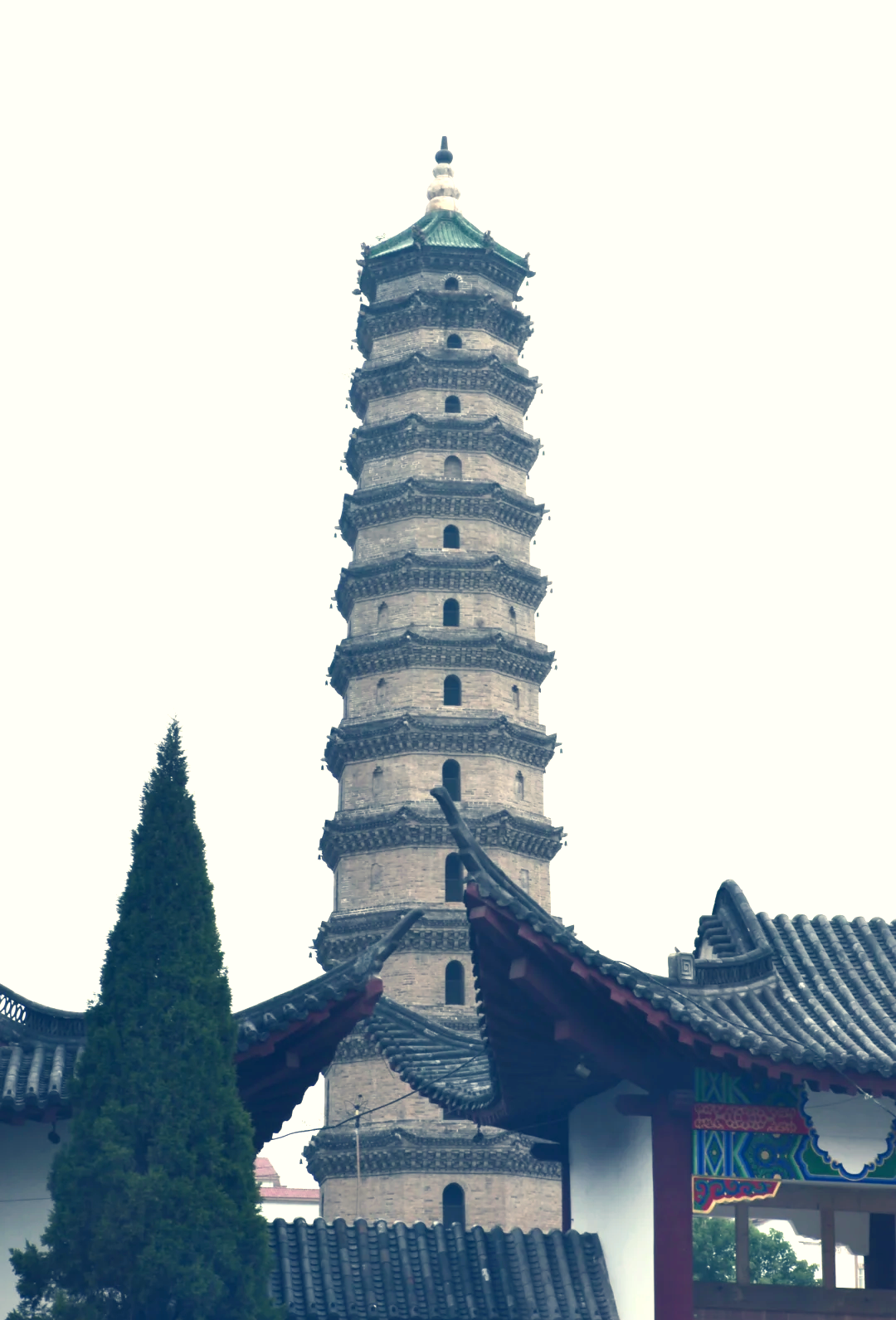 Standing atop Yanshan Hill since 947 AD, Wenfeng Pagoda predates many of Europe's most cherished medieval towers. While Europe's surviving Romanesque belfries and Gothic spires were still centuries away from construction, the Liao dynasty—a Khitan-ruled empire contemporary with England's Anglo-Saxon kings—was already perfecting its distinctive brick-pagoda style across northern China. The original tower weathered ten centuries of dynastic change, from the Liao through the Qing, before being shattered by the catastrophic 7.5-magnitude Tangshan earthquake of 1976, one of the deadliest tremors of the twentieth century. A meticulous reconstruction completed in 2011 has restored the pagoda to its full glory using authentic Liao-era design principles, making it both an archaeological reconstruction and a living monument.
The pagoda exemplifies the classic Liao-dynasty "dense-eave" style, often compared to the tiered silhouettes of Italian Romanesque campaniles or the steeply pitched roofs of Scandinavian stave churches in their rhythmic, ascending forms. Rising 32.67 meters in thirteen tapering octagonal tiers, the structure features subtly upturned corners that soften its profile against the sky. Stone inscriptions carved directly into the brickwork proclaim poetic phrases such as "Wenfeng Pagoda" and "Piercing the Firmament" in calligraphic boldness. Visitors can climb interior brick-and-wood stairs to the third level, where observation landings offer intimate encounters with the tower's structural anatomy before the upper tiers remain closed to the public.
At the pagoda's heart sits a shrine to Kuixing, the deified scholar whose quill and inkstone govern literary destiny—China's equivalent of an ancient patron saint of examinations, much as medieval European students invoked Saint Catherine of Alexandria for wisdom and success. For generations, scholars and hopeful examination candidates have climbed these steps seeking his blessing. Just beside the pagoda stands the Ming-dynasty Bixia Yuanjun Temple, a rare northern outpost devoted to a Daoist goddess associated with childbirth and protective care. The convergence of Confucian, Daoist, and folk-Buddhist traditions at this single mountaintop creates a uniquely layered spiritual landscape.
Admission is entirely free, with the site added to Tangshan's roster of complimentary attractions during the May 2025 holiday period. Self-driving visitors can navigate directly to "Yanshan Wenfeng Pagoda Scenic Area," where parking is available at the mountain's base; public transport users should take Luanzhou Bus Route 5 to the "Wenfeng Pagoda" stop. Allow between one and two hours for a comfortable visit. Early morning between 8 and 10 a.m. delivers the softest light for photography and the fewest crowds. Summer visitors should bring sun protection, plenty of water, and insect repellent, while sturdy non-slip shoes are essential for the sloped footpaths.
What sets Wenfeng Pagoda apart is its rare combination of sweeping natural vistas and concentrated historical atmosphere within easy reach of a major industrial city. From the tower's terrace, the Luan River coils below like brushed silver ink, while the heritage rooftops of Luanzhou Old Town spread eastward—a panorama reminiscent of vistas from hilltop monasteries in Tuscany or the Rhine valley. Pair the climb with a stroll through the old town's cobbled lanes, the surviving eastern city wall, and its lively night market for a satisfying half-day cultural excursion that reveals a quieter, older face of China beyond the usual tourist trail.
Standing atop Yanshan Hill since 947 AD, Wenfeng Pagoda predates many of Europe's most cherished medieval towers. While Europe's surviving Romanesque belfries and Gothic spires were still centuries away from construction, the Liao dynasty—a Khitan-ruled empire contemporary with England's Anglo-Saxon kings—was already perfecting its distinctive brick-pagoda style across northern China. The original tower weathered ten centuries of dynastic change, from the Liao through the Qing, before being shattered by the catastrophic 7.5-magnitude Tangshan earthquake of 1976, one of the deadliest tremors of the twentieth century. A meticulous reconstruction completed in 2011 has restored the pagoda to its full glory using authentic Liao-era design principles, making it both an archaeological reconstruction and a living monument.
The pagoda exemplifies the classic Liao-dynasty "dense-eave" style, often compared to the tiered silhouettes of Italian Romanesque campaniles or the steeply pitched roofs of Scandinavian stave churches in their rhythmic, ascending forms. Rising 32.67 meters in thirteen tapering octagonal tiers, the structure features subtly upturned corners that soften its profile against the sky. Stone inscriptions carved directly into the brickwork proclaim poetic phrases such as "Wenfeng Pagoda" and "Piercing the Firmament" in calligraphic boldness. Visitors can climb interior brick-and-wood stairs to the third level, where observation landings offer intimate encounters with the tower's structural anatomy before the upper tiers remain closed to the public.
At the pagoda's heart sits a shrine to Kuixing, the deified scholar whose quill and inkstone govern literary destiny—China's equivalent of an ancient patron saint of examinations, much as medieval European students invoked Saint Catherine of Alexandria for wisdom and success. For generations, scholars and hopeful examination candidates have climbed these steps seeking his blessing. Just beside the pagoda stands the Ming-dynasty Bixia Yuanjun Temple, a rare northern outpost devoted to a Daoist goddess associated with childbirth and protective care. The convergence of Confucian, Daoist, and folk-Buddhist traditions at this single mountaintop creates a uniquely layered spiritual landscape.
Admission is entirely free, with the site added to Tangshan's roster of complimentary attractions during the May 2025 holiday period. Self-driving visitors can navigate directly to "Yanshan Wenfeng Pagoda Scenic Area," where parking is available at the mountain's base; public transport users should take Luanzhou Bus Route 5 to the "Wenfeng Pagoda" stop. Allow between one and two hours for a comfortable visit. Early morning between 8 and 10 a.m. delivers the softest light for photography and the fewest crowds. Summer visitors should bring sun protection, plenty of water, and insect repellent, while sturdy non-slip shoes are essential for the sloped footpaths.
What sets Wenfeng Pagoda apart is its rare combination of sweeping natural vistas and concentrated historical atmosphere within easy reach of a major industrial city. From the tower's terrace, the Luan River coils below like brushed silver ink, while the heritage rooftops of Luanzhou Old Town spread eastward—a panorama reminiscent of vistas from hilltop monasteries in Tuscany or the Rhine valley. Pair the climb with a stroll through the old town's cobbled lanes, the surviving eastern city wall, and its lively night market for a satisfying half-day cultural excursion that reveals a quieter, older face of China beyond the usual tourist trail.