Yanghu Wetland Park
⭐ 4.60
Yanghu Wetland Scenic Area, Changsha City, Hunan Province, China
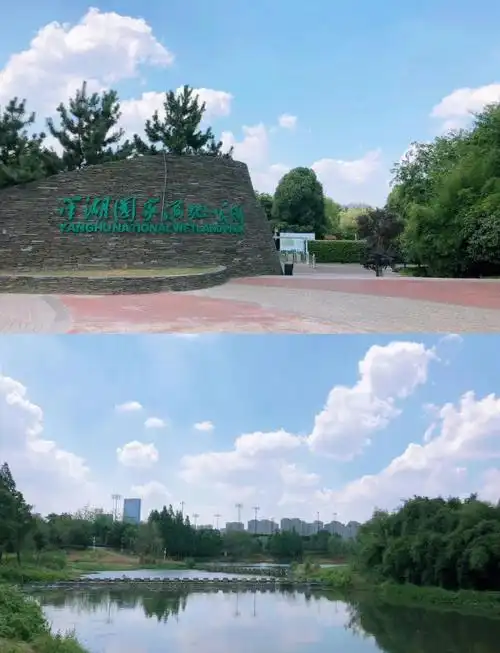 Stepping back into history, the Yanghu floodplain was once a patchwork of rice paddies and low-lying farmland cradled by the Xiangjiang, the same river that has flowed past Changsha since the Western Zhou dynasty founded the city some 3,000 years ago. The site might remind travelers of how Romans drained lowlands around the Tiber or how Amsterdam reclaimed its marshes—both stories of turning vulnerable wetland into civic treasure. After systematic restoration in 2011, engineers and ecologists transformed these former fields into a showcase of modern ecological engineering, harvesting floodwater, filtering pollutants, and stitching habitats back together for migratory birds traveling the East Asian–Australasian Flyway.
The park's design philosophy deliberately avoids the manicured formality of European Baroque gardens, opting instead for a layered, semi-wild landscape. Boardwalks of timber and weathered steel thread through tall reed beds, past shimmering lotus pools, and beneath cathedral-like stands of dawn redwood—much like a feathered cousin to New England's autumn maple forests, but in watery miniature. An observation tower known as the Egret Tower rises above the canopy, offering binocular-ready views of great egrets, night herons, and cormorants hunting in the shallows. A modest wetland education center anchors the southern end with kid-friendly interactive exhibits.
Culturally, the surrounding Yuhu district has emerged as Changsha's answer to Beijing's 798 Art Zone or London's South Bank. Just beyond the park gates sit the sleek Xiezilong Image Art Museum and the Li Zijian Art Museum, both privately founded and free to enter, while the recreated Yanghu Water Street brings together Hunan cuisine, tea houses, and craft shops in a lantern-hung pedestrian quarter. This pairing of nature and contemporary culture echoes how New York combines Central Park with the neighboring Met, allowing visitors to stitch together a full day of greenery, galleries, and Hunan's famously fiery cuisine.
Getting there is refreshingly simple. Take Metro Line 3 to Yanghu Wetland Station, exit through Gate 2, and walk about 500 meters to the South Gate entrance—no tickets, no reservations, no queues. The wetland education center operates Tuesday through Sunday, 09:30 to 16:30, while the park itself runs from 07:00 to 21:30 in summer (closing slightly earlier in winter), with entry permitted until 30 minutes before closing. Comfortable flat shoes, sunscreen, water, and mosquito repellent are essentials, especially along the shaded boardwalks.
The reward for all this effort is a four-season palette: golden rapeseed blooms in spring, lotus fireworks in summer, rustling amber reeds in autumn, and quietly skeletal redwoods reflected in still winter waters. Visiting at dawn or dusk offers cooler temperatures, softer light favored by photographers, and the best chances of spotting egrets fishing in golden mist. For lunch or souvenirs, the adjacent IKEA-powered LIVAT shopping complex and Longhu Paradise Walk provide every Western comfort from coffee chains to bubble tea, making Yanghu not just a nature retreat but a complete cultural half-day within a city that has been welcoming travelers for three millennia.
Stepping back into history, the Yanghu floodplain was once a patchwork of rice paddies and low-lying farmland cradled by the Xiangjiang, the same river that has flowed past Changsha since the Western Zhou dynasty founded the city some 3,000 years ago. The site might remind travelers of how Romans drained lowlands around the Tiber or how Amsterdam reclaimed its marshes—both stories of turning vulnerable wetland into civic treasure. After systematic restoration in 2011, engineers and ecologists transformed these former fields into a showcase of modern ecological engineering, harvesting floodwater, filtering pollutants, and stitching habitats back together for migratory birds traveling the East Asian–Australasian Flyway.
The park's design philosophy deliberately avoids the manicured formality of European Baroque gardens, opting instead for a layered, semi-wild landscape. Boardwalks of timber and weathered steel thread through tall reed beds, past shimmering lotus pools, and beneath cathedral-like stands of dawn redwood—much like a feathered cousin to New England's autumn maple forests, but in watery miniature. An observation tower known as the Egret Tower rises above the canopy, offering binocular-ready views of great egrets, night herons, and cormorants hunting in the shallows. A modest wetland education center anchors the southern end with kid-friendly interactive exhibits.
Culturally, the surrounding Yuhu district has emerged as Changsha's answer to Beijing's 798 Art Zone or London's South Bank. Just beyond the park gates sit the sleek Xiezilong Image Art Museum and the Li Zijian Art Museum, both privately founded and free to enter, while the recreated Yanghu Water Street brings together Hunan cuisine, tea houses, and craft shops in a lantern-hung pedestrian quarter. This pairing of nature and contemporary culture echoes how New York combines Central Park with the neighboring Met, allowing visitors to stitch together a full day of greenery, galleries, and Hunan's famously fiery cuisine.
Getting there is refreshingly simple. Take Metro Line 3 to Yanghu Wetland Station, exit through Gate 2, and walk about 500 meters to the South Gate entrance—no tickets, no reservations, no queues. The wetland education center operates Tuesday through Sunday, 09:30 to 16:30, while the park itself runs from 07:00 to 21:30 in summer (closing slightly earlier in winter), with entry permitted until 30 minutes before closing. Comfortable flat shoes, sunscreen, water, and mosquito repellent are essentials, especially along the shaded boardwalks.
The reward for all this effort is a four-season palette: golden rapeseed blooms in spring, lotus fireworks in summer, rustling amber reeds in autumn, and quietly skeletal redwoods reflected in still winter waters. Visiting at dawn or dusk offers cooler temperatures, softer light favored by photographers, and the best chances of spotting egrets fishing in golden mist. For lunch or souvenirs, the adjacent IKEA-powered LIVAT shopping complex and Longhu Paradise Walk provide every Western comfort from coffee chains to bubble tea, making Yanghu not just a nature retreat but a complete cultural half-day within a city that has been welcoming travelers for three millennia.