Dagang, Zhenjiang New Area
⭐ 3.20
Dagang, Zhenjiang New Area, Zhenjiang City, Jiangsu Province, China
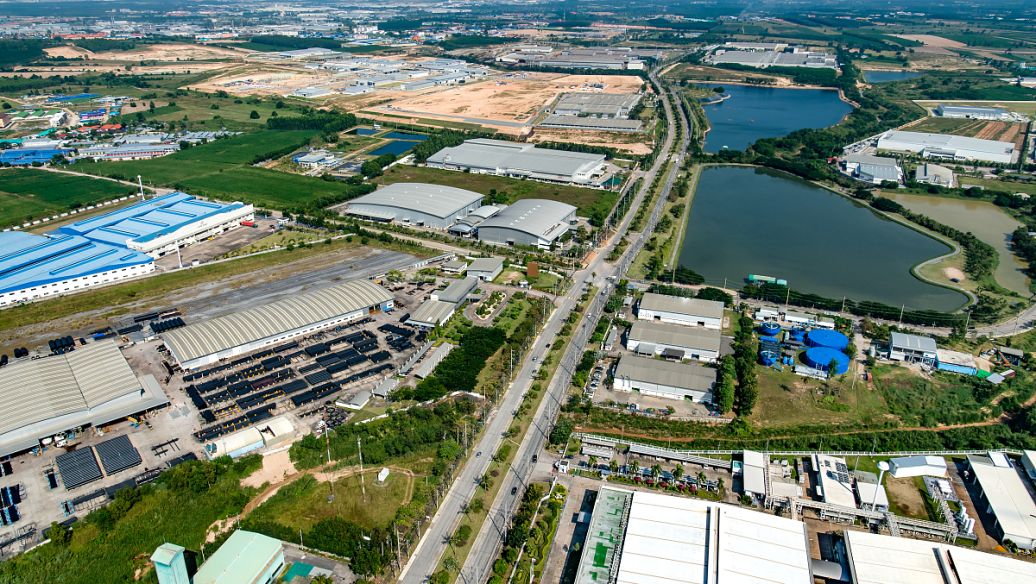 Dagang sits at the heart of Zhenjiang Economic and Technological Development Zone, ranking as China's third-largest inland river port after facilities in Suzhou and Nanjing. The district's broad boulevards, gleaming container terminals, and gantry-lined quays evoke the industrial confidence of Rotterdam or Hamburg, but here the backdrop is the timeless Yangtze River. Stretching some 6,300 kilometres from the Tibetan Plateau to the East China Sea, this waterway has carried trade and armies since antiquity, making Dagang a fitting modern chapter in that very long story.
Beihu Park anchors the district's leisure scene and earned national A3A tourist rating. Its showpiece is Zhenjiang's first 88-metre Ferris wheel, a silhouette reminiscent of the London Eye that glows spectacularly after dusk. Surrounding the lake are choreographed musical fountains, a children's playground, and generous lawns where families sprawl on weekends. While the park itself is free, certain rides and attractions charge individually, and crowds remain comfortable compared with central Suzhou or Hangzhou.
Yinshan Park rises on the district's southern flank and carries AA-grade scenic status. The walk up to Phoenix Pavilion rewards visitors with commanding panoramas over the Yangtze and the container port's forest of cranes. Within the grounds, replicas of Western Zhou bronze ritual vessels—echoing treasures like those unearthed at Sanxingdui and comparable in spirit to Mycenaean grave goods—anchor an open-air museum of Wu civilisation, the ancient culture that flourished along this stretch of coast two millennia before Christ.
Human history takes a more recent turn at the Zhao Boxian Former Residence, a provincial cultural relic preserving the childhood home of Zhao Sheng (1879–1911), a martyr of the Xinhai Revolution that toppled the Qing Dynasty in 1911—often compared to the fall of Europe's Romanovs in its suddenness and symbolic weight. The modest courtyard reveals period furnishings and revolutionary artefacts. Visitors must register on-site to enter, and the museum closes on Mondays, so plan accordingly.
Practical matters deserve attention. The attractions spread across several kilometres, making a taxi or ride-hailing app the most efficient way to connect them; public buses run but on limited schedules. Most vendors and ticket counters accept only mobile payments such as WeChat Pay or Alipay, so foreign visitors should arrange these in advance or carry sufficient cash. Allow half a day for highlights and a full day if you wish to combine sunset Ferris wheel views with photography of the working harbour.
Dagang sits at the heart of Zhenjiang Economic and Technological Development Zone, ranking as China's third-largest inland river port after facilities in Suzhou and Nanjing. The district's broad boulevards, gleaming container terminals, and gantry-lined quays evoke the industrial confidence of Rotterdam or Hamburg, but here the backdrop is the timeless Yangtze River. Stretching some 6,300 kilometres from the Tibetan Plateau to the East China Sea, this waterway has carried trade and armies since antiquity, making Dagang a fitting modern chapter in that very long story.
Beihu Park anchors the district's leisure scene and earned national A3A tourist rating. Its showpiece is Zhenjiang's first 88-metre Ferris wheel, a silhouette reminiscent of the London Eye that glows spectacularly after dusk. Surrounding the lake are choreographed musical fountains, a children's playground, and generous lawns where families sprawl on weekends. While the park itself is free, certain rides and attractions charge individually, and crowds remain comfortable compared with central Suzhou or Hangzhou.
Yinshan Park rises on the district's southern flank and carries AA-grade scenic status. The walk up to Phoenix Pavilion rewards visitors with commanding panoramas over the Yangtze and the container port's forest of cranes. Within the grounds, replicas of Western Zhou bronze ritual vessels—echoing treasures like those unearthed at Sanxingdui and comparable in spirit to Mycenaean grave goods—anchor an open-air museum of Wu civilisation, the ancient culture that flourished along this stretch of coast two millennia before Christ.
Human history takes a more recent turn at the Zhao Boxian Former Residence, a provincial cultural relic preserving the childhood home of Zhao Sheng (1879–1911), a martyr of the Xinhai Revolution that toppled the Qing Dynasty in 1911—often compared to the fall of Europe's Romanovs in its suddenness and symbolic weight. The modest courtyard reveals period furnishings and revolutionary artefacts. Visitors must register on-site to enter, and the museum closes on Mondays, so plan accordingly.
Practical matters deserve attention. The attractions spread across several kilometres, making a taxi or ride-hailing app the most efficient way to connect them; public buses run but on limited schedules. Most vendors and ticket counters accept only mobile payments such as WeChat Pay or Alipay, so foreign visitors should arrange these in advance or carry sufficient cash. Allow half a day for highlights and a full day if you wish to combine sunset Ferris wheel views with photography of the working harbour.