Tomb of Zhang Xianzhong
⭐ 3.20
Zhang Xianzhong's Tomb, Shihe District, Xinyang City, Henan Province, China
 Zhang Xianzhong (1606–1647) led one of the great peasant uprisings that convulsed China during the final collapse of the Ming Dynasty, an event often compared in scale to the contemporary Thirty Years' War devastating central Europe. After carving out a short-lived "Great Western" regime in Sichuan, he was killed by a Qing archer while fighting near Phoenix Mountain; his followers buried him on the spot. For world historians, the site offers a tangible connection to the Manchu conquest era—the same generation that saw the fall of Ming Beijing to Li Zicheng and the rise of the Shunzhi Emperor, reshaping East Asia for the next two and a half centuries.
The landscape itself is the main monument. Phoenix Mountain's wooded ridges still preserve the rough terrain of a 17th-century battlefield: the encampment where Zhang's troops once raised their banners sits on Flag-Planting Peak, while Arrow-Struck Ridge (Daijian Ling) is the precise slope where the rebel leader was shot. Scattered along the trails, visitors can spot rusted arrowheads, stirrups, and blades—silent relics that bring the conflict vividly close. Crowning the mountain is Guifeng Chan Temple, a recently rebuilt Huayan Buddhist monastery linked to the Tang-dynasty master Zongmi, whose grand halls provide a striking counterpoint to the raw military archaeology below.
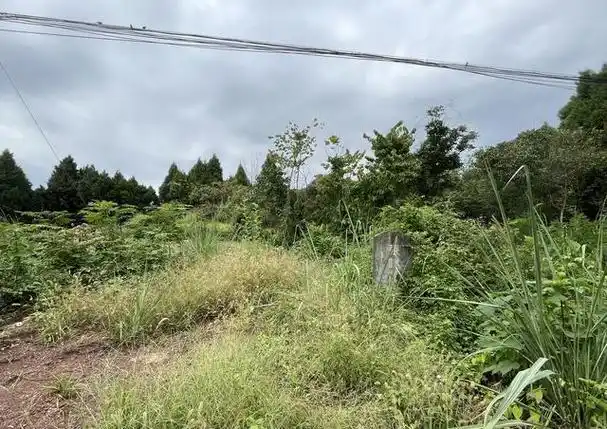
Culturally, this is one of the few places in northern Sichuan directly tied to the late-Ming peasant wars, making it a genuine pilgrimage site for those interested in Chinese social history rather than imperial grandeur. The simple modern tombstone marking Zhang's grave stands unpretentiously amid the grass—a contrast to the elaborate mausoleums of emperors, and a reminder that China's dynastic transitions were shaped as much by desperate rural armies as by court intrigue. For travellers who have marvelled at the Ming Tombs near Beijing or the Ming-era city walls of Xi'an, Phoenix Mountain offers a grittier, more human chapter of the same era.
The park is free and open to the public year-round, with no advance booking required—foreign visitors need only carry a valid passport. The drive from Nanchong city is roughly 40 kilometres, about an hour by car, while rural buses from Xichong county town stop near the mountain's base. Trails are partly unpaved and can grow dim after dusk, so plan to arrive in morning daylight, wear sturdy non-slip shoes, and carry your own drinking water, as on-site amenities are minimal. Weekday visits offer the strongest atmosphere.
A typical loop—Flag-Planting Peak, Guifeng Temple, the tombstone, and Arrow-Struck Ridge—takes around two hours and rewards walkers with broad panoramas over the patchwork rice fields and bamboo groves of the Sichuan basin. After descending, travellers can sample northern Sichuan street food in Xichong, from sticky rice cakes to fiery mǐ dòufu, and easily continue to the ancient walled town of Langzhong or Nanchong's West Mountain scenic area. For visitors seeking an unpolished, history-soaked corner of China away from the great tourist circuits, Zhang Xianzhong's Tomb delivers atmosphere and authenticity in equal measure.
Zhang Xianzhong (1606–1647) led one of the great peasant uprisings that convulsed China during the final collapse of the Ming Dynasty, an event often compared in scale to the contemporary Thirty Years' War devastating central Europe. After carving out a short-lived "Great Western" regime in Sichuan, he was killed by a Qing archer while fighting near Phoenix Mountain; his followers buried him on the spot. For world historians, the site offers a tangible connection to the Manchu conquest era—the same generation that saw the fall of Ming Beijing to Li Zicheng and the rise of the Shunzhi Emperor, reshaping East Asia for the next two and a half centuries.
The landscape itself is the main monument. Phoenix Mountain's wooded ridges still preserve the rough terrain of a 17th-century battlefield: the encampment where Zhang's troops once raised their banners sits on Flag-Planting Peak, while Arrow-Struck Ridge (Daijian Ling) is the precise slope where the rebel leader was shot. Scattered along the trails, visitors can spot rusted arrowheads, stirrups, and blades—silent relics that bring the conflict vividly close. Crowning the mountain is Guifeng Chan Temple, a recently rebuilt Huayan Buddhist monastery linked to the Tang-dynasty master Zongmi, whose grand halls provide a striking counterpoint to the raw military archaeology below.
Culturally, this is one of the few places in northern Sichuan directly tied to the late-Ming peasant wars, making it a genuine pilgrimage site for those interested in Chinese social history rather than imperial grandeur. The simple modern tombstone marking Zhang's grave stands unpretentiously amid the grass—a contrast to the elaborate mausoleums of emperors, and a reminder that China's dynastic transitions were shaped as much by desperate rural armies as by court intrigue. For travellers who have marvelled at the Ming Tombs near Beijing or the Ming-era city walls of Xi'an, Phoenix Mountain offers a grittier, more human chapter of the same era.
The park is free and open to the public year-round, with no advance booking required—foreign visitors need only carry a valid passport. The drive from Nanchong city is roughly 40 kilometres, about an hour by car, while rural buses from Xichong county town stop near the mountain's base. Trails are partly unpaved and can grow dim after dusk, so plan to arrive in morning daylight, wear sturdy non-slip shoes, and carry your own drinking water, as on-site amenities are minimal. Weekday visits offer the strongest atmosphere.
A typical loop—Flag-Planting Peak, Guifeng Temple, the tombstone, and Arrow-Struck Ridge—takes around two hours and rewards walkers with broad panoramas over the patchwork rice fields and bamboo groves of the Sichuan basin. After descending, travellers can sample northern Sichuan street food in Xichong, from sticky rice cakes to fiery mǐ dòufu, and easily continue to the ancient walled town of Langzhong or Nanchong's West Mountain scenic area. For visitors seeking an unpolished, history-soaked corner of China away from the great tourist circuits, Zhang Xianzhong's Tomb delivers atmosphere and authenticity in equal measure.