Ciqikou Ancient Town
⭐ 4.20
No. 1, Ciqikou South Street, Shapingba District, Chongqing, China
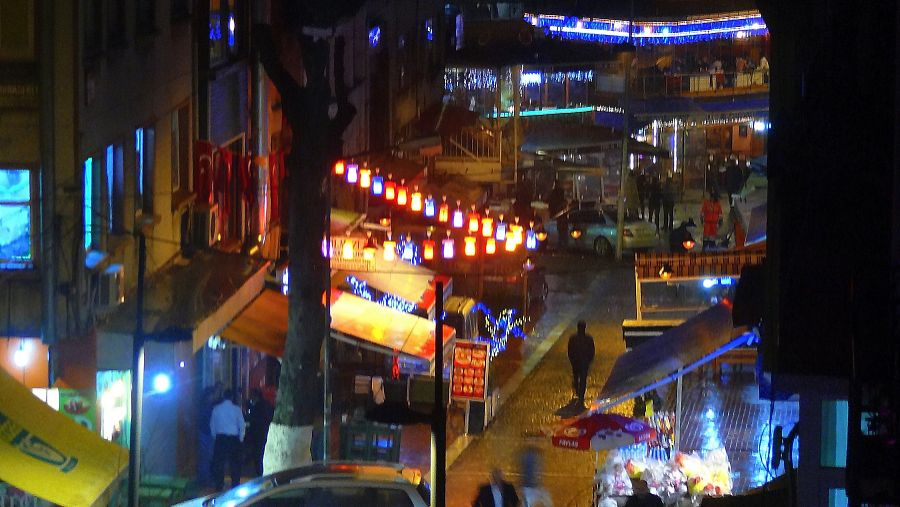 Dating to the Song dynasty and originally called Baiyan Market, Ciqikou took its current name in the Qing era when porcelain trading made it the Jialing River's busiest inland port—at its peak, "a thousand hands waving by day, ten thousand lamps glowing by night." Echoing the porcelain boom that lifted Meissen and Delft in 17th-century Europe, this riverside hub channeled goods between Chongqing and the wider empire. A legend links the town to the deposed Ming Emperor Jianwen, said to have hidden here in disguise, lending the place a mystique reminiscent of royal hideaways along Germany's Rhine.
The town's dendritic street pattern branches across 42 lanes, weaving stepped flagstone alleys between tiered Qing-era stilt houses that rise like wooden scaffolding against the hillside—a riverside vernacular comparable to the half-timbered fachwerk towns of medieval Bavaria or the piled waterfront dwellings of Burano. Core landmarks include the Southern Dynasties-era Baolun Temple, the Qing-dynasty Hanlin Academy private school, and the Zhong Family Courtyard, regarded as a model of eastern Sichuan residential design. Buddhist, Daoist, and Confucian shrines stand within steps of one another, a syncretism rare in modern China.
Ciqikou serves as a living showcase of Ba-Yu culture, the regional heritage of the Chongqing basin. In weathered teahouses patrons sip steaming gaiwan tea—the Sichuan answer to London's gentlemen's clubs or Vienna's coffeehouses—while performers unleash the dramatic flair of Sichuan opera, whose lightning-fast face-changing tradition ranks alongside Italian commedia dell'arte and Japanese kabuki as one of the great theatrical arts of Asia. Artisans pound sticky rice cakes, blow sugar into edible sculptures, and twist mahua dough by hand, transforming the lanes into an open-air museum where centuries-old crafts remain everyday commerce.
Designated a National AAAA scenic area and Historic Cultural Street, Ciqikou opens its lanes free of charge, though small museums and opera performances charge separate fees. The most convenient access is Metro Line 1 to Ciqikou Station, a 300-meter walk to the main gate; numerous buses also serve the west entrance. Allow two to three hours for a quick food-and-photo loop, or four to six hours for a deeper visit including teahouse seating, museums, and the hip back-street quarter with its contemporary cafés and creative shops.
Street food is the main event: the "new three treasures"—mawxuewang (spicy blood curd), chicken offal, and crispy twisted mahua—are must-tries, while "old three treasures" like pressed tofu sheets and salt-pepper peanuts offer subtler flavors. Sour-spicy noodles, ice jelly, and hand-beaten pastries round out the snacking. Compare prices across multiple mahua shops before buying, and treat "free tasting" invitations with caution. For an unforgettable evening, the nearby immersive stage play Chongqing·1949 brings wartime history vividly to life, while the 24-hour back-street scene keeps the lights burning after dark.
Dating to the Song dynasty and originally called Baiyan Market, Ciqikou took its current name in the Qing era when porcelain trading made it the Jialing River's busiest inland port—at its peak, "a thousand hands waving by day, ten thousand lamps glowing by night." Echoing the porcelain boom that lifted Meissen and Delft in 17th-century Europe, this riverside hub channeled goods between Chongqing and the wider empire. A legend links the town to the deposed Ming Emperor Jianwen, said to have hidden here in disguise, lending the place a mystique reminiscent of royal hideaways along Germany's Rhine.
The town's dendritic street pattern branches across 42 lanes, weaving stepped flagstone alleys between tiered Qing-era stilt houses that rise like wooden scaffolding against the hillside—a riverside vernacular comparable to the half-timbered fachwerk towns of medieval Bavaria or the piled waterfront dwellings of Burano. Core landmarks include the Southern Dynasties-era Baolun Temple, the Qing-dynasty Hanlin Academy private school, and the Zhong Family Courtyard, regarded as a model of eastern Sichuan residential design. Buddhist, Daoist, and Confucian shrines stand within steps of one another, a syncretism rare in modern China.
Ciqikou serves as a living showcase of Ba-Yu culture, the regional heritage of the Chongqing basin. In weathered teahouses patrons sip steaming gaiwan tea—the Sichuan answer to London's gentlemen's clubs or Vienna's coffeehouses—while performers unleash the dramatic flair of Sichuan opera, whose lightning-fast face-changing tradition ranks alongside Italian commedia dell'arte and Japanese kabuki as one of the great theatrical arts of Asia. Artisans pound sticky rice cakes, blow sugar into edible sculptures, and twist mahua dough by hand, transforming the lanes into an open-air museum where centuries-old crafts remain everyday commerce.
Designated a National AAAA scenic area and Historic Cultural Street, Ciqikou opens its lanes free of charge, though small museums and opera performances charge separate fees. The most convenient access is Metro Line 1 to Ciqikou Station, a 300-meter walk to the main gate; numerous buses also serve the west entrance. Allow two to three hours for a quick food-and-photo loop, or four to six hours for a deeper visit including teahouse seating, museums, and the hip back-street quarter with its contemporary cafés and creative shops.
Street food is the main event: the "new three treasures"—mawxuewang (spicy blood curd), chicken offal, and crispy twisted mahua—are must-tries, while "old three treasures" like pressed tofu sheets and salt-pepper peanuts offer subtler flavors. Sour-spicy noodles, ice jelly, and hand-beaten pastries round out the snacking. Compare prices across multiple mahua shops before buying, and treat "free tasting" invitations with caution. For an unforgettable evening, the nearby immersive stage play Chongqing·1949 brings wartime history vividly to life, while the 24-hour back-street scene keeps the lights burning after dark.