Henan Provincial Intangible Cultural Heritage Museum
⭐ 3.80
Northwest corner of the intersection of Wenhua Road and Dongfeng Road, Jinshui District, Zhengzhou City, Henan Province, China
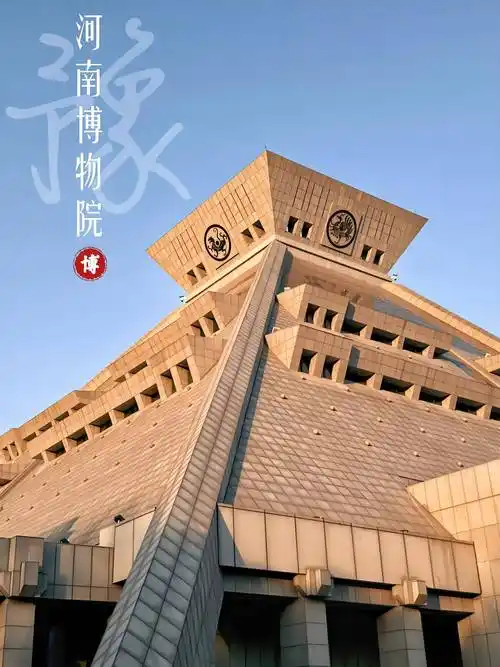 Henan is often compared to Mesopotamia or the Nile Valley as a birthplace of human civilization. With over 3,000 years of recorded history, the province is the ancestral home of Han Chinese culture, the Yellow River dynasties, and iconic traditions including Tai Chi (now a UNESCO treasure alongside yoga and capoeira as recognized movement heritages) and Yu opera, a regional performance art as expressive as Italian commedia dell'arte. The two museums in Zhengzhou safeguard hundreds of national and provincial intangible heritage items, ranging from Jun porcelain and Zhuxianzhen woodblock prints to lion dances and intricate paper cutting.
The Henan Provincial Museum occupies a converted art gallery in the Zhengdong New District, a futuristic commercial zone often likened to London's Canary Wharf or Paris's La Défense. Spanning roughly 11,000 square meters with a 380 million yuan renovation, the building combines soaring modern halls with sleek digital installations. Visitors journey through knowledge-graph walls and VR experiences that map the entire Central Plains heritage network, making it an ideal introduction for tech-minded travelers and culture enthusiasts alike.
The Zhengzhou Municipal Exhibition Hall, opened in 2014, offers a more intimate atmosphere in just 1,500 square meters. Located near the intersection of Songshan and Zhongyuan roads in the older part of town, it spotlights city-level treasures such as Xiaoxiang lion dancing and Song Mountain woodcarving. The displays feel closer to folk-life museums in Scandinavia or Tuscany's ethnographic collections, emphasizing everyday craftsmanship over grand narrative. Friendly local guides help bridge cultural gaps for foreign visitors.
Both venues host hands-on workshops covering paper cutting, dough modeling, traditional rubbing, and Chinese knotting. The provincial museum features the most elaborate interactive stations, while the municipal hall focuses on guided practice, allowing visitors to complete their own souvenir piece under the watchful eye of master artisans. These experiences rival the artisan ateliers of Florence or the craft workshops in Kyoto, providing tactile connections to centuries-old techniques.
Admission is free at both museums, which operate Tuesday through Sunday with Monday closures for maintenance. The provincial site benefits from excellent metro and bus connections within the CBD; the municipal hall sits amid historic neighborhoods perfect for sampling local street food afterward. Travelers should check official websites for special exhibition reservations and allow two to three hours per visit. Light-colored clothing is recommended for photographs, and a translation app will enhance understanding of detailed exhibit panels. Families and cultural researchers should prioritize the interactive zones, while those with extra time can extend their journey to Dengfeng's Twenty-Four Solar Terms heritage sites or Kaifeng's historic woodblock print workshops.
Henan is often compared to Mesopotamia or the Nile Valley as a birthplace of human civilization. With over 3,000 years of recorded history, the province is the ancestral home of Han Chinese culture, the Yellow River dynasties, and iconic traditions including Tai Chi (now a UNESCO treasure alongside yoga and capoeira as recognized movement heritages) and Yu opera, a regional performance art as expressive as Italian commedia dell'arte. The two museums in Zhengzhou safeguard hundreds of national and provincial intangible heritage items, ranging from Jun porcelain and Zhuxianzhen woodblock prints to lion dances and intricate paper cutting.
The Henan Provincial Museum occupies a converted art gallery in the Zhengdong New District, a futuristic commercial zone often likened to London's Canary Wharf or Paris's La Défense. Spanning roughly 11,000 square meters with a 380 million yuan renovation, the building combines soaring modern halls with sleek digital installations. Visitors journey through knowledge-graph walls and VR experiences that map the entire Central Plains heritage network, making it an ideal introduction for tech-minded travelers and culture enthusiasts alike.
The Zhengzhou Municipal Exhibition Hall, opened in 2014, offers a more intimate atmosphere in just 1,500 square meters. Located near the intersection of Songshan and Zhongyuan roads in the older part of town, it spotlights city-level treasures such as Xiaoxiang lion dancing and Song Mountain woodcarving. The displays feel closer to folk-life museums in Scandinavia or Tuscany's ethnographic collections, emphasizing everyday craftsmanship over grand narrative. Friendly local guides help bridge cultural gaps for foreign visitors.
Both venues host hands-on workshops covering paper cutting, dough modeling, traditional rubbing, and Chinese knotting. The provincial museum features the most elaborate interactive stations, while the municipal hall focuses on guided practice, allowing visitors to complete their own souvenir piece under the watchful eye of master artisans. These experiences rival the artisan ateliers of Florence or the craft workshops in Kyoto, providing tactile connections to centuries-old techniques.
Admission is free at both museums, which operate Tuesday through Sunday with Monday closures for maintenance. The provincial site benefits from excellent metro and bus connections within the CBD; the municipal hall sits amid historic neighborhoods perfect for sampling local street food afterward. Travelers should check official websites for special exhibition reservations and allow two to three hours per visit. Light-colored clothing is recommended for photographs, and a translation app will enhance understanding of detailed exhibit panels. Families and cultural researchers should prioritize the interactive zones, while those with extra time can extend their journey to Dengfeng's Twenty-Four Solar Terms heritage sites or Kaifeng's historic woodblock print workshops.