Zheng-Han Ancient City Ruins
⭐ 3.20
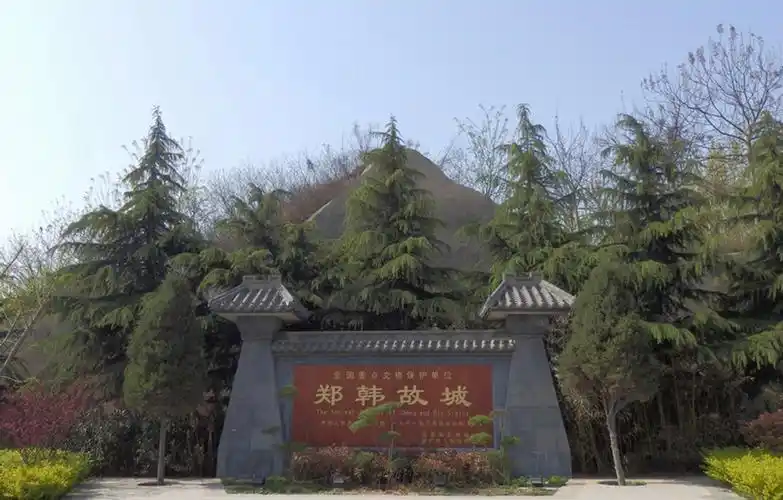
Zheng-Han Ancient City Ruins, Xinzheng City, Zhengzhou, Henan Province, China
 **Historical Context**
During the Eastern Zhou Dynasty (770–256 BCE), China fragmented into warring kingdoms much like contemporary ancient Greece. The Zheng-Han Ancient City served as capital for two successive states, Zheng and Han, spanning the Spring and Autumn and Warring States periods. For 539 years, this political powerhouse witnessed the collapse of feudal ritual order—a Chinese parallel to the upheavals that reshaped the Mediterranean world from Athens to Rome. It remains essential to understanding how China transitioned from aristocratic rule to imperial unification.
**Architecture**
The site's defining feature is its 20-kilometer rammed-earth perimeter wall, still standing up to 18 meters high and 60 meters thick in places—comparable in scale to the Cyclopean walls of Mycenae or the Servian Wall of early Rome. Inside, archaeologists have identified palace zones, craft workshops, aristocratic tombs, and the celebrated Zheng State Chariot Pits, where over 40 war chariots and 124 horses were buried in ritual display, evoking ceremonies reminiscent of Homeric warrior culture.
**Cultural Significance**
The ruins gave birth to two legendary cultural treasures: the Lotus and Crane Square Vessel, a bronze masterpiece hailed as the "swan song" of Bronze Age artistry now housed in the Xinzheng Museum, and the folk songs of the Book of Songs' "Zheng Airs" collection—the earliest recorded romantic poetry of the Chinese heartland. Together they illuminate the refinement that flourished even amid civilizational turmoil.
**Practical Visit Information**
The park is free and open daily, comprising four sections: the City Wall Heritage Park, Palace City Ruins, Chariot Pits Museum, and Zheng Folk Culture Garden. Located in Xinzheng City, it is reachable from Zhengzhou East Station via intercity rail to Xinzheng Airport Station. No English signage or guides are available, so bring a translation app. Self-driving or hiring a car is strongly recommended.
**Why Visit**
For travelers seeking China's ancient soul beyond the Great Wall and Terracotta Warriors, the Zheng-Han Ancient City offers raw, authentic authenticity—endless earthen ramparts stretching across modern farmland, punctuated by buried chariots frozen mid-eternity. Pair your visit with the neighboring Xinzheng Museum to see the Lotus-Crane Vessel firsthand, allowing at least half a day for proper exploration, ideally in spring or autumn.
**Historical Context**
During the Eastern Zhou Dynasty (770–256 BCE), China fragmented into warring kingdoms much like contemporary ancient Greece. The Zheng-Han Ancient City served as capital for two successive states, Zheng and Han, spanning the Spring and Autumn and Warring States periods. For 539 years, this political powerhouse witnessed the collapse of feudal ritual order—a Chinese parallel to the upheavals that reshaped the Mediterranean world from Athens to Rome. It remains essential to understanding how China transitioned from aristocratic rule to imperial unification.
**Architecture**
The site's defining feature is its 20-kilometer rammed-earth perimeter wall, still standing up to 18 meters high and 60 meters thick in places—comparable in scale to the Cyclopean walls of Mycenae or the Servian Wall of early Rome. Inside, archaeologists have identified palace zones, craft workshops, aristocratic tombs, and the celebrated Zheng State Chariot Pits, where over 40 war chariots and 124 horses were buried in ritual display, evoking ceremonies reminiscent of Homeric warrior culture.
**Cultural Significance**
The ruins gave birth to two legendary cultural treasures: the Lotus and Crane Square Vessel, a bronze masterpiece hailed as the "swan song" of Bronze Age artistry now housed in the Xinzheng Museum, and the folk songs of the Book of Songs' "Zheng Airs" collection—the earliest recorded romantic poetry of the Chinese heartland. Together they illuminate the refinement that flourished even amid civilizational turmoil.
**Practical Visit Information**
The park is free and open daily, comprising four sections: the City Wall Heritage Park, Palace City Ruins, Chariot Pits Museum, and Zheng Folk Culture Garden. Located in Xinzheng City, it is reachable from Zhengzhou East Station via intercity rail to Xinzheng Airport Station. No English signage or guides are available, so bring a translation app. Self-driving or hiring a car is strongly recommended.
**Why Visit**
For travelers seeking China's ancient soul beyond the Great Wall and Terracotta Warriors, the Zheng-Han Ancient City offers raw, authentic authenticity—endless earthen ramparts stretching across modern farmland, punctuated by buried chariots frozen mid-eternity. Pair your visit with the neighboring Xinzheng Museum to see the Lotus-Crane Vessel firsthand, allowing at least half a day for proper exploration, ideally in spring or autumn.