Xing Kiln Site
⭐ 3.20
Xing Kiln Site, Linxi County, Xingtai City, Hebei Province, China
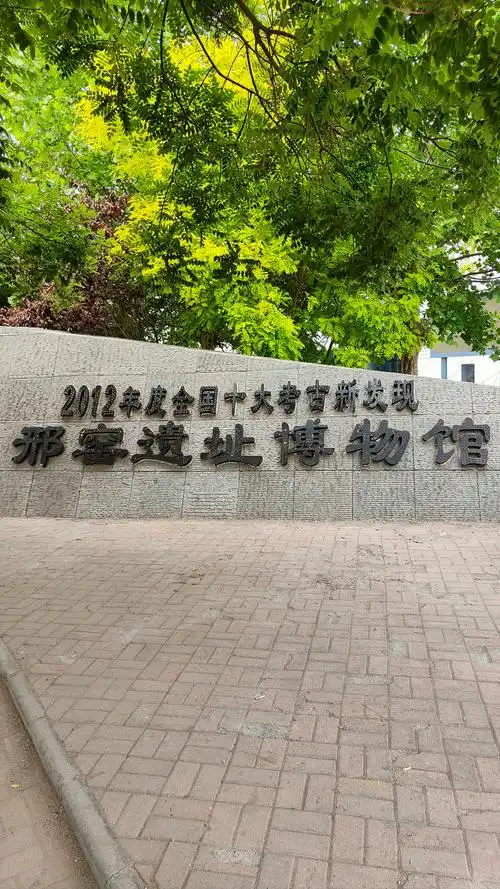 Xing Kiln's production history stretches back to the Northern Dynasties (5th–6th centuries), flourished during the cosmopolitan Tang era, and gradually declined by the Five Dynasties period. Spanning roughly 300 square kilometers across five districts of Xingtai, with over thirty kiln sites dotting the eastern foothills of the Taihang Mountains, this was no small cottage industry—it rivaled contemporary European ceramic centers in scale and ambition. Its white porcelain stood as the northern counterpart to the celadon glazes of southern Yue kilns, together dominating Tang ceramic aesthetics for over two centuries.
The architectural centerpiece is the "Three Museums in One" complex in Neiqiu County. The Xing Kiln Site Museum is China's first museum constructed directly atop an active archaeological excavation, an approach reminiscent of Italy's Pompeii preservation philosophy. Visitors walk elevated suspended corridors above eleven preserved Northern Dynasties through Tang dynasty kilns, ash pits, and wells. Nearby, the China Xing Kiln Museum features a striking bowl-shaped silhouette inspired by Tang dynasty ceramics, its undulating form echoing the very vessels it celebrates.
Beyond its domestic significance, Xing white porcelain traveled the Silk Road to reach markets in Persia, the Abbasid Caliphate, and beyond, making these shards tangible evidence of Tang dynasty globalization. The collection of over 700 treasures includes the prized Tang dynasty "Hanlin-marked" white glazed jar and a rare Sui dynasty yellow-glazed molded flat pot—artifacts that chart the technological evolution of Chinese ceramics and hold irreplaceable value for understanding ancient handicraft industries, technological history, and cross-cultural exchange.
Both museums sit within walking distance in Neiqiu County. Opening hours run Tuesday through Sunday, 9:00 to 17:00, with Monday closures. The site lies approximately 40 minutes by car from Xingtai city center, and self-driving or taxi is strongly recommended over public transit. Flash photography and tripods are prohibited throughout, and certain sensitive areas forbid all photography—signage is clear, but visitors should remain attentive. The air conditioning runs cold in summer, so bring a light layer.
Plan at least a half-day visit, beginning at the Site Museum where audiovisual reconstructions bring ancient kilns to life, then proceeding to the China Xing Kiln Museum for the broader artistic and historical narrative. A professional guide is essential—without one, the technical brilliance of kiln engineering and the cultural weight of individual pieces will largely go unappreciated. Families should reserve time at the Xing Porcelain Cultural Experience Hall for hands-on wheel-throwing and glazing workshops. Those with extra time can combine the visit with nearby Bian Que Temple, dedicated to China's legendary physician.
Xing Kiln's production history stretches back to the Northern Dynasties (5th–6th centuries), flourished during the cosmopolitan Tang era, and gradually declined by the Five Dynasties period. Spanning roughly 300 square kilometers across five districts of Xingtai, with over thirty kiln sites dotting the eastern foothills of the Taihang Mountains, this was no small cottage industry—it rivaled contemporary European ceramic centers in scale and ambition. Its white porcelain stood as the northern counterpart to the celadon glazes of southern Yue kilns, together dominating Tang ceramic aesthetics for over two centuries.
The architectural centerpiece is the "Three Museums in One" complex in Neiqiu County. The Xing Kiln Site Museum is China's first museum constructed directly atop an active archaeological excavation, an approach reminiscent of Italy's Pompeii preservation philosophy. Visitors walk elevated suspended corridors above eleven preserved Northern Dynasties through Tang dynasty kilns, ash pits, and wells. Nearby, the China Xing Kiln Museum features a striking bowl-shaped silhouette inspired by Tang dynasty ceramics, its undulating form echoing the very vessels it celebrates.
Beyond its domestic significance, Xing white porcelain traveled the Silk Road to reach markets in Persia, the Abbasid Caliphate, and beyond, making these shards tangible evidence of Tang dynasty globalization. The collection of over 700 treasures includes the prized Tang dynasty "Hanlin-marked" white glazed jar and a rare Sui dynasty yellow-glazed molded flat pot—artifacts that chart the technological evolution of Chinese ceramics and hold irreplaceable value for understanding ancient handicraft industries, technological history, and cross-cultural exchange.
Both museums sit within walking distance in Neiqiu County. Opening hours run Tuesday through Sunday, 9:00 to 17:00, with Monday closures. The site lies approximately 40 minutes by car from Xingtai city center, and self-driving or taxi is strongly recommended over public transit. Flash photography and tripods are prohibited throughout, and certain sensitive areas forbid all photography—signage is clear, but visitors should remain attentive. The air conditioning runs cold in summer, so bring a light layer.
Plan at least a half-day visit, beginning at the Site Museum where audiovisual reconstructions bring ancient kilns to life, then proceeding to the China Xing Kiln Museum for the broader artistic and historical narrative. A professional guide is essential—without one, the technical brilliance of kiln engineering and the cultural weight of individual pieces will largely go unappreciated. Families should reserve time at the Xing Porcelain Cultural Experience Hall for hands-on wheel-throwing and glazing workshops. Those with extra time can combine the visit with nearby Bian Que Temple, dedicated to China's legendary physician.