Lotus Pond Academy
⭐ 4.50
Lianchi Academy, Lianchi District, Baoding City, Hebei Province, China
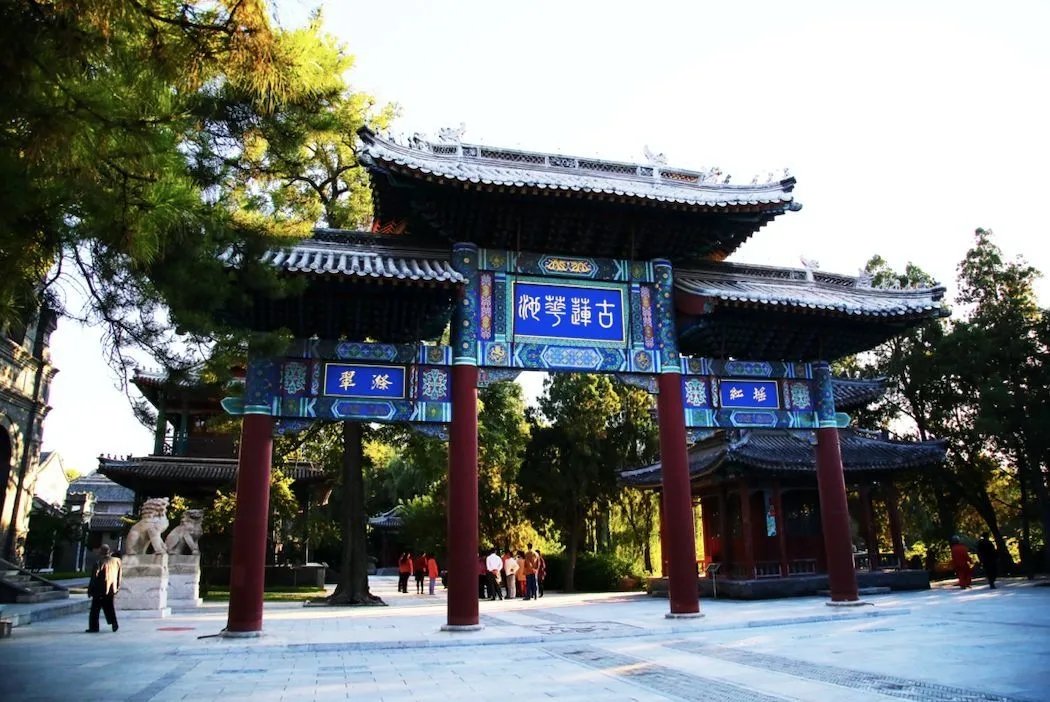 Lotus Pond Academy traces its origins to the Yuan Dynasty (13th century), reaching its golden age during the Ming and Qing eras as the highest seat of learning in Zhili Province—roughly northern China's equivalent of a national university. Imagine the gravity of Oxford's medieval halls or the Sorbonne in its heyday, and you approach the academy's stature: it ranked equally with Yuelu Academy in Hunan and the fabled White Deer Grotto Academy in Jiangxi, forming part of a historic triumvirate of Chinese scholarship. In the 19th century, towering reformers and statesman Zeng Guofan and Li Hongzhang lectured here, training generations of administrators who shaped modern China.
The academy is enshrined within the Ancient Lotus Pond Garden, a masterpiece dating to the Jin-Yuan period that fuses the grandeur of northern Chinese landscaping with the delicate refinement of Jiangnan gardens, much as a stately European garden might balance Versailles-style formality with the intimacy of an Italian villa courtyard. Visitors wander past the Spring Noon Slope, the Glazed Brocade Pavilion, and the Graceful Rainbow Bridge—each structure choreographed around shimmering water, weathered rockeries, and weeping willows. From June through August, the ponds explode with lotus blossoms, creating a scene that has inspired poets for eight centuries.
A covered corridor of stone tablets transforms the visit into an open-air museum of calligraphy. Carved examples span from the Tang Dynasty through the Qing, showcasing every major script style—regular, running, clerical, and seal—making it a treasure trove comparable to studying original manuscripts in the Vatican Library or the British Museum's Asian galleries. For art enthusiasts and history buffs alike, this collection offers rare direct contact with seven centuries of Chinese literary heritage.
The restored academy grounds, including the Ten Thousand Volumes Tower and lecture halls, have been thoughtfully reconstructed to evoke the rhythm of classical Confucian education. Visitors can visualize scholars debating the classics, copying texts, and preparing for imperial examinations—moments that echo the tutorial culture of Oxford and Cambridge or the philosophical dialogues of ancient Athens. Small museums and period displays bring these scholarly traditions vividly to life.
Planning your visit is straightforward. The compound sits at 52 Juhutong, Lianchi District, just a 10-minute walk from the Zhili Governor's Office—a pairing that makes for an ideal half-day itinerary. Entry costs 35 yuan, with free admission for visitors over 60 and children under 18. Gates open from 8:30 to 18:30, extending to 19:30 in July and August. Audio guides are available, and tickets can be purchased online in advance. For the most contemplative experience, arrive before 9:00 AM, when the gardens are quiet and morning light glimmers across the ponds.
What makes this site exceptional for Western travelers is its rare combination of scholarly heritage, garden artistry, and architectural authenticity, all in a city that remains off the typical tourist trail. Few places allow you to stand where Zeng Guofan once debated policy, admire Tang-era calligraphy, and watch lotus flowers bloom over the same stones that scholars contemplated 700 years ago. Paired with the adjacent Governor's Office, Lotus Pond Academy offers a richly layered day in one of China's most underrated historical cities.
Lotus Pond Academy traces its origins to the Yuan Dynasty (13th century), reaching its golden age during the Ming and Qing eras as the highest seat of learning in Zhili Province—roughly northern China's equivalent of a national university. Imagine the gravity of Oxford's medieval halls or the Sorbonne in its heyday, and you approach the academy's stature: it ranked equally with Yuelu Academy in Hunan and the fabled White Deer Grotto Academy in Jiangxi, forming part of a historic triumvirate of Chinese scholarship. In the 19th century, towering reformers and statesman Zeng Guofan and Li Hongzhang lectured here, training generations of administrators who shaped modern China.
The academy is enshrined within the Ancient Lotus Pond Garden, a masterpiece dating to the Jin-Yuan period that fuses the grandeur of northern Chinese landscaping with the delicate refinement of Jiangnan gardens, much as a stately European garden might balance Versailles-style formality with the intimacy of an Italian villa courtyard. Visitors wander past the Spring Noon Slope, the Glazed Brocade Pavilion, and the Graceful Rainbow Bridge—each structure choreographed around shimmering water, weathered rockeries, and weeping willows. From June through August, the ponds explode with lotus blossoms, creating a scene that has inspired poets for eight centuries.
A covered corridor of stone tablets transforms the visit into an open-air museum of calligraphy. Carved examples span from the Tang Dynasty through the Qing, showcasing every major script style—regular, running, clerical, and seal—making it a treasure trove comparable to studying original manuscripts in the Vatican Library or the British Museum's Asian galleries. For art enthusiasts and history buffs alike, this collection offers rare direct contact with seven centuries of Chinese literary heritage.
The restored academy grounds, including the Ten Thousand Volumes Tower and lecture halls, have been thoughtfully reconstructed to evoke the rhythm of classical Confucian education. Visitors can visualize scholars debating the classics, copying texts, and preparing for imperial examinations—moments that echo the tutorial culture of Oxford and Cambridge or the philosophical dialogues of ancient Athens. Small museums and period displays bring these scholarly traditions vividly to life.
Planning your visit is straightforward. The compound sits at 52 Juhutong, Lianchi District, just a 10-minute walk from the Zhili Governor's Office—a pairing that makes for an ideal half-day itinerary. Entry costs 35 yuan, with free admission for visitors over 60 and children under 18. Gates open from 8:30 to 18:30, extending to 19:30 in July and August. Audio guides are available, and tickets can be purchased online in advance. For the most contemplative experience, arrive before 9:00 AM, when the gardens are quiet and morning light glimmers across the ponds.
What makes this site exceptional for Western travelers is its rare combination of scholarly heritage, garden artistry, and architectural authenticity, all in a city that remains off the typical tourist trail. Few places allow you to stand where Zeng Guofan once debated policy, admire Tang-era calligraphy, and watch lotus flowers bloom over the same stones that scholars contemplated 700 years ago. Paired with the adjacent Governor's Office, Lotus Pond Academy offers a richly layered day in one of China's most underrated historical cities.