Forest Park
⭐ 3.60
Panjin Forest Park Scenic Area, Panjin, Liaoning, China
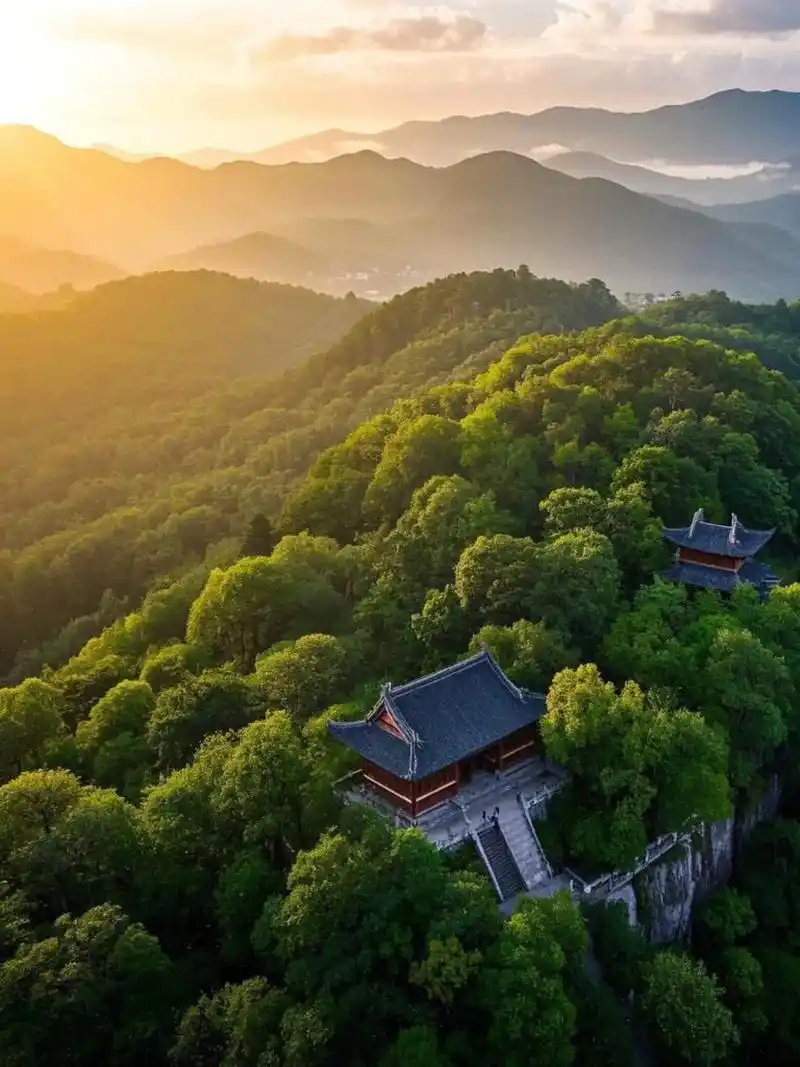 Set within the foothills of the Changbai Mountains—a range often likened to the Appalachians in age and ecological character—Zhuque Mountain (Zhuque meaning "Vermilion Bird," one of the four mythical guardians of Chinese cosmology) functions as Jilin City's beloved backyard wilderness. At 871 meters, Dream-Seeking Peak rises modestly by European Alpine standards, perhaps comparable to a Welsh mountain like Snowdon's lower neighbors, yet rewards climbers with views that stretch across the misty waters of Songhua Lake and the entire Jilin urban basin. The summit experience recalls the panoramic payoffs of hiking in Scotland's Highlands or the Harz Mountains, but with a distinctly northeastern Chinese character.
The park's most photographed feature is its gallery of naturally sculpted rocks, which seem to have been arranged by a patient sculptor. The namesake Pig Stone and its companion group of five smaller pig-shaped boulders, along with the needle-like Knife-Edge Peak, the cleft of One-Line Sky, and the jutting Eagle Beak Rock, draw comparisons to England's Brimham Rocks or the granite fantasies of Spain's Ciudad Encantada. Winding boardwalks thread through mixed conifer and broadleaf forest, where ash, walnut, and pine species native to the Changbai botanical zone create a fragrant, oxygen-rich canopy that has earned the area its reputation as a natural oxygen bar.
What elevates Zhuque beyond a purely scenic outing is the presence of the Ashihada Cliff Inscriptions on its western flank, designated a national key cultural relic protection site. These weathered carvings date to the Ming Dynasty (14th–17th centuries), an era contemporary with the late Tudors and early Stuarts in Britain, and document the military expeditions and riverine travel that tied the Manchurian frontier to the imperial heartland. Reading them feels akin to stumbling upon Roman milestones along a Highland trail—an unexpected collision of wild nature and recorded history that adds a human dimension to the climb.
Visitors will find a well-organized setup: a visitor center, parking, modest food stalls, the Buddhist-influenced Bodhi Temple nestled in the trees, and a small adventure park with zip lines, rope courses, and non-motorized rides for children. In winter, the slopes convert into a ski field, transforming the park into something resembling a miniature Austrian village resort. The site opens daily from 7:30 a.m. to 4:30 p.m., with peak-season tickets running 40 to 50 yuan plus a separate shuttle bus fee; the adjacent Wujia Mountain Forest Park is free.
The most practical advice for Western travelers is to treat Zhuque as a half-day to full-day excursion rather than a quick stop. Allow 40 minutes by taxi or rideshare from central Jilin—public buses are infrequent, so arranging private transport is strongly recommended. August visitors should pack sturdy grippy hiking shoes, long sleeves and trousers against mosquitoes, plenty of drinking water, and an offline map, as mobile signal can falter on the wooded slopes. Bring a light jacket even in midsummer: at 6 to 8°C cooler than the city below, the peak can feel brisk when the lake breeze picks up, a refreshing contrast to the humid lowland heat.
Set within the foothills of the Changbai Mountains—a range often likened to the Appalachians in age and ecological character—Zhuque Mountain (Zhuque meaning "Vermilion Bird," one of the four mythical guardians of Chinese cosmology) functions as Jilin City's beloved backyard wilderness. At 871 meters, Dream-Seeking Peak rises modestly by European Alpine standards, perhaps comparable to a Welsh mountain like Snowdon's lower neighbors, yet rewards climbers with views that stretch across the misty waters of Songhua Lake and the entire Jilin urban basin. The summit experience recalls the panoramic payoffs of hiking in Scotland's Highlands or the Harz Mountains, but with a distinctly northeastern Chinese character.
The park's most photographed feature is its gallery of naturally sculpted rocks, which seem to have been arranged by a patient sculptor. The namesake Pig Stone and its companion group of five smaller pig-shaped boulders, along with the needle-like Knife-Edge Peak, the cleft of One-Line Sky, and the jutting Eagle Beak Rock, draw comparisons to England's Brimham Rocks or the granite fantasies of Spain's Ciudad Encantada. Winding boardwalks thread through mixed conifer and broadleaf forest, where ash, walnut, and pine species native to the Changbai botanical zone create a fragrant, oxygen-rich canopy that has earned the area its reputation as a natural oxygen bar.
What elevates Zhuque beyond a purely scenic outing is the presence of the Ashihada Cliff Inscriptions on its western flank, designated a national key cultural relic protection site. These weathered carvings date to the Ming Dynasty (14th–17th centuries), an era contemporary with the late Tudors and early Stuarts in Britain, and document the military expeditions and riverine travel that tied the Manchurian frontier to the imperial heartland. Reading them feels akin to stumbling upon Roman milestones along a Highland trail—an unexpected collision of wild nature and recorded history that adds a human dimension to the climb.
Visitors will find a well-organized setup: a visitor center, parking, modest food stalls, the Buddhist-influenced Bodhi Temple nestled in the trees, and a small adventure park with zip lines, rope courses, and non-motorized rides for children. In winter, the slopes convert into a ski field, transforming the park into something resembling a miniature Austrian village resort. The site opens daily from 7:30 a.m. to 4:30 p.m., with peak-season tickets running 40 to 50 yuan plus a separate shuttle bus fee; the adjacent Wujia Mountain Forest Park is free.
The most practical advice for Western travelers is to treat Zhuque as a half-day to full-day excursion rather than a quick stop. Allow 40 minutes by taxi or rideshare from central Jilin—public buses are infrequent, so arranging private transport is strongly recommended. August visitors should pack sturdy grippy hiking shoes, long sleeves and trousers against mosquitoes, plenty of drinking water, and an offline map, as mobile signal can falter on the wooded slopes. Bring a light jacket even in midsummer: at 6 to 8°C cooler than the city below, the peak can feel brisk when the lake breeze picks up, a refreshing contrast to the humid lowland heat.