Guizhou Ethnic Museum
⭐ 4.20
No. 123, Beijing Road, Yunyan District, Guiyang, Guizhou, China
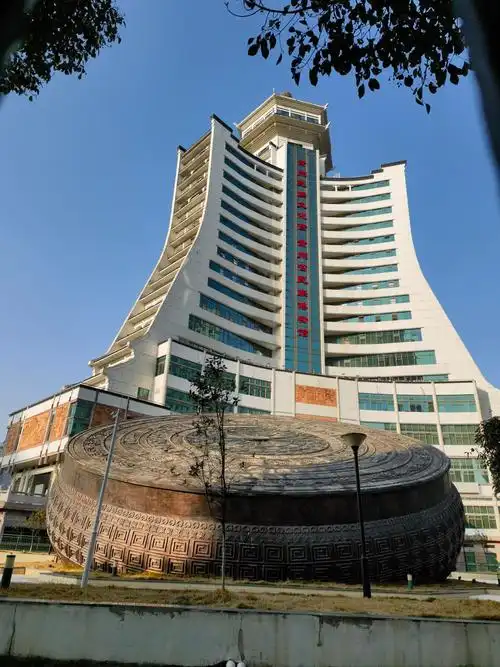 Opened under the Guizhou Provincial Ethnic and Religious Affairs Commission, this institution occupies a meaningful place in China's evolving cultural landscape, comparable to how the Pitt Rivers Museum in Oxford or the Musée du quai Branly in Paris revolutionized public engagement with indigenous material culture. As the fifth provincial-level ethnic museum in the country and a designated national first-class specialized venue, it serves both as a scholarly archive and a public showcase, systematically collecting, researching, and exhibiting artifacts representing the historical origins, livelihoods, and cultural identities of Guizhou's 18 officially recognized ethnic groups. For travelers tracing the longer arc of human cultural expression, the museum offers insight into traditions that have flourished in southwestern China's mountainous terrain for centuries.
Housed at 23 Jandao Street in the Nanming District, the museum enjoys a privileged position within Guizhou's bustling capital. It sits adjacent to Zhucheng Square and within easy strolling distance of the iconic Jiaxiu Tower, a 400-year-old literary landmark rising above the Nanming River that rivals European riverside monuments like Paris's Pont Neuf for atmospheric grandeur. The core permanent exhibition, "Memory and Heritage: The Historical and Cultural Exhibition of Guizhou's Indigenous Peoples," unfolds across the second through fourth floors in thematic sections exploring origins, homeland, daily life, and cultural continuity, allowing visitors to absorb information at a comfortable pace.
The collection's highlights carry an artistic intensity that rivals the craftsmanship found in Europe's great ethnographic and decorative arts museums. Treasures include Miao "hundred-bird" ceremonial robes and complete silver crown sets whose meticulous filigree recalls the virtuoso metalwork of ancient Etruscan goldsmiths; finely crafted scale models of Dong drum towers and wind-rain bridges, miniature marvels echoing the wooden engineering traditions of Alpine communities; stunning Shui horse-tail embroidery wedding attire; and dramatic Yi armor paired with ritual Nuo opera masks. These pieces offer exceptional photographic opportunities while serving as tangible gateways to aesthetic traditions rarely encountered outside southwestern China.
Practical planning is straightforward: the museum operates Tuesday through Sunday from 9:30 to 16:30, with last entry at 16:00, and closes on that day only outside statutory holidays. During summer (July 1 through September 30), Saturday hours extend to 20:00. Admission is free, though visitors must reserve in advance through the museum's WeChat public account using a passport or national ID. Allow 1.5 to 2.5 hours for a thorough visit. Paid audio guides cost approximately 30 RMB, while complimentary Chinese-language guided tours depart at 10:00 and 15:00.
After exploring the galleries, visitors can easily walk to nearby Jiaxiu Tower to admire its illuminated nighttime reflections on the Nanming River, creating a satisfying half-day pairing of indoor museum exploration and outdoor architectural sightseeing. A free reading room on the museum's fifth floor provides a quiet space for rest or reflection. Visitors should refrain from touching displays and disable camera flashes to protect delicate textiles. Reaching the museum is convenient via Metro Line 1 to Hebin Park Station, Exit A, followed by a roughly 600-meter walk, and the surrounding streets offer excellent opportunities to sample local cuisine, particularly Guizhou's celebrated sour soup fish, completing a rich cultural experience that balances the static contemplation of the galleries with the vibrant street life of the provincial capital.
Opened under the Guizhou Provincial Ethnic and Religious Affairs Commission, this institution occupies a meaningful place in China's evolving cultural landscape, comparable to how the Pitt Rivers Museum in Oxford or the Musée du quai Branly in Paris revolutionized public engagement with indigenous material culture. As the fifth provincial-level ethnic museum in the country and a designated national first-class specialized venue, it serves both as a scholarly archive and a public showcase, systematically collecting, researching, and exhibiting artifacts representing the historical origins, livelihoods, and cultural identities of Guizhou's 18 officially recognized ethnic groups. For travelers tracing the longer arc of human cultural expression, the museum offers insight into traditions that have flourished in southwestern China's mountainous terrain for centuries.
Housed at 23 Jandao Street in the Nanming District, the museum enjoys a privileged position within Guizhou's bustling capital. It sits adjacent to Zhucheng Square and within easy strolling distance of the iconic Jiaxiu Tower, a 400-year-old literary landmark rising above the Nanming River that rivals European riverside monuments like Paris's Pont Neuf for atmospheric grandeur. The core permanent exhibition, "Memory and Heritage: The Historical and Cultural Exhibition of Guizhou's Indigenous Peoples," unfolds across the second through fourth floors in thematic sections exploring origins, homeland, daily life, and cultural continuity, allowing visitors to absorb information at a comfortable pace.
The collection's highlights carry an artistic intensity that rivals the craftsmanship found in Europe's great ethnographic and decorative arts museums. Treasures include Miao "hundred-bird" ceremonial robes and complete silver crown sets whose meticulous filigree recalls the virtuoso metalwork of ancient Etruscan goldsmiths; finely crafted scale models of Dong drum towers and wind-rain bridges, miniature marvels echoing the wooden engineering traditions of Alpine communities; stunning Shui horse-tail embroidery wedding attire; and dramatic Yi armor paired with ritual Nuo opera masks. These pieces offer exceptional photographic opportunities while serving as tangible gateways to aesthetic traditions rarely encountered outside southwestern China.
Practical planning is straightforward: the museum operates Tuesday through Sunday from 9:30 to 16:30, with last entry at 16:00, and closes on that day only outside statutory holidays. During summer (July 1 through September 30), Saturday hours extend to 20:00. Admission is free, though visitors must reserve in advance through the museum's WeChat public account using a passport or national ID. Allow 1.5 to 2.5 hours for a thorough visit. Paid audio guides cost approximately 30 RMB, while complimentary Chinese-language guided tours depart at 10:00 and 15:00.
After exploring the galleries, visitors can easily walk to nearby Jiaxiu Tower to admire its illuminated nighttime reflections on the Nanming River, creating a satisfying half-day pairing of indoor museum exploration and outdoor architectural sightseeing. A free reading room on the museum's fifth floor provides a quiet space for rest or reflection. Visitors should refrain from touching displays and disable camera flashes to protect delicate textiles. Reaching the museum is convenient via Metro Line 1 to Hebin Park Station, Exit A, followed by a roughly 600-meter walk, and the surrounding streets offer excellent opportunities to sample local cuisine, particularly Guizhou's celebrated sour soup fish, completing a rich cultural experience that balances the static contemplation of the galleries with the vibrant street life of the provincial capital.