Tianhe Pond Scenic Area
⭐ 4.00
Tianhe Pond Scenic Area, Shiban Town, Huaxi District, Guiyang City, Guizhou Province, China
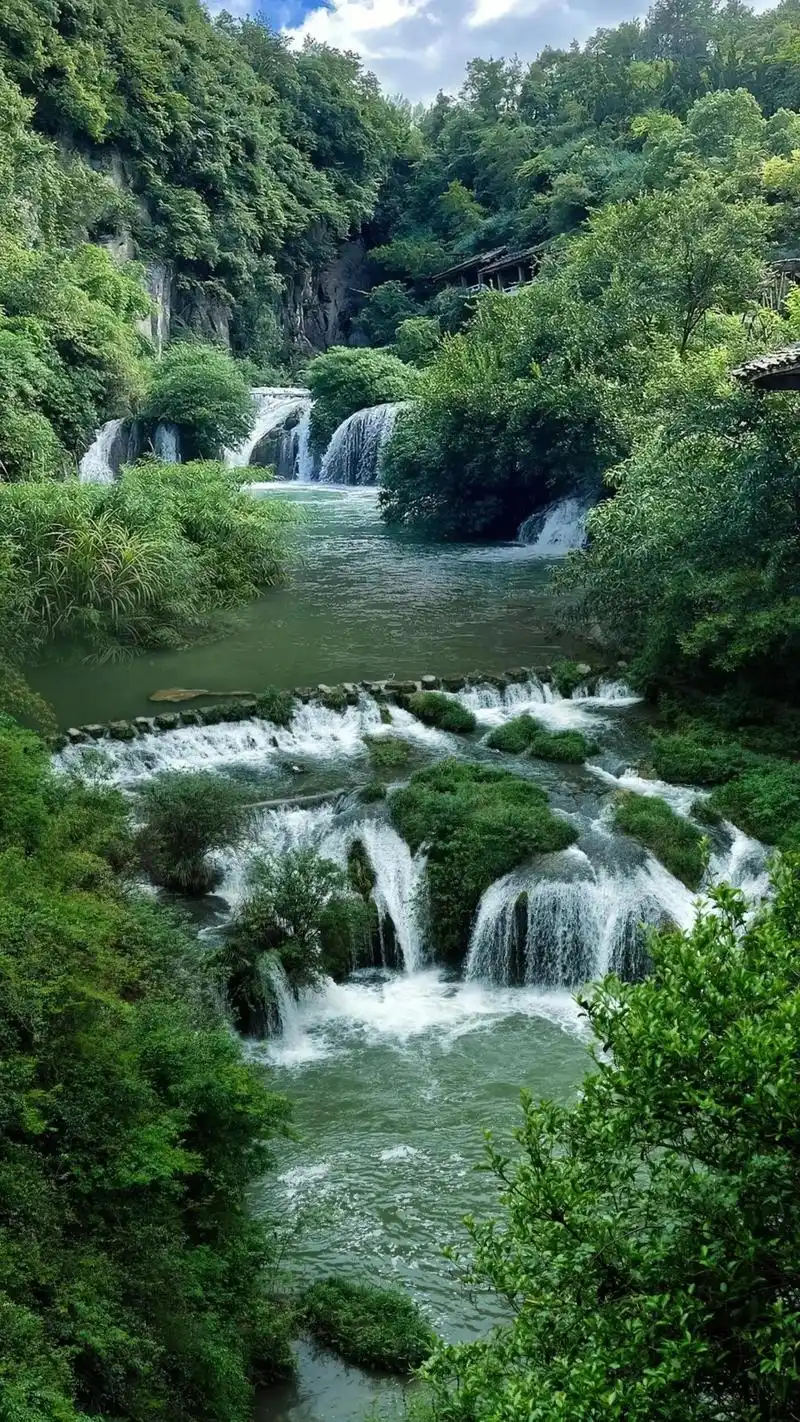 Karst landscapes like Tianhe Tan were carved over millions of years as slightly acidic groundwater dissolved limestone—much as it did in Slovenia's celebrated Postojna Cave or the cavern systems of France's Vézère Valley. While Guizhou's written history reaches back to the Han dynasty, this corner of southern China was long home to the Buyi and Miao peoples, whose oral traditions speak of rivers vanishing into the mountains. The caves here belong to the same vast underground drainage network that empties much of the Yunnan-Guizhou Plateau. In geological terms, Tianhe Tan is a small but vivid window into roughly 200 million years of slow, silent sculpting.
The signature experience begins with a 1,000-meter boat journey through a water-filled solutional cave, where the underground river holds a steady 18°C year-round. Visitors glide past looming limestone chambers and glistening walls—an echo of Venice's lesser-known canals, but with cathedral-like vaults and silence broken only by dripping water. Exiting the boat, you switch to a dry cave reached on foot, where curious formations like stone shields and the whimsically named "Bridge of No Return" reward photographers who keep their lenses ready. The two sections connect via elevated walkways, several of which sit fully exposed to the sky.
Emerge into daylight and the Hundred-Step Bridge delivers you to the dramatic centerpiece: a 210-meter-wide curtain of calcium carbonate cascading into a natural pool. Geologists liken such deposits to Turkey's Pamukkale terraces, though here the calcium is laid down by rushing spring water rather than geothermal flow. From August through October, seasonal rains swell the cascade and visitors gather at the sinkhole rim for sweeping compositions. Combining a boat cave, a dry grotto, a travertine fall, and a collapsed doline in one tight circuit is unusual even by China's standards.
Beyond geology, the park layers in local flavor through "Guiyang Story Street," where travelers can sample sour-soup fish—a tangy fermented-chili broth beloved across Guizhou—and "silk baby" rolls, paper-thin rice crepes wrapping crisp vegetables, much in the spirit of Vietnamese summer rolls. Reed-pipe dances performed by Buyi musicians add a folkloric backdrop. During the traditional "blocking-door wine" greeting, hosts intercept guests with rice liquor; receiving it with both hands and taking a sip is the polite response, as outright refusal is considered discourteous. On summer weekends and major holidays, the lake stages a light show and limited fireworks.
Entry to the park runs about ¥10, while a combined ticket covering shuttle bus and cave boat is ¥50–75. Guiyang Metro Line S1 runs directly to Tianhetan Station, or allow roughly 40 minutes by car from downtown. Plan on 2–3 hours for the core route, or 4–6 if you add the night show. Wear sturdy non-slip shoes—cave floors are perpetually slick and some walkways lack overhead cover—and bring a light jacket to manage the sharp temperature contrast between chilly caves and sun-warmed paths outside.
For travelers short on time, Tianhe Tan delivers more landscape per hour than almost any other stop near Guiyang. Trails are gentle enough for children and older visitors, though serious cavers may find it tame compared with deeper systems elsewhere in Guizhou. Pair it with neighboring Huaxi (Flower Stream) Park for a quieter morning stroll, or extend the day east to the Ming-era walled town of Qingyan—an hour's drive—for cobbled lanes and preserved garrison architecture. In short: it's a high-value, low-effort introduction to the magic of southwest China's mountains.
Karst landscapes like Tianhe Tan were carved over millions of years as slightly acidic groundwater dissolved limestone—much as it did in Slovenia's celebrated Postojna Cave or the cavern systems of France's Vézère Valley. While Guizhou's written history reaches back to the Han dynasty, this corner of southern China was long home to the Buyi and Miao peoples, whose oral traditions speak of rivers vanishing into the mountains. The caves here belong to the same vast underground drainage network that empties much of the Yunnan-Guizhou Plateau. In geological terms, Tianhe Tan is a small but vivid window into roughly 200 million years of slow, silent sculpting.
The signature experience begins with a 1,000-meter boat journey through a water-filled solutional cave, where the underground river holds a steady 18°C year-round. Visitors glide past looming limestone chambers and glistening walls—an echo of Venice's lesser-known canals, but with cathedral-like vaults and silence broken only by dripping water. Exiting the boat, you switch to a dry cave reached on foot, where curious formations like stone shields and the whimsically named "Bridge of No Return" reward photographers who keep their lenses ready. The two sections connect via elevated walkways, several of which sit fully exposed to the sky.
Emerge into daylight and the Hundred-Step Bridge delivers you to the dramatic centerpiece: a 210-meter-wide curtain of calcium carbonate cascading into a natural pool. Geologists liken such deposits to Turkey's Pamukkale terraces, though here the calcium is laid down by rushing spring water rather than geothermal flow. From August through October, seasonal rains swell the cascade and visitors gather at the sinkhole rim for sweeping compositions. Combining a boat cave, a dry grotto, a travertine fall, and a collapsed doline in one tight circuit is unusual even by China's standards.
Beyond geology, the park layers in local flavor through "Guiyang Story Street," where travelers can sample sour-soup fish—a tangy fermented-chili broth beloved across Guizhou—and "silk baby" rolls, paper-thin rice crepes wrapping crisp vegetables, much in the spirit of Vietnamese summer rolls. Reed-pipe dances performed by Buyi musicians add a folkloric backdrop. During the traditional "blocking-door wine" greeting, hosts intercept guests with rice liquor; receiving it with both hands and taking a sip is the polite response, as outright refusal is considered discourteous. On summer weekends and major holidays, the lake stages a light show and limited fireworks.
Entry to the park runs about ¥10, while a combined ticket covering shuttle bus and cave boat is ¥50–75. Guiyang Metro Line S1 runs directly to Tianhetan Station, or allow roughly 40 minutes by car from downtown. Plan on 2–3 hours for the core route, or 4–6 if you add the night show. Wear sturdy non-slip shoes—cave floors are perpetually slick and some walkways lack overhead cover—and bring a light jacket to manage the sharp temperature contrast between chilly caves and sun-warmed paths outside.
For travelers short on time, Tianhe Tan delivers more landscape per hour than almost any other stop near Guiyang. Trails are gentle enough for children and older visitors, though serious cavers may find it tame compared with deeper systems elsewhere in Guizhou. Pair it with neighboring Huaxi (Flower Stream) Park for a quieter morning stroll, or extend the day east to the Ming-era walled town of Qingyan—an hour's drive—for cobbled lanes and preserved garrison architecture. In short: it's a high-value, low-effort introduction to the magic of southwest China's mountains.