Mancheng District Museum
⭐ 2.80
Mancheng District Museum, Baoding City, Hebei Province, China
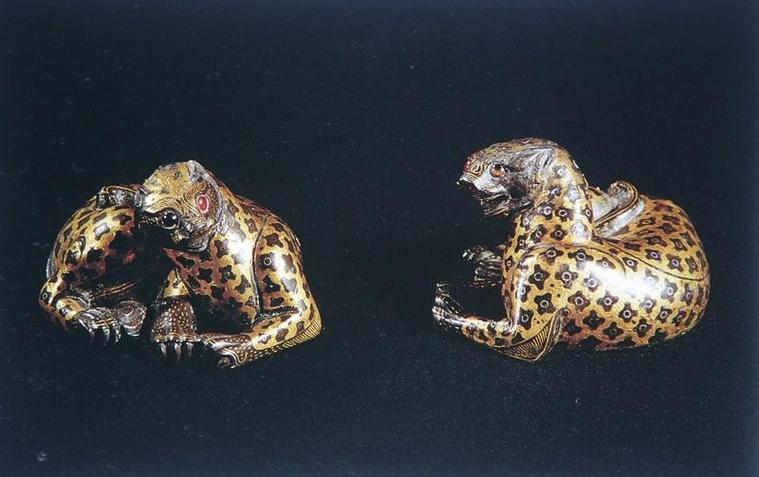 Discovered in 1968 during a chance military excavation, the Mancheng tombs rank among the most significant Han Dynasty archaeological finds of the twentieth century. Liu Sheng, a grandson of Emperor Jing, and his consort were laid to rest with over 10,000 objects, including the world's first complete jade burial suit—2,000-plus jade pieces sewn together with gold thread—and the elegant Changxin Palace Lamp, whose adjustable shade controlled soot and light direction. These discoveries revolutionized understanding of Han material culture, burial customs, and the wealth of regional princely courts during the era when the Silk Road was opening to the Roman Empire.
The tombs themselves are the museum's true centerpiece. Cut deep into the limestone of Lingshan Mountain, the two mausoleums extend approximately 51 meters into the rock face, reaching depths of some 30 meters from the summit. Their layout—comprising entrance ramps, passageways, side chambers, and grand main halls—mirrors the layout of a luxurious above-ground palace, reflecting the Han belief that the afterlife should replicate earthly existence. Liu Sheng's tomb alone features chambers dedicated to chariots, armories, granaries, and domestic spaces, essentially a complete aristocratic residence carved in stone.
This "death as life" philosophy distinguishes Han royal tombs from contemporaneous Roman mausoleums or the more austere Etruscan burial chambers. The sheer engineering ambition—excavating two palace-sized complexes entirely by hand from solid mountain—parallels the ambition of Petra's rock-cut facades or the tomb complexes of Persepolis, though executed in a different architectural vocabulary. Visiting the original site offers something replicas never can: an authentic sense of scale, atmosphere, and craftsmanship.
Practical planning is essential. The museum lies about 20 kilometers southwest of Baoding city center; driving with the destination "Mancheng Han Tomb Scenic Area Parking" is the most reliable option, as public transit requires transfers. Hours typically run 8:30 a.m. to 5:00 p.m., with last entry at 4:30 p.m., though seasonal variations apply. Foreign visitors must present their passport for registration. Tickets are usually bundled with the broader scenic area admission.
Allow at least two and a half hours for a comfortable visit that includes both the exhibition halls and the tomb interiors. Arrive before 10 a.m. to avoid peak crowds and confirm on-site that the tomb chambers are open, as occasional preservation closures occur. Signage is primarily in Chinese, so downloading a translation app or arranging a guide in advance is highly recommended. Wear sturdy, non-slip footwear—the stone staircases inside the tombs are steep, narrow, and often damp—and observe the no-flash photography rule to help preserve these irreplaceable artifacts.
Discovered in 1968 during a chance military excavation, the Mancheng tombs rank among the most significant Han Dynasty archaeological finds of the twentieth century. Liu Sheng, a grandson of Emperor Jing, and his consort were laid to rest with over 10,000 objects, including the world's first complete jade burial suit—2,000-plus jade pieces sewn together with gold thread—and the elegant Changxin Palace Lamp, whose adjustable shade controlled soot and light direction. These discoveries revolutionized understanding of Han material culture, burial customs, and the wealth of regional princely courts during the era when the Silk Road was opening to the Roman Empire.
The tombs themselves are the museum's true centerpiece. Cut deep into the limestone of Lingshan Mountain, the two mausoleums extend approximately 51 meters into the rock face, reaching depths of some 30 meters from the summit. Their layout—comprising entrance ramps, passageways, side chambers, and grand main halls—mirrors the layout of a luxurious above-ground palace, reflecting the Han belief that the afterlife should replicate earthly existence. Liu Sheng's tomb alone features chambers dedicated to chariots, armories, granaries, and domestic spaces, essentially a complete aristocratic residence carved in stone.
This "death as life" philosophy distinguishes Han royal tombs from contemporaneous Roman mausoleums or the more austere Etruscan burial chambers. The sheer engineering ambition—excavating two palace-sized complexes entirely by hand from solid mountain—parallels the ambition of Petra's rock-cut facades or the tomb complexes of Persepolis, though executed in a different architectural vocabulary. Visiting the original site offers something replicas never can: an authentic sense of scale, atmosphere, and craftsmanship.
Practical planning is essential. The museum lies about 20 kilometers southwest of Baoding city center; driving with the destination "Mancheng Han Tomb Scenic Area Parking" is the most reliable option, as public transit requires transfers. Hours typically run 8:30 a.m. to 5:00 p.m., with last entry at 4:30 p.m., though seasonal variations apply. Foreign visitors must present their passport for registration. Tickets are usually bundled with the broader scenic area admission.
Allow at least two and a half hours for a comfortable visit that includes both the exhibition halls and the tomb interiors. Arrive before 10 a.m. to avoid peak crowds and confirm on-site that the tomb chambers are open, as occasional preservation closures occur. Signage is primarily in Chinese, so downloading a translation app or arranging a guide in advance is highly recommended. Wear sturdy, non-slip footwear—the stone staircases inside the tombs are steep, narrow, and often damp—and observe the no-flash photography rule to help preserve these irreplaceable artifacts.