Xining Museum
⭐ 3.60
No. 11, South Street, Chengzhong District, Xining, Qinghai, China
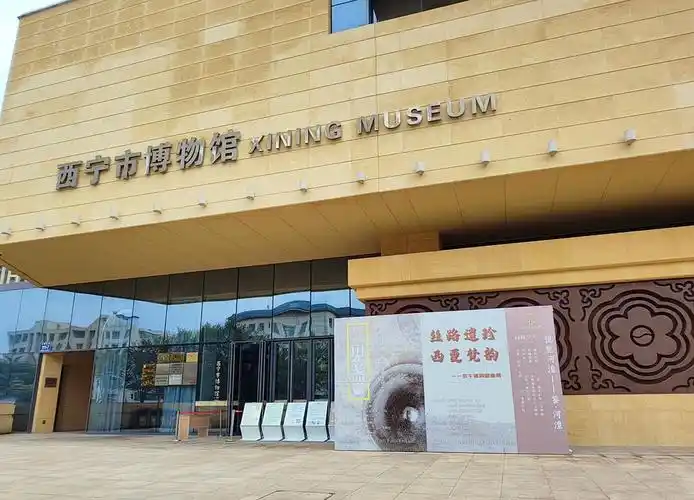 Xining sits at the northeastern edge of the Qinghai-Tibet Plateau, where the Silk Road skirted the high deserts and caravan routes connected Central Asia to Tibet. The museum's collections illuminate this strategic crossroads, much as regional museums in Samarkand or Kashgar do for their own corridors of exchange. The star holdings are painted ceramics from the Hehuang region, produced by cultures contemporaneous with ancient Egypt's dynasties and Mesopotamia's early city-states. These ceramics, with their swirling geometric motifs, showcase a sophisticated Neolithic tradition that flourished in isolation from—but at the same historical moment as—the great river-valley civilizations.
Housed within the Xiaoqiao Mass Cultural Arts Center, the museum is modest in scale at roughly 750 square meters, yet it packs a complete narrative into two floors. The ground-floor "Dance Rhythms of Hehuang" gallery traces Xining's full chronology, while the upper floor is dedicated to finds from the Shenna Site, a nationally protected archaeological treasure. Recent upgrades have introduced glasses-free 3D displays and interactive cultural-creativity zones, bringing a high-tech edge that recalls installations at London's Tate Modern or the smaller regional museums of Scandinavia.
What sets this museum apart from typical Chinese municipal collections is its focus on ethnic fusion. A significant portion of the holdings consists of everyday objects—textiles, household wares, religious items—that document centuries of coexistence among Han Chinese, Tibetan Buddhists, Hui Muslims, and Tu people. For visitors familiar with the multicultural layers of cities like Istanbul or Lhasa, this gallery offers a parallel story from China's northwestern frontier, showing how faith, food, and craft blended along the trade routes where caravans once paused.
Practical visiting details are refreshingly simple. The museum is free to enter, with no advance booking required—just bring your passport for security screening. Hours run Tuesday through Sunday, 9:00 to 17:00 (last entry at 16:30), with extended evening hours to 21:00 during the summer months of June through August. Monday is the closure day. Plan on 45 to 60 minutes for a thorough visit. Flash photography and tripods are prohibited throughout, and certain sensitive exhibits ban cameras entirely, so check signage carefully. Free Mandarin-language guided tours are typically offered on weekend afternoons at 14:30 and 15:30.
Why make the detour? This museum rewards travelers who want to understand Xining beyond its role as a gateway to Qinghai Lake and the Tibetan Plateau. Pair your visit with a walk to the neighboring Shenna Site Park, where the actual 4,000-year-old ruins lie open to the sky. Afterwards, wander the Xiaoqiao Street area for halal noodle shops and teahouses—completing a day that moves seamlessly from Neolithic archaeology to living Hui Muslim culture, all within a single neighborhood.
Xining sits at the northeastern edge of the Qinghai-Tibet Plateau, where the Silk Road skirted the high deserts and caravan routes connected Central Asia to Tibet. The museum's collections illuminate this strategic crossroads, much as regional museums in Samarkand or Kashgar do for their own corridors of exchange. The star holdings are painted ceramics from the Hehuang region, produced by cultures contemporaneous with ancient Egypt's dynasties and Mesopotamia's early city-states. These ceramics, with their swirling geometric motifs, showcase a sophisticated Neolithic tradition that flourished in isolation from—but at the same historical moment as—the great river-valley civilizations.
Housed within the Xiaoqiao Mass Cultural Arts Center, the museum is modest in scale at roughly 750 square meters, yet it packs a complete narrative into two floors. The ground-floor "Dance Rhythms of Hehuang" gallery traces Xining's full chronology, while the upper floor is dedicated to finds from the Shenna Site, a nationally protected archaeological treasure. Recent upgrades have introduced glasses-free 3D displays and interactive cultural-creativity zones, bringing a high-tech edge that recalls installations at London's Tate Modern or the smaller regional museums of Scandinavia.
What sets this museum apart from typical Chinese municipal collections is its focus on ethnic fusion. A significant portion of the holdings consists of everyday objects—textiles, household wares, religious items—that document centuries of coexistence among Han Chinese, Tibetan Buddhists, Hui Muslims, and Tu people. For visitors familiar with the multicultural layers of cities like Istanbul or Lhasa, this gallery offers a parallel story from China's northwestern frontier, showing how faith, food, and craft blended along the trade routes where caravans once paused.
Practical visiting details are refreshingly simple. The museum is free to enter, with no advance booking required—just bring your passport for security screening. Hours run Tuesday through Sunday, 9:00 to 17:00 (last entry at 16:30), with extended evening hours to 21:00 during the summer months of June through August. Monday is the closure day. Plan on 45 to 60 minutes for a thorough visit. Flash photography and tripods are prohibited throughout, and certain sensitive exhibits ban cameras entirely, so check signage carefully. Free Mandarin-language guided tours are typically offered on weekend afternoons at 14:30 and 15:30.
Why make the detour? This museum rewards travelers who want to understand Xining beyond its role as a gateway to Qinghai Lake and the Tibetan Plateau. Pair your visit with a walk to the neighboring Shenna Site Park, where the actual 4,000-year-old ruins lie open to the sky. Afterwards, wander the Xiaoqiao Street area for halal noodle shops and teahouses—completing a day that moves seamlessly from Neolithic archaeology to living Hui Muslim culture, all within a single neighborhood.