Daotang River
⭐ 2.80
Daotang River Scenic Area, Chengzhong District, Xining City, Qinghai Province, China
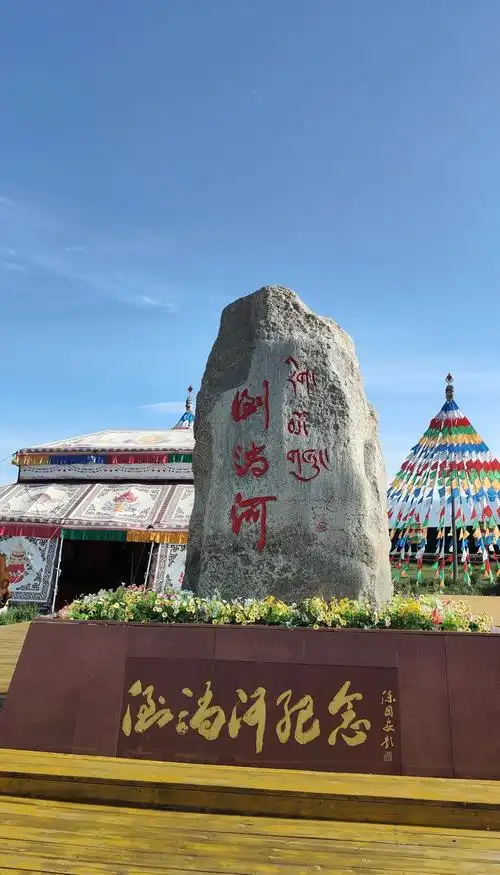 The river's origins stretch back roughly 200 million years to the dramatic collision of the Indian and Eurasian tectonic plates, the same geological force that built the Himalayas. As the Tibetan Plateau rose, it severed ancient eastward-flowing river systems that once drained toward the Pacific, redirecting their waters inland. Scientists study this region, sometimes called the "roof of the world," for insights into continental collision, comparable to how the Alps document the African-European plate encounter. Standing at 3,300 meters—higher than any Alpine pass—you witness evidence of this continental drama in real time, with snow-dusted ridges framing a landscape that feels more lunar than earthly.
Daotang belongs to a tiny global club of rivers that flow opposite to regional expectations. Much as the Jordan River runs counter to surrounding topography, or certain Scandinavian rivers reverse with seasonal floods, Daotang's westward journey into Qinghai Lake remains a permanent geographical oddity. The free roadside viewpoint along the G109 lets travelers confirm this with their own eyes: water unmistakably moving uphill, if only perceptually, against the grain of the continent. No ticket is required for this natural marvel, which sits roughly 100 kilometers from Xining and offers a striking visual metaphor for the cultural reversals this region has witnessed throughout history.
According to Tang Dynasty lore, Princess Wencheng—whose 641 AD marriage to Tibetan King Songtsen Gampo mirrors, in geopolitical stakes, the later European royal marriages used to seal alliances—shed tears of homesickness during her journey westward. Those tears, the legend claims, became the Daotang River, an "upward-flowing" stream that, like the princess herself, moved in the opposite direction from her homeland. The riverbanks today host fluttering prayer flags and scattered mani stone cairns, evoking a spirituality that Western visitors might compare to rosary beads or wayside shrines along the Camino de Santiago. Within the paid section (around 40 yuan), themed installations and Tibetan costumes let guests physically inhabit this crossroads of Han and Tibetan civilization.
The natural phenomenon requires no admission—simply pull into one of the designated parking areas along the G109 to observe safely. The fee-charging zone offers costume rentals, yak photo sessions, and a small museum dedicated to Princess Wencheng's legacy. Foreign travelers should arrange private transport or join a reputable small-group tour from Xining, as public transit is minimal and roadside photo stops can incur fines. From mid-July through August, when grasslands blaze emerald-green and temperatures remain pleasant, conditions are ideal. Allow 30 to 60 minutes here; treat it as a cultural footnote on the larger Qinghai Lake loop rather than a standalone destination.
At 3,300 meters above sea level—higher than Europe's tallest peaks outside the Caucasus—the site poses real altitude risks. Western travelers accustomed to mountain resorts like Zermatt or Chamonix should still take precautions. On arrival day, avoid strenuous activity, alcohol, and hot showers. First-time visitors to high altitudes benefit from spending a night in Xining (2,200 meters) to acclimatize gradually. Summer brings intense UV radiation and dramatic temperature swings; pack a windproof jacket, sunglasses, and high-SPF sunscreen. Stay hydrated and descend immediately if symptoms of acute mountain sickness—headache, nausea, dizziness—worsen. Respect local customs as well: walk around prayer flags and turn prayer wheels clockwise to honor Tibetan Buddhist traditions.
The river's origins stretch back roughly 200 million years to the dramatic collision of the Indian and Eurasian tectonic plates, the same geological force that built the Himalayas. As the Tibetan Plateau rose, it severed ancient eastward-flowing river systems that once drained toward the Pacific, redirecting their waters inland. Scientists study this region, sometimes called the "roof of the world," for insights into continental collision, comparable to how the Alps document the African-European plate encounter. Standing at 3,300 meters—higher than any Alpine pass—you witness evidence of this continental drama in real time, with snow-dusted ridges framing a landscape that feels more lunar than earthly.
Daotang belongs to a tiny global club of rivers that flow opposite to regional expectations. Much as the Jordan River runs counter to surrounding topography, or certain Scandinavian rivers reverse with seasonal floods, Daotang's westward journey into Qinghai Lake remains a permanent geographical oddity. The free roadside viewpoint along the G109 lets travelers confirm this with their own eyes: water unmistakably moving uphill, if only perceptually, against the grain of the continent. No ticket is required for this natural marvel, which sits roughly 100 kilometers from Xining and offers a striking visual metaphor for the cultural reversals this region has witnessed throughout history.
According to Tang Dynasty lore, Princess Wencheng—whose 641 AD marriage to Tibetan King Songtsen Gampo mirrors, in geopolitical stakes, the later European royal marriages used to seal alliances—shed tears of homesickness during her journey westward. Those tears, the legend claims, became the Daotang River, an "upward-flowing" stream that, like the princess herself, moved in the opposite direction from her homeland. The riverbanks today host fluttering prayer flags and scattered mani stone cairns, evoking a spirituality that Western visitors might compare to rosary beads or wayside shrines along the Camino de Santiago. Within the paid section (around 40 yuan), themed installations and Tibetan costumes let guests physically inhabit this crossroads of Han and Tibetan civilization.
The natural phenomenon requires no admission—simply pull into one of the designated parking areas along the G109 to observe safely. The fee-charging zone offers costume rentals, yak photo sessions, and a small museum dedicated to Princess Wencheng's legacy. Foreign travelers should arrange private transport or join a reputable small-group tour from Xining, as public transit is minimal and roadside photo stops can incur fines. From mid-July through August, when grasslands blaze emerald-green and temperatures remain pleasant, conditions are ideal. Allow 30 to 60 minutes here; treat it as a cultural footnote on the larger Qinghai Lake loop rather than a standalone destination.
At 3,300 meters above sea level—higher than Europe's tallest peaks outside the Caucasus—the site poses real altitude risks. Western travelers accustomed to mountain resorts like Zermatt or Chamonix should still take precautions. On arrival day, avoid strenuous activity, alcohol, and hot showers. First-time visitors to high altitudes benefit from spending a night in Xining (2,200 meters) to acclimatize gradually. Summer brings intense UV radiation and dramatic temperature swings; pack a windproof jacket, sunglasses, and high-SPF sunscreen. Stay hydrated and descend immediately if symptoms of acute mountain sickness—headache, nausea, dizziness—worsen. Respect local customs as well: walk around prayer flags and turn prayer wheels clockwise to honor Tibetan Buddhist traditions.