Qinghai Lake
⭐ 4.20
Qinghai Lake Scenic Area, 151 km from Xining on Qinghai-Tibet Highway, Qinghai Province, China
 Geologically, Qinghai Lake emerged roughly two million years ago from the same tectonic upheaval that thrust up the Himalayas—imagine the alpine drama of Switzerland's Interlaken region lifted onto a wind-scoured plateau at 10,000 feet. Classical Chinese sources record it as the "Western Sea" and a vital hunting ground for the Qiang nomads; later, the Tuyuhun and Tibetan empires vied for its rich pastures. In the 7th century, Princess Wencheng of Tang Dynasty China paused at the Riyue Mountain Pass on her famous marriage journey to Lhasa, and the Qing dynasty finally bestowed the name "Qinghai"—meaning "Blue Sea"—that endures today.
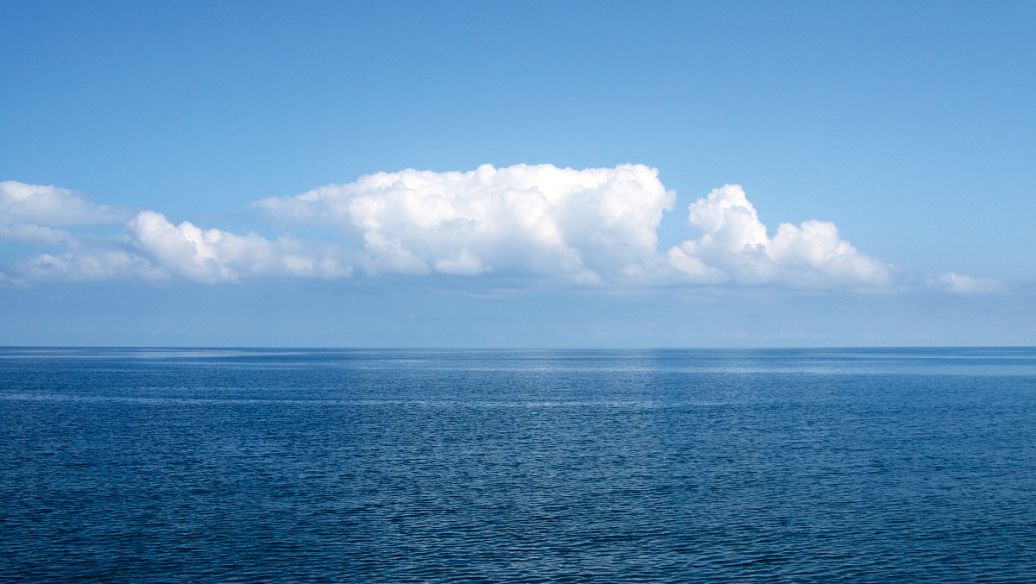
The lake itself is a study in stark contrasts: saline waters shimmering in deep ultramarine, encircled by verdant summer pastures, golden dunes near Heimahe, and silvery salt-encrusted shores in winter. Four anchor viewpoints anchor the experience—Heimahe's celebrated sunrise, the Er Lang Jian peninsula where legend says a dragon king once rested, Bird Island's seasonal spectacle, and the Fairy Bay wetlands. Each May through July, hundreds of thousands of bar-headed geese and brown-headed gulls transform the shoreline into one of Asia's great ornithological theaters, rivaling the seasonal migrations at Kenya's Rift Valley lakes.
Culturally, the lake ranks among the holiest waters of Tibetan Buddhism, its shores strewn with prayer flags, mani stone piles, and ritual altars. Tibetan herders still perform the ancient "Sea Worship" ceremony each lunar June—now officially protected as intangible cultural heritage—while encircling the lake on foot as a sacred pilgrimage. Er Lang Jian itself encapsulates centuries of Han-Tibetan fusion, its name echoing both Daoist mythology and local legend.
Practical planning is straightforward: fly or train to Xining, then drive roughly 2.5 hours via the G6 Beijing-Lhasa Expressway or the scenic 360-kilometer lakeshore ring road. Allow two to three days to circle the lake, with overnight stops in Tibetan yurt camps or small townships. Because the elevation exceeds 3,200 meters, spend one to two days acclimatizing in Xining first; sunglasses, sunscreen, and layered clothing are essential year-round, and summer bookings should be made well in advance.
Why make the journey? Because Qinghai Lake offers something increasingly rare—a landscape of unmanipulated vastness where geology, spirituality, and seasonal drama converge. From July's riot of yellow rapeseed blossoms against blue water, to spring's returning flocks, to winter's haunting silver silence, it remains one of China's most photographed and emotionally stirring destinations, beloved equally by pilgrims, cyclists circling the ring road, and photographers chasing that elusive high-altitude light.
Geologically, Qinghai Lake emerged roughly two million years ago from the same tectonic upheaval that thrust up the Himalayas—imagine the alpine drama of Switzerland's Interlaken region lifted onto a wind-scoured plateau at 10,000 feet. Classical Chinese sources record it as the "Western Sea" and a vital hunting ground for the Qiang nomads; later, the Tuyuhun and Tibetan empires vied for its rich pastures. In the 7th century, Princess Wencheng of Tang Dynasty China paused at the Riyue Mountain Pass on her famous marriage journey to Lhasa, and the Qing dynasty finally bestowed the name "Qinghai"—meaning "Blue Sea"—that endures today.
The lake itself is a study in stark contrasts: saline waters shimmering in deep ultramarine, encircled by verdant summer pastures, golden dunes near Heimahe, and silvery salt-encrusted shores in winter. Four anchor viewpoints anchor the experience—Heimahe's celebrated sunrise, the Er Lang Jian peninsula where legend says a dragon king once rested, Bird Island's seasonal spectacle, and the Fairy Bay wetlands. Each May through July, hundreds of thousands of bar-headed geese and brown-headed gulls transform the shoreline into one of Asia's great ornithological theaters, rivaling the seasonal migrations at Kenya's Rift Valley lakes.
Culturally, the lake ranks among the holiest waters of Tibetan Buddhism, its shores strewn with prayer flags, mani stone piles, and ritual altars. Tibetan herders still perform the ancient "Sea Worship" ceremony each lunar June—now officially protected as intangible cultural heritage—while encircling the lake on foot as a sacred pilgrimage. Er Lang Jian itself encapsulates centuries of Han-Tibetan fusion, its name echoing both Daoist mythology and local legend.
Practical planning is straightforward: fly or train to Xining, then drive roughly 2.5 hours via the G6 Beijing-Lhasa Expressway or the scenic 360-kilometer lakeshore ring road. Allow two to three days to circle the lake, with overnight stops in Tibetan yurt camps or small townships. Because the elevation exceeds 3,200 meters, spend one to two days acclimatizing in Xining first; sunglasses, sunscreen, and layered clothing are essential year-round, and summer bookings should be made well in advance.
Why make the journey? Because Qinghai Lake offers something increasingly rare—a landscape of unmanipulated vastness where geology, spirituality, and seasonal drama converge. From July's riot of yellow rapeseed blossoms against blue water, to spring's returning flocks, to winter's haunting silver silence, it remains one of China's most photographed and emotionally stirring destinations, beloved equally by pilgrims, cyclists circling the ring road, and photographers chasing that elusive high-altitude light.