Kumbum Monastery
⭐ 4.60
Lushar Town, Huangzhong County, Xining City, Qinghai Province, China
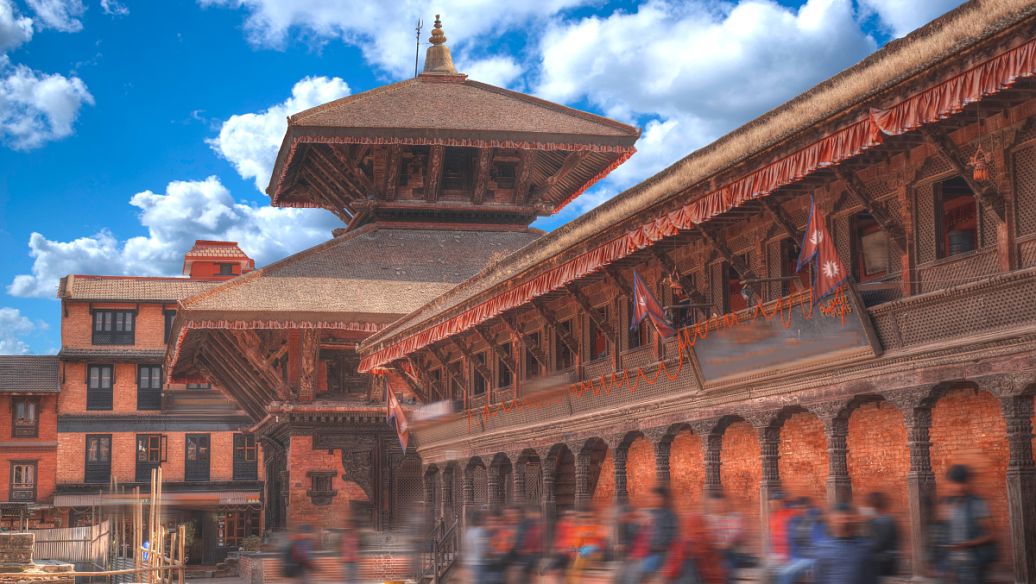 Built in 1560 during China's Ming Dynasty—the same era that saw Elizabeth I ascend the English throne—Kumbum rises around a sacred stupa marking the birthplace of Tsongkhapa (1357–1419), the philosopher-monk whose reforms shaped Tibetan Buddhism at roughly the moment Martin Luther was reshaping Western Christianity. As one of the six founding Gelugpa monasteries, it commands the same spiritual authority within Tibetan Buddhism that Canterbury or Monte Cassino hold in Western Christian traditions. The monastery also flourished along the ancient Tea-Horse Road, serving for centuries as a vital meeting point where Han Chinese and Tibetan cultures exchanged goods, ideas, and artistic sensibilities.
The architectural ensemble rivals the grandeur of any European cathedral complex, blending Chinese temple construction with classic Tibetan monastic design. The Great Golden Tile Hall stands at its heart: a three-story structure crowned with gilded copper tiles containing over 360 kilograms of gold—comparable in opulence to the inner sanctuaries of St. Mark's Basilica in Venice. Inside rests a silver-and-gilt stupa marking Tsongkhapa's exact birthplace. The forecourt features eight towering white stupas lined in formation, commemorating the eight great events in Buddha's life and serving as both pilgrimage circuit and the monastery's most photographed landmark.
The monastery's worldwide renown rests on its "Three Artistic Wonders," each a masterpiece of devotional craftsmanship. Master sculptors create butter sculptures—so delicate that artisans must continually plunge their hands into ice water—that range from blossoming lotus flowers to intricate Buddhist deities in miniature. Each year during the Lantern Festival, these sculptures are displayed in dazzling illuminated installations. The murals employ precious minerals such as lapis lazuli and turquoise, their colors remaining vivid after four centuries. The appliquéd thangkas, padded with raw wool beneath silk brocade, create astonishing three-dimensional sacred images whose technique remains virtually unmatched anywhere in the world.
Dawn at Kumbum fills the courtyards with deep-throated monastic chanting and curling incense—an atmosphere akin to experiencing vespers at an ancient Benedictine abbey, yet distinctly Tibetan. Pilgrims circle prayer wheels clockwise while performing full-body prostrations, creating scenes of profound devotion that have continued unbroken for nearly five centuries. The monastery remains a living center of religious life rather than a museum, housing hundreds of monks who continue theological study, ritual debate, and daily ceremonies in the great assembly halls.
Reached from Xining in roughly an hour, the monastery sits at around 2,650 meters—high enough to warrant caution but rarely causing serious altitude problems for most visitors. The high-altitude sun is intense, however, making strong sunscreen, sunglasses, and a wide-brimmed hat essential. Strict etiquette applies within the halls: photography is forbidden inside, hats and sunglasses must be removed, visitors should never step on door thresholds or point at statues, and modest clothing covering shoulders and knees is required. Allow at least three hours for the complex, though art enthusiasts easily spend an entire day.
For travelers seeking experiences beyond typical tourist routes, Kumbum offers something increasingly rare: an authentic encounter with a living spiritual tradition. The monastery welcomes curious visitors who arrive with respect, patience, and open hearts. Whether drawn by sacred art, architectural splendor, Buddhist philosophy, or simply the lure of off-the-beaten-path China, those who make the journey carry home memories that last a lifetime—and a deeper understanding of one of humanity's great religious civilizations.
Built in 1560 during China's Ming Dynasty—the same era that saw Elizabeth I ascend the English throne—Kumbum rises around a sacred stupa marking the birthplace of Tsongkhapa (1357–1419), the philosopher-monk whose reforms shaped Tibetan Buddhism at roughly the moment Martin Luther was reshaping Western Christianity. As one of the six founding Gelugpa monasteries, it commands the same spiritual authority within Tibetan Buddhism that Canterbury or Monte Cassino hold in Western Christian traditions. The monastery also flourished along the ancient Tea-Horse Road, serving for centuries as a vital meeting point where Han Chinese and Tibetan cultures exchanged goods, ideas, and artistic sensibilities.
The architectural ensemble rivals the grandeur of any European cathedral complex, blending Chinese temple construction with classic Tibetan monastic design. The Great Golden Tile Hall stands at its heart: a three-story structure crowned with gilded copper tiles containing over 360 kilograms of gold—comparable in opulence to the inner sanctuaries of St. Mark's Basilica in Venice. Inside rests a silver-and-gilt stupa marking Tsongkhapa's exact birthplace. The forecourt features eight towering white stupas lined in formation, commemorating the eight great events in Buddha's life and serving as both pilgrimage circuit and the monastery's most photographed landmark.
The monastery's worldwide renown rests on its "Three Artistic Wonders," each a masterpiece of devotional craftsmanship. Master sculptors create butter sculptures—so delicate that artisans must continually plunge their hands into ice water—that range from blossoming lotus flowers to intricate Buddhist deities in miniature. Each year during the Lantern Festival, these sculptures are displayed in dazzling illuminated installations. The murals employ precious minerals such as lapis lazuli and turquoise, their colors remaining vivid after four centuries. The appliquéd thangkas, padded with raw wool beneath silk brocade, create astonishing three-dimensional sacred images whose technique remains virtually unmatched anywhere in the world.
Dawn at Kumbum fills the courtyards with deep-throated monastic chanting and curling incense—an atmosphere akin to experiencing vespers at an ancient Benedictine abbey, yet distinctly Tibetan. Pilgrims circle prayer wheels clockwise while performing full-body prostrations, creating scenes of profound devotion that have continued unbroken for nearly five centuries. The monastery remains a living center of religious life rather than a museum, housing hundreds of monks who continue theological study, ritual debate, and daily ceremonies in the great assembly halls.
Reached from Xining in roughly an hour, the monastery sits at around 2,650 meters—high enough to warrant caution but rarely causing serious altitude problems for most visitors. The high-altitude sun is intense, however, making strong sunscreen, sunglasses, and a wide-brimmed hat essential. Strict etiquette applies within the halls: photography is forbidden inside, hats and sunglasses must be removed, visitors should never step on door thresholds or point at statues, and modest clothing covering shoulders and knees is required. Allow at least three hours for the complex, though art enthusiasts easily spend an entire day.
For travelers seeking experiences beyond typical tourist routes, Kumbum offers something increasingly rare: an authentic encounter with a living spiritual tradition. The monastery welcomes curious visitors who arrive with respect, patience, and open hearts. Whether drawn by sacred art, architectural splendor, Buddhist philosophy, or simply the lure of off-the-beaten-path China, those who make the journey carry home memories that last a lifetime—and a deeper understanding of one of humanity's great religious civilizations.