Heze Mudan River Ecological Park
⭐ 4.10
Mudan River Ecological Park, Mudan District, Heze City, Shandong Province, China
 Peonies have captivated Chinese horticulturists for over 1,500 years, and Heze has cultivated these magnificent blooms since the Tang Dynasty (618–907 CE), when imperial gardens first popularized the flower across East Asia. Like the cherished tulip fields of Holland or the rose gardens of Versailles, Heze's peony tradition represents a similar fusion of botanical artistry and regional pride. The park channels this heritage into a modern public space, reflecting China's contemporary emphasis on urban ecological restoration within the Yellow River basin, one of humanity's oldest agricultural civilizations.
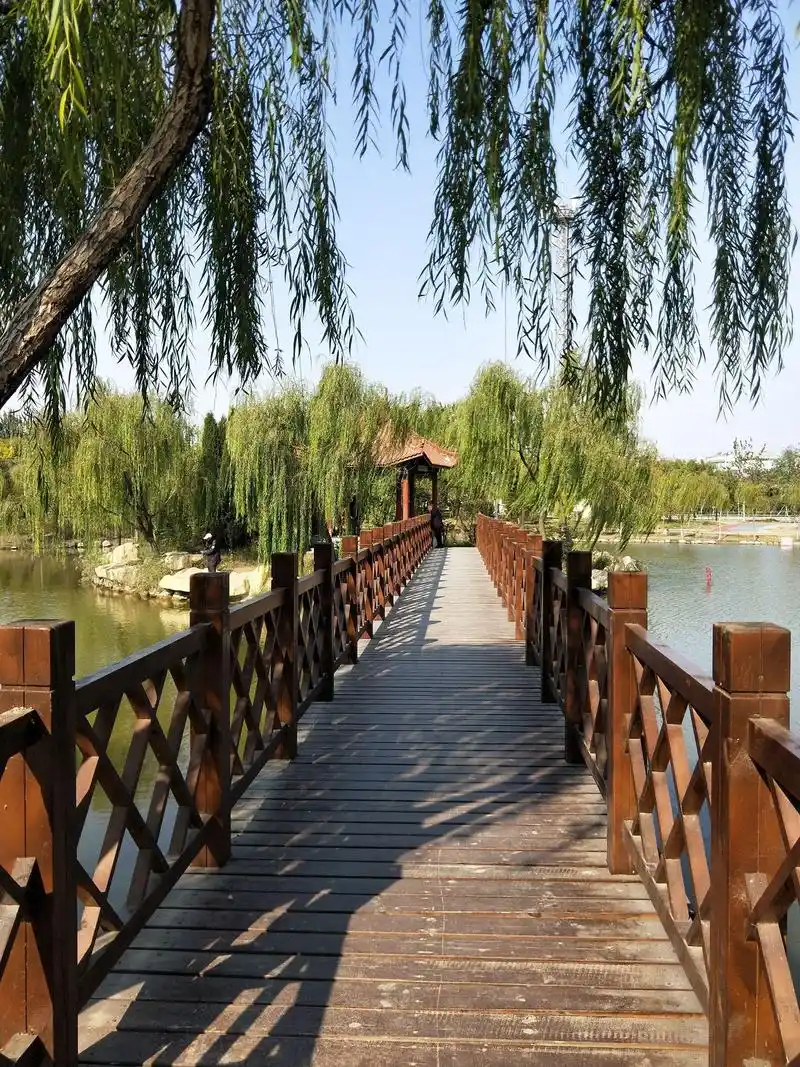
The park stretches along the carefully managed Zhao Wang River, with broad pedestrian pathways connecting vast peony plantations to seasonal flower beds and wetland zones. Spring brings carpets of purple February orchids beneath peony blossoms, while summer introduces golden coreopsis swaying beside graceful weeping willows, reminiscent of a Monet water garden translated onto the Loess Plateau's eastern edge. Shallow wetland areas shelter migratory waterbirds, creating an unexpectedly wild counterpoint to the manicured floral displays.
Beyond its scenic appeal, the park embodies Heze's urban philosophy of "revitalizing the city through flowers and nourishing it through water." It transforms the peony from a private aristocratic pleasure into a shared communal treasure, echoing how European royal gardens gradually opened to citizens during the 19th century. The site also demonstrates modern Chinese approaches to river rehabilitation, addressing ecological challenges in the lower Yellow River region where sustainable water management remains a national priority.
Visitors should plan their trip for mid-April, when the annual Heze Peony Festival reaches peak bloom. Dedicated floral shuttle buses connect the park to Heze East Railway Station, the West Bus Terminal, and the main train station, making arrival straightforward. The park is entirely free, accepts Alipay and WeChat Pay, and features bilingual Chinese-English signage throughout.
A complete visit takes three to four hours on foot, beginning at the central peony planting zone before following the ecological trail toward the lake and wetland sections. During peak spring weekends, crowds gather quickly, so arriving before 9:00 ensures a quieter experience. Visitors should respect the grounds by remaining on pathways and refraining from picking flowers, allowing future travelers to enjoy these living botanical treasures just as travelers have admired famous gardens from Suzhou to Kew for centuries.
Peonies have captivated Chinese horticulturists for over 1,500 years, and Heze has cultivated these magnificent blooms since the Tang Dynasty (618–907 CE), when imperial gardens first popularized the flower across East Asia. Like the cherished tulip fields of Holland or the rose gardens of Versailles, Heze's peony tradition represents a similar fusion of botanical artistry and regional pride. The park channels this heritage into a modern public space, reflecting China's contemporary emphasis on urban ecological restoration within the Yellow River basin, one of humanity's oldest agricultural civilizations.
The park stretches along the carefully managed Zhao Wang River, with broad pedestrian pathways connecting vast peony plantations to seasonal flower beds and wetland zones. Spring brings carpets of purple February orchids beneath peony blossoms, while summer introduces golden coreopsis swaying beside graceful weeping willows, reminiscent of a Monet water garden translated onto the Loess Plateau's eastern edge. Shallow wetland areas shelter migratory waterbirds, creating an unexpectedly wild counterpoint to the manicured floral displays.
Beyond its scenic appeal, the park embodies Heze's urban philosophy of "revitalizing the city through flowers and nourishing it through water." It transforms the peony from a private aristocratic pleasure into a shared communal treasure, echoing how European royal gardens gradually opened to citizens during the 19th century. The site also demonstrates modern Chinese approaches to river rehabilitation, addressing ecological challenges in the lower Yellow River region where sustainable water management remains a national priority.
Visitors should plan their trip for mid-April, when the annual Heze Peony Festival reaches peak bloom. Dedicated floral shuttle buses connect the park to Heze East Railway Station, the West Bus Terminal, and the main train station, making arrival straightforward. The park is entirely free, accepts Alipay and WeChat Pay, and features bilingual Chinese-English signage throughout.
A complete visit takes three to four hours on foot, beginning at the central peony planting zone before following the ecological trail toward the lake and wetland sections. During peak spring weekends, crowds gather quickly, so arriving before 9:00 ensures a quieter experience. Visitors should respect the grounds by remaining on pathways and refraining from picking flowers, allowing future travelers to enjoy these living botanical treasures just as travelers have admired famous gardens from Suzhou to Kew for centuries.