Caozhou Peony Garden
⭐ 3.00
Caozhou Peony Garden, Mudan District, Heze, Shandong Province, China
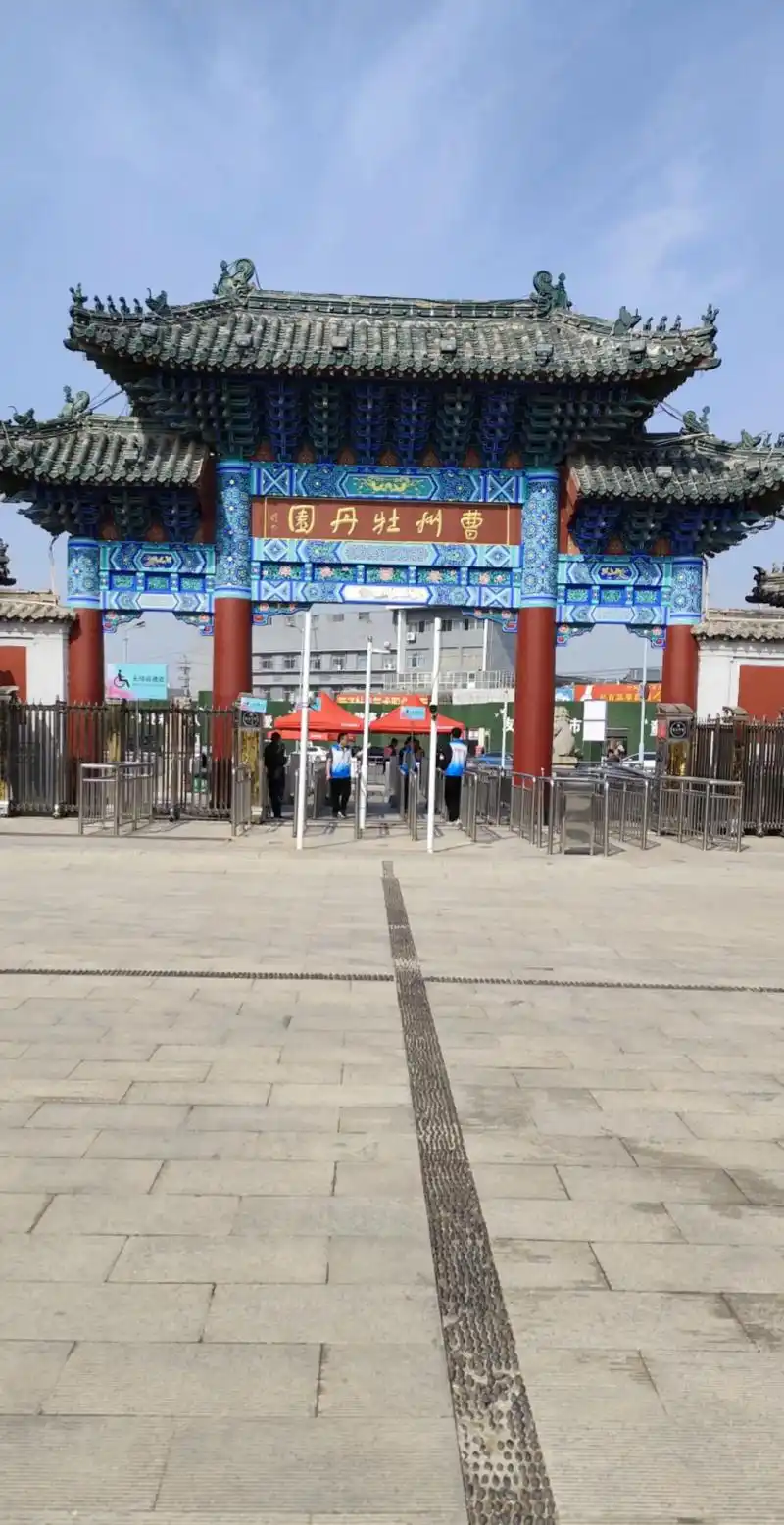 The story of Caozhou Peony Garden stretches back more than fourteen centuries, to the Sui and Tang dynasties (581–907 CE), a period contemporary with the rise of Byzantium and the early Islamic caliphates. Peony cultivation flourished further under the Ming and reached its golden age in the Qing, when the saying "Caozhou peonies outshine all under heaven" became common praise. The modern park was assembled in 2002 from several older plantings, including the historic Zhaolou and Guiling gardens, where century-old peony stock still survives. Walking among these venerable blooms feels like stepping into a living chapter of Chinese cultural history, comparable in lineage to the oldest roses of Europe's medieval cloister gardens.
Spanning about 1,600 acres, the park is organised into nine colour-themed viewing zones and ten flower-form display belts, an arrangement that gives it the visual sweep of a grand Impressionist canvas. Every famous Chinese peony is here, from the legendary "Yao Huang" buttercup-yellow to the deep-purple "Wei Zi," alongside modern cultivars bred in Japan, France, and the United States. In mid-April, when the trees bloom in unison, colour blocks ripple across the fields in waves that rival the tulip vistas of Keukenhof in the Netherlands, though on a far grander scale. Few gardens anywhere can match this combination of size, variety, and historical pedigree.
At the heart of the grounds rises the National Flower Hall, a three-storey museum and the only institution in China dedicated entirely to the peony. Its galleries trace the flower's botanical origins, its role in Chinese painting and poetry, and its spread along the Silk Road to Europe, where it eventually became a staple of Victorian gardens. Treasures on display include the ceremonial "Peony Treasure Tripod" and rare Ming-dynasty peony catalogues. Nearby, the Ancient Catalogue Zone preserves historical records of Heze varieties, while the Lake and Hill Landscape Zone borrows the reflective ponds and rockeries of Jiangnan garden design, a stylistic cousin to the classical landscapes of Suzhou.
Timing is everything here, as peonies bloom for barely half a month. Peak blossom runs from April 4 to 22, when the park layers on flower-deity parades, intangible-heritage craft markets, immersive performances, and a nighttime light show titled "Songs of Caozhou." Herbaceous peonies carry the show into early May, modestly extending the window. After July the gardens turn green and quiet, suited only to slow strolls and museum visits. Admission is tiered: around 30 yuan in early and late bloom, 60 yuan at peak, with reduced or free entry in the off-season. Foreign visitors should book via the official WeChat account with passport details.
Reaching the garden is straightforward. High-speed trains arrive at Heze East or Heze Station, from where local buses and the dedicated "Peony Line" shuttle run directly to the park. Drivers can navigate to the East Gate, the main entrance. During bloom season, advance online reservation is compulsory. Pack a windproof jacket for cool April mornings, and aim for the soft light of dawn or late afternoon if photography is the goal. For travellers without a car, the garden pairs naturally with Heze's Ming and Qing old streets and the Water Margin Heroes City, both within easy reach.
The story of Caozhou Peony Garden stretches back more than fourteen centuries, to the Sui and Tang dynasties (581–907 CE), a period contemporary with the rise of Byzantium and the early Islamic caliphates. Peony cultivation flourished further under the Ming and reached its golden age in the Qing, when the saying "Caozhou peonies outshine all under heaven" became common praise. The modern park was assembled in 2002 from several older plantings, including the historic Zhaolou and Guiling gardens, where century-old peony stock still survives. Walking among these venerable blooms feels like stepping into a living chapter of Chinese cultural history, comparable in lineage to the oldest roses of Europe's medieval cloister gardens.
Spanning about 1,600 acres, the park is organised into nine colour-themed viewing zones and ten flower-form display belts, an arrangement that gives it the visual sweep of a grand Impressionist canvas. Every famous Chinese peony is here, from the legendary "Yao Huang" buttercup-yellow to the deep-purple "Wei Zi," alongside modern cultivars bred in Japan, France, and the United States. In mid-April, when the trees bloom in unison, colour blocks ripple across the fields in waves that rival the tulip vistas of Keukenhof in the Netherlands, though on a far grander scale. Few gardens anywhere can match this combination of size, variety, and historical pedigree.
At the heart of the grounds rises the National Flower Hall, a three-storey museum and the only institution in China dedicated entirely to the peony. Its galleries trace the flower's botanical origins, its role in Chinese painting and poetry, and its spread along the Silk Road to Europe, where it eventually became a staple of Victorian gardens. Treasures on display include the ceremonial "Peony Treasure Tripod" and rare Ming-dynasty peony catalogues. Nearby, the Ancient Catalogue Zone preserves historical records of Heze varieties, while the Lake and Hill Landscape Zone borrows the reflective ponds and rockeries of Jiangnan garden design, a stylistic cousin to the classical landscapes of Suzhou.
Timing is everything here, as peonies bloom for barely half a month. Peak blossom runs from April 4 to 22, when the park layers on flower-deity parades, intangible-heritage craft markets, immersive performances, and a nighttime light show titled "Songs of Caozhou." Herbaceous peonies carry the show into early May, modestly extending the window. After July the gardens turn green and quiet, suited only to slow strolls and museum visits. Admission is tiered: around 30 yuan in early and late bloom, 60 yuan at peak, with reduced or free entry in the off-season. Foreign visitors should book via the official WeChat account with passport details.
Reaching the garden is straightforward. High-speed trains arrive at Heze East or Heze Station, from where local buses and the dedicated "Peony Line" shuttle run directly to the park. Drivers can navigate to the East Gate, the main entrance. During bloom season, advance online reservation is compulsory. Pack a windproof jacket for cool April mornings, and aim for the soft light of dawn or late afternoon if photography is the goal. For travellers without a car, the garden pairs naturally with Heze's Ming and Qing old streets and the Water Margin Heroes City, both within easy reach.