Western Qing Tombs
⭐ 4.60
Western Qing Tombs Scenic Area, Yi County, Baoding City, Hebei Province, China
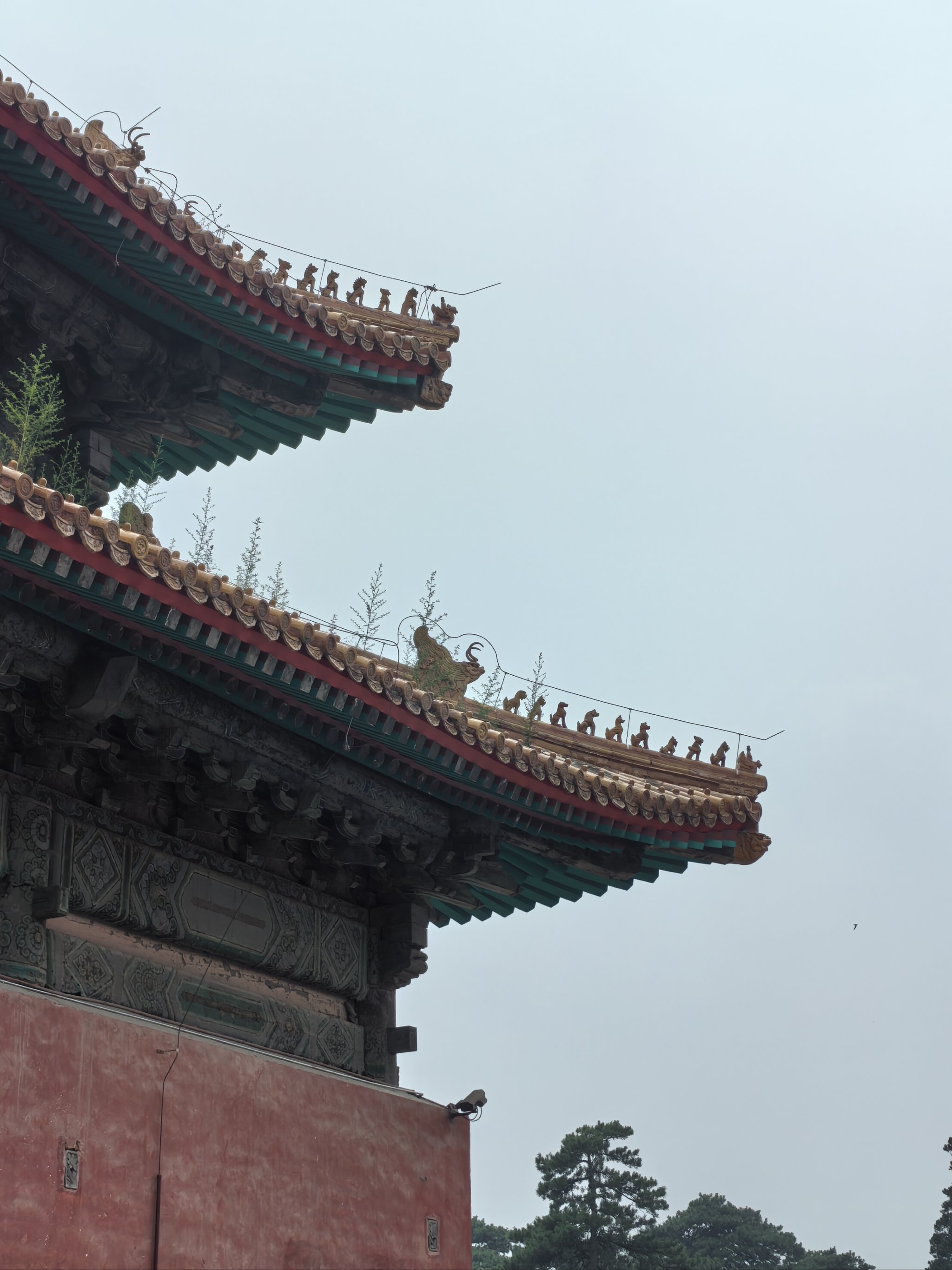 **A Royal Necropolis of Grandeur**
Begun in 1730 and completed in 1915, the Western Qing Tombs served as the final resting place for four Qing emperors, nine empresses, fifty-seven concubines, and numerous princes and princesses—80 individuals in total. Together with the Eastern Qing Tombs, this is one of two imperial burial complexes the Qing built south of the Great Wall, predating the dynasty's fall by only seven years. Comparable in scale and ambition to France's Basilica of Saint-Denis or Germany's Potsdam royal mausoleums, the site offers an unrivaled window into China's last imperial dynasty from its zenith to its twilight.
**Monumental Architecture Across Eras**
Covering roughly 83 square kilometers, the necropolis showcases the evolution of Qing tomb design over nearly 200 years. The Tai Tomb of Yongzheng boasts the world's largest single-span "pin-shaped" stone archway, a 2.5-kilometer spirit way lined with stone guardian figures reminiscent of those flanking ancient Roman triumphal roads. The Chong Tomb, final resting place of Emperor Guangxu, features a rare "bronze beams and iron pillars" underground palace—the only imperial tomb open to the public. Nearby, the Mu Tomb dazzles with intricately carved dragons across golden nanmu wood, left unpainted to let the aromatic timber shine.
**Echoes, Mysteries, and Sacred Forests**
Among the site's acoustic marvels, the Chang Tomb's echo wall produces sound effects on par with London's St. Paul's Cathedral whispering gallery—a masterpiece of pre-modern Chinese engineering. The excavated Chong Tomb displays clues to the controversial circumstances of Guangxu's death, while the Yongfu Temple reflects the Qing court's remarkable religious pluralism, fusing Manchu, Mongol, and Han Buddhist traditions. More than 15,000 century-old pines—among the largest planted pine forests in northern China—create a solemn atmosphere of red walls, golden tiles, and evergreen silence.
**Planning Your Visit**
The site operates 8:00–17:30 in peak season (April 1–October 31) and 8:30–17:00 in low season. Combined tickets cost 108 yuan in summer and 80 yuan in winter, valid for two days' single entry. Because the tombs are widely scattered, visitors must transfer to mandatory shuttle buses (25 yuan) at the central service area—private vehicles cannot travel between sites. Hiring an official guide (200–300 yuan for a full circuit) is highly recommended to decode the rich symbolic language of imperial funerary architecture.
**Why the Western Qing Tombs Deserve Your Time**
Few sites worldwide combine such an intact historical record with stunning natural surroundings. Whether tracing the dynastic story of imperial China's twilight, marveling at engineering wonders like the underground palace, or simply photographing crimson walls framed by ancient pines, visitors find an experience both intellectually rewarding and visually sublime. Less crowded than Beijing's Forbidden City yet equally significant, the Western Qing Tombs reward travelers seeking depth beyond China's most famous landmarks.
**A Royal Necropolis of Grandeur**
Begun in 1730 and completed in 1915, the Western Qing Tombs served as the final resting place for four Qing emperors, nine empresses, fifty-seven concubines, and numerous princes and princesses—80 individuals in total. Together with the Eastern Qing Tombs, this is one of two imperial burial complexes the Qing built south of the Great Wall, predating the dynasty's fall by only seven years. Comparable in scale and ambition to France's Basilica of Saint-Denis or Germany's Potsdam royal mausoleums, the site offers an unrivaled window into China's last imperial dynasty from its zenith to its twilight.
**Monumental Architecture Across Eras**
Covering roughly 83 square kilometers, the necropolis showcases the evolution of Qing tomb design over nearly 200 years. The Tai Tomb of Yongzheng boasts the world's largest single-span "pin-shaped" stone archway, a 2.5-kilometer spirit way lined with stone guardian figures reminiscent of those flanking ancient Roman triumphal roads. The Chong Tomb, final resting place of Emperor Guangxu, features a rare "bronze beams and iron pillars" underground palace—the only imperial tomb open to the public. Nearby, the Mu Tomb dazzles with intricately carved dragons across golden nanmu wood, left unpainted to let the aromatic timber shine.
**Echoes, Mysteries, and Sacred Forests**
Among the site's acoustic marvels, the Chang Tomb's echo wall produces sound effects on par with London's St. Paul's Cathedral whispering gallery—a masterpiece of pre-modern Chinese engineering. The excavated Chong Tomb displays clues to the controversial circumstances of Guangxu's death, while the Yongfu Temple reflects the Qing court's remarkable religious pluralism, fusing Manchu, Mongol, and Han Buddhist traditions. More than 15,000 century-old pines—among the largest planted pine forests in northern China—create a solemn atmosphere of red walls, golden tiles, and evergreen silence.
**Planning Your Visit**
The site operates 8:00–17:30 in peak season (April 1–October 31) and 8:30–17:00 in low season. Combined tickets cost 108 yuan in summer and 80 yuan in winter, valid for two days' single entry. Because the tombs are widely scattered, visitors must transfer to mandatory shuttle buses (25 yuan) at the central service area—private vehicles cannot travel between sites. Hiring an official guide (200–300 yuan for a full circuit) is highly recommended to decode the rich symbolic language of imperial funerary architecture.
**Why the Western Qing Tombs Deserve Your Time**
Few sites worldwide combine such an intact historical record with stunning natural surroundings. Whether tracing the dynastic story of imperial China's twilight, marveling at engineering wonders like the underground palace, or simply photographing crimson walls framed by ancient pines, visitors find an experience both intellectually rewarding and visually sublime. Less crowded than Beijing's Forbidden City yet equally significant, the Western Qing Tombs reward travelers seeking depth beyond China's most famous landmarks.