Jingchu Culture Museum
⭐ 4.00
Jingchu Culture Museum, Jingzhou District, Jingzhou City, Hubei Province, China
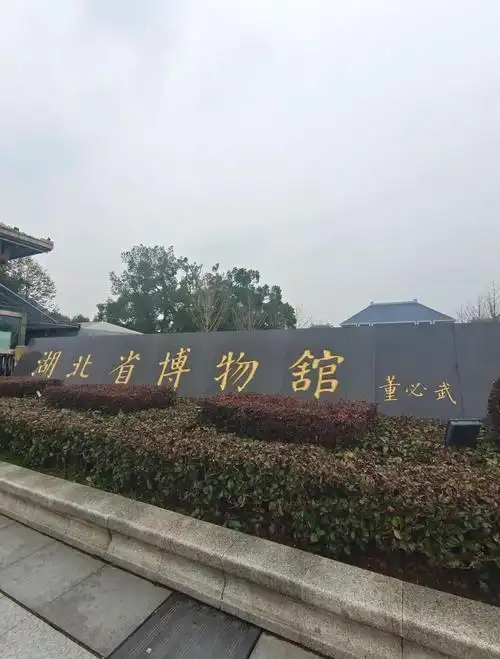 Jingzhou Museum was established in 1958 and stands on ground steeped in antiquity—its site lies near the ruins of Jinan, the former Chu capital that flourished roughly contemporary with classical Athens and the early Roman Republic. The museum safeguards the most comprehensive holdings of Chu Kingdom (circa 1030–223 BCE) material culture outside Hubei's provincial collections, offering visitors a window onto a sophisticated civilization that rivaled the Hellenistic world in artistic refinement. Its archaeology-driven collection spans bronzes, lacquered wood, silk textiles, jade, and inscribed bamboo slips, many excavated from nearby tombs and comparable in significance to the treasures held in Britain's British Museum's early Chinese galleries or the Metropolitan Museum's Asian wing.
The modern main building harmonizes with the surrounding ancient city walls and traditional rooftops, while interior galleries follow a chronological-thematic flow. Permanent exhibitions include the Chu Culture Hall, the Bamboo and Silk Manuscript Gallery—featuring rare written records that predate paper by centuries—and the Lacquered Woodcraft Gallery, displaying objects of craftsmanship rivaling the finest Roman decorative arts of the same era. Guided tours in Mandarin and English, plus multilingual audio guides and AI-assisted interpretation, help visitors decode the political, military, artistic, and domestic dimensions of Chu life. The museum regularly hosts live performances of reconstructed Chu music and offers cultural creative products, enriching the visit beyond static display.
Three objects are universally regarded as the museum's crown jewels: the dramatic Tiger-Seat Bird-Frame Drum, a lacquered musical instrument depicting twin tigers supporting phoenixes—a uniquely Chu artistic statement; a remarkably intact Western Han dynasty "wet corpse" preserved in tomb fluids, akin in historical importance to Egypt's better-known mummies; and the silk embroideries from the Mashan Chu tomb, whose vivid threads have survived over 2,000 years. Adding further distinction, the locally unearthed Sword of Goujian—one of the finest bronze swords ever forged—exemplifies metallurgical skill comparable to the famed Roman gladius of later centuries. Together these pieces reward any visitor with an interest in ancient world civilizations.
Practical planning is straightforward. Admission is free, but reservations via the official WeChat account or website are required. Opening hours run Tuesday through Sunday, 9:00 to 17:00, with Monday closures. Allow two to three hours for a thorough visit, focusing on the three treasures and the manuscript gallery. Flash photography and tripods are prohibited throughout, and some sensitive areas ban cameras entirely. English signage, audio guides, and pre-booked English-language tours make the museum genuinely accessible to international visitors. Comfortable shoes are recommended, as the nearby ancient city walls and Binyang Tower—offering panoramic views comparable to those from Dubrovnik's ramparts or Carcassonne's medieval fortifications—are easily combined into a half-day cultural itinerary.
Getting there is convenient: public buses serve the nearby "Five Hospital" stop, and a free parking lot accommodates self-driving travelers. After touring, sampling local specialties such as Jingzhou fish cake (a steamed delicacy unique to the Yangtze wetlands) and lotus root soup in nearby family-run restaurants provides a fitting culinary coda. A new, expanded Jingchu Culture Museum building is scheduled to open by the end of 2026, promising immersive digital displays and an enlarged display area—worth monitoring for future visits. For travelers tracing the lesser-known classical civilizations of the ancient world, beyond the more familiar Greek and Roman routes, Jingzhou Museum offers an extraordinarily rich and uncrowded encounter with bronze-age China.
Jingzhou Museum was established in 1958 and stands on ground steeped in antiquity—its site lies near the ruins of Jinan, the former Chu capital that flourished roughly contemporary with classical Athens and the early Roman Republic. The museum safeguards the most comprehensive holdings of Chu Kingdom (circa 1030–223 BCE) material culture outside Hubei's provincial collections, offering visitors a window onto a sophisticated civilization that rivaled the Hellenistic world in artistic refinement. Its archaeology-driven collection spans bronzes, lacquered wood, silk textiles, jade, and inscribed bamboo slips, many excavated from nearby tombs and comparable in significance to the treasures held in Britain's British Museum's early Chinese galleries or the Metropolitan Museum's Asian wing.
The modern main building harmonizes with the surrounding ancient city walls and traditional rooftops, while interior galleries follow a chronological-thematic flow. Permanent exhibitions include the Chu Culture Hall, the Bamboo and Silk Manuscript Gallery—featuring rare written records that predate paper by centuries—and the Lacquered Woodcraft Gallery, displaying objects of craftsmanship rivaling the finest Roman decorative arts of the same era. Guided tours in Mandarin and English, plus multilingual audio guides and AI-assisted interpretation, help visitors decode the political, military, artistic, and domestic dimensions of Chu life. The museum regularly hosts live performances of reconstructed Chu music and offers cultural creative products, enriching the visit beyond static display.
Three objects are universally regarded as the museum's crown jewels: the dramatic Tiger-Seat Bird-Frame Drum, a lacquered musical instrument depicting twin tigers supporting phoenixes—a uniquely Chu artistic statement; a remarkably intact Western Han dynasty "wet corpse" preserved in tomb fluids, akin in historical importance to Egypt's better-known mummies; and the silk embroideries from the Mashan Chu tomb, whose vivid threads have survived over 2,000 years. Adding further distinction, the locally unearthed Sword of Goujian—one of the finest bronze swords ever forged—exemplifies metallurgical skill comparable to the famed Roman gladius of later centuries. Together these pieces reward any visitor with an interest in ancient world civilizations.
Practical planning is straightforward. Admission is free, but reservations via the official WeChat account or website are required. Opening hours run Tuesday through Sunday, 9:00 to 17:00, with Monday closures. Allow two to three hours for a thorough visit, focusing on the three treasures and the manuscript gallery. Flash photography and tripods are prohibited throughout, and some sensitive areas ban cameras entirely. English signage, audio guides, and pre-booked English-language tours make the museum genuinely accessible to international visitors. Comfortable shoes are recommended, as the nearby ancient city walls and Binyang Tower—offering panoramic views comparable to those from Dubrovnik's ramparts or Carcassonne's medieval fortifications—are easily combined into a half-day cultural itinerary.
Getting there is convenient: public buses serve the nearby "Five Hospital" stop, and a free parking lot accommodates self-driving travelers. After touring, sampling local specialties such as Jingzhou fish cake (a steamed delicacy unique to the Yangtze wetlands) and lotus root soup in nearby family-run restaurants provides a fitting culinary coda. A new, expanded Jingchu Culture Museum building is scheduled to open by the end of 2026, promising immersive digital displays and an enlarged display area—worth monitoring for future visits. For travelers tracing the lesser-known classical civilizations of the ancient world, beyond the more familiar Greek and Roman routes, Jingzhou Museum offers an extraordinarily rich and uncrowded encounter with bronze-age China.