Wuhu Grand Theatre
⭐ 3.20
Lugang Section, Binjiang Park, Jinghu District, Wuhu City, Anhui Province, China
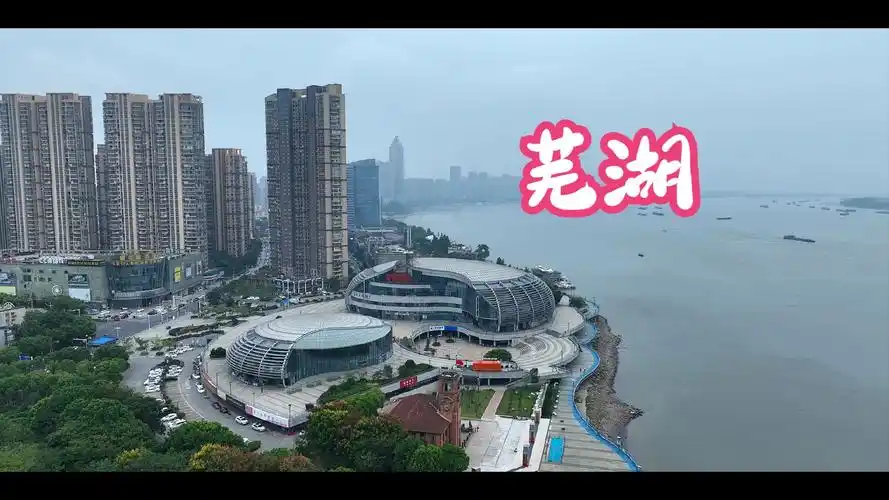 Rising from the site of the historic No. 8 Wharf, Wuhu Grand Theatre occupies a privileged position along the Yangtze River, a waterway that has shaped Chinese civilization for millennia much as the Danube shaped Central Europe. This stretch was once a vital treaty port during the late Qing Dynasty, when foreign trade transformed Wuhu into one of China's earliest open commercial hubs. Today, the theatre engages in silent dialogue with the colonial-era former Customs House across the river and the historic Zhongjiang Pagoda, creating an urban cultural corridor where nineteenth-century trading history meets twenty-first-century architecture—reminiscent of London's South Bank, where Victorian warehouses coexist with the modern Festival Hall.
The building's sculptural shell form draws inspiration from the flowing rhythms of the Yangtze, its curved surfaces catching and reflecting river light much as Sydney's Opera House captures harbor breezes in shimmering white tile. Spanning four above-ground floors plus a basement level, the structure encompasses roughly 12,000 to 15,000 square meters. Floor-to-ceiling glass curtain walls dissolve the boundary between interior and waterfront, allowing the entire edifice to glow like a translucent sculpture against the river. Whether viewed from across the water or up close, it has rapidly become the most recognizable feature of Wuhu's evolving skyline.
At the heart of the complex lies a 1,200-seat main auditorium equipped with a sophisticated tiered adjustable stage system and top-tier acoustics and lighting. The theatre serves a dual mission, functioning both as a professional performance venue and a public cultural space. Beyond hosting productions, it accommodates conferences, temporary exhibitions, and showcases of intangible cultural heritage, with certain public areas open free to local residents. Regular programming ranges from Huangmei Opera—one of China's most beloved regional operatic traditions—to contemporary drama, symphony concerts, and even popular Xiangsheng (crosstalk) performances by troupes like De Yun Society.
Located in Jinghu District along the Yangtze River waterfront park, the theatre is easily reached by public transit or taxi from central Wuhu, roughly an hour by high-speed rail from Nanjing or Hefei. Visitors planning to attend a performance should consult the official website or ticketing platforms for current listings, as shows vary seasonally with tickets typically ranging from 80 to 500 RMB. The surrounding riverside park offers pleasant walking areas, while nearby attractions include the historic Zhongjiang Pagoda and the former Customs House, easily combined into a half-day cultural itinerary.
For travelers seeking an authentic encounter with contemporary Chinese cultural life beyond the well-trodden paths of Beijing and Shanghai, Wuhu Grand Theatre offers a refreshing window. It is a place where provincial artistry meets metropolitan ambition, where visitors can experience everything from traditional Huangmei Opera to cutting-edge experimental theater in a single weekend. Combined with its picturesque Yangtze setting and proximity to Wuhu's other heritage sites, the theatre rewards those curious about the new wave of cultural investment quietly reshaping China's mid-sized cities.
Rising from the site of the historic No. 8 Wharf, Wuhu Grand Theatre occupies a privileged position along the Yangtze River, a waterway that has shaped Chinese civilization for millennia much as the Danube shaped Central Europe. This stretch was once a vital treaty port during the late Qing Dynasty, when foreign trade transformed Wuhu into one of China's earliest open commercial hubs. Today, the theatre engages in silent dialogue with the colonial-era former Customs House across the river and the historic Zhongjiang Pagoda, creating an urban cultural corridor where nineteenth-century trading history meets twenty-first-century architecture—reminiscent of London's South Bank, where Victorian warehouses coexist with the modern Festival Hall.
The building's sculptural shell form draws inspiration from the flowing rhythms of the Yangtze, its curved surfaces catching and reflecting river light much as Sydney's Opera House captures harbor breezes in shimmering white tile. Spanning four above-ground floors plus a basement level, the structure encompasses roughly 12,000 to 15,000 square meters. Floor-to-ceiling glass curtain walls dissolve the boundary between interior and waterfront, allowing the entire edifice to glow like a translucent sculpture against the river. Whether viewed from across the water or up close, it has rapidly become the most recognizable feature of Wuhu's evolving skyline.
At the heart of the complex lies a 1,200-seat main auditorium equipped with a sophisticated tiered adjustable stage system and top-tier acoustics and lighting. The theatre serves a dual mission, functioning both as a professional performance venue and a public cultural space. Beyond hosting productions, it accommodates conferences, temporary exhibitions, and showcases of intangible cultural heritage, with certain public areas open free to local residents. Regular programming ranges from Huangmei Opera—one of China's most beloved regional operatic traditions—to contemporary drama, symphony concerts, and even popular Xiangsheng (crosstalk) performances by troupes like De Yun Society.
Located in Jinghu District along the Yangtze River waterfront park, the theatre is easily reached by public transit or taxi from central Wuhu, roughly an hour by high-speed rail from Nanjing or Hefei. Visitors planning to attend a performance should consult the official website or ticketing platforms for current listings, as shows vary seasonally with tickets typically ranging from 80 to 500 RMB. The surrounding riverside park offers pleasant walking areas, while nearby attractions include the historic Zhongjiang Pagoda and the former Customs House, easily combined into a half-day cultural itinerary.
For travelers seeking an authentic encounter with contemporary Chinese cultural life beyond the well-trodden paths of Beijing and Shanghai, Wuhu Grand Theatre offers a refreshing window. It is a place where provincial artistry meets metropolitan ambition, where visitors can experience everything from traditional Huangmei Opera to cutting-edge experimental theater in a single weekend. Combined with its picturesque Yangtze setting and proximity to Wuhu's other heritage sites, the theatre rewards those curious about the new wave of cultural investment quietly reshaping China's mid-sized cities.